Ron Howard’s Avedon documentary premieres at Cannes special screening
Ron Howard’s Avedon film landed at Cannes, putting Richard Avedon’s portraits, fashion work, and stripped-back style back in front of a global crowd.
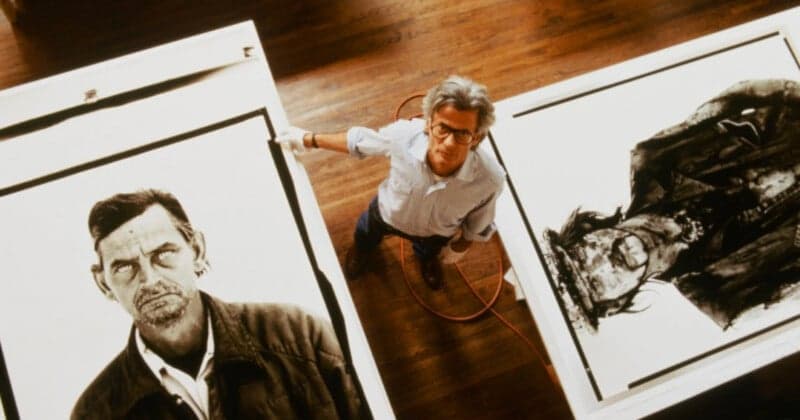
Ron Howard’s documentary about Richard Avedon got a special screening at Cannes, and that placement did more than give the project a splashy launch. It put one of photography’s most influential image-makers back into the center of a conversation that still shapes how portraits are shot, edited, and read.
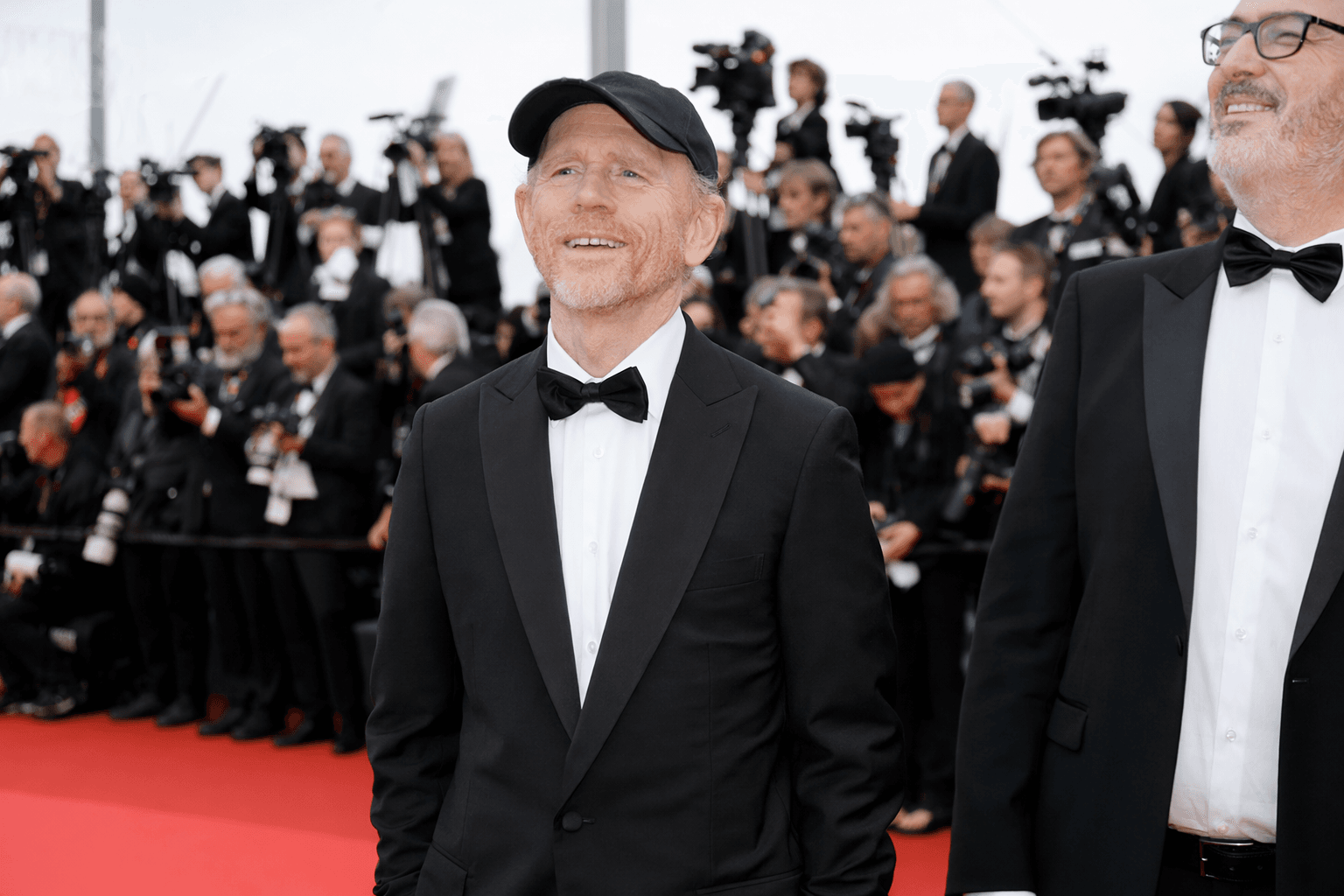
The film, AVEDON, screened in the 2026 Official Selection at the 79th Cannes Film Festival, which began on May 12 and ran for 12 days on the French Riviera. Cannes remains one of the most visible cultural stages in the world, so a slot there signals that Avedon’s legacy is being treated as something larger than photography niche lore. Produced by Imagine Documentaries, the film focuses on the life and influence of the photographer whose work defined fashion and portrait photography across decades.
That matters because Avedon was never just a name in a history book. His images helped shape American ideas of style, beauty, and culture before his death in 2004, and that influence still shows up every time a photographer strips a portrait down to a plain background, pushes for a more confrontational expression, or treats clothing as character instead of decoration. His minimalism was never empty space for its own sake. It was a way to force attention onto the subject, the pose, and the psychology sitting just under the surface.
For photographers who build portraits in studios, bedrooms, or improvised corners with one light and a reflector, Avedon still feels current because so much of modern portrait work borrows from his playbook without always naming it. The clean frame, the controlled gesture, the idea that fashion can reveal personality rather than mask it, all of that runs straight through contemporary editorial and hobbyist portrait shooting. Avedon’s method also translates well to the way photographers think about sequencing and presentation now: a strong face, a simple setup, and enough tension in the frame to make the subject feel lived-in rather than posed.
A documentary like AVEDON can do what an exhibition wall text often cannot. It can pull archival images, context, and visual memory into a form that reaches beyond dedicated photography circles. Cannes gave Howard’s film that kind of megaphone, and it gave Avedon’s work another chance to remind photographers why his portraits still matter: they are spare, restless, and still teach the same lesson about seeing people clearly.
This article was produced by Prism’s automated news system from verified source data, official records, and press releases, then run through automated quality and moderation checks before publishing. The system is built and supervised by the people who set the standards it runs under. Read our full AI policy.
Did this article answer your question?