Second View Turns iPhone Into a Film Photographer’s Field Assistant
Second View packs meter, distance, and parallax tools into one iPhone app, making older film cameras far easier to use in the field.
A smarter iPhone companion for film shooting
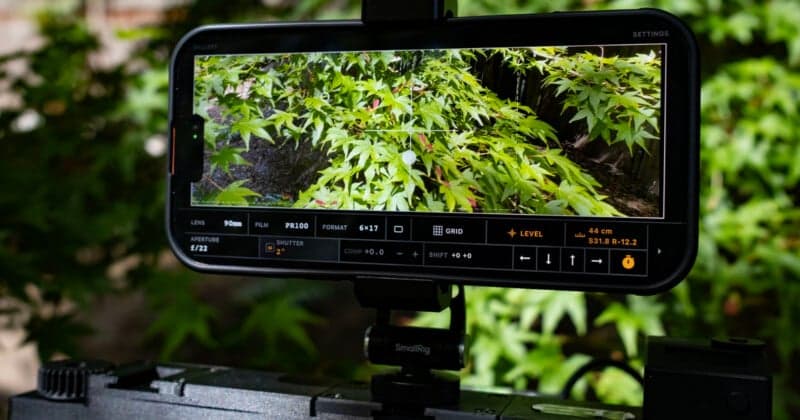
Second View is the kind of app that makes the analog revival feel practical instead of nostalgic. Built by photographer Benoit Linard, it turns an iPhone into a field assistant for film shooters, combining a light meter, exposure timer, LiDAR-based distance scale, parallax correction, rise-and-shift simulation, and reciprocity compensation in one place.
That mix matters because it tackles the exact friction points that slow film work down. Instead of juggling a separate meter, a ruler, a notebook, and a correction chart, you can keep the essentials inside a single device that already lives in your pocket.
What Second View actually replaces
The strongest case for Second View is how many small tools it consolidates. Film photography often depends on a patchwork of accessories and mental math, especially once you move beyond straightforward point-and-shoot shooting. Second View folds those jobs into one app, which gives older cameras and more demanding formats a much easier workflow.
- Light metering for setting exposure
- An exposure timer for longer work
- LiDAR-based distance measurement
- Parallax correction
- Rise-and-shift simulation
- Reciprocity compensation for a large range of film stocks
Its feature set is unusually specific:
That last point is especially useful. The app supports 60 film stocks and can automatically correct exposures longer than one second, which makes it relevant not just for casual roll-film shooting but also for scenes that require longer, more deliberate exposures. If you regularly shoot in dim interiors, night scenes, or controlled setups, that automatic correction removes a common source of error.
Why this feels built for real cameras, not just retro style
Second View did not begin as a polished consumer gimmick. Linard says it started as a side tool for his 3D-printed camera project, where he needed a way to simulate shift movements on a phone before bringing out the hardware. That origin tells you a lot about the app’s priorities: it was shaped by actual camera behavior and actual field use, not by a vague desire to make film photography look cool on a screen.
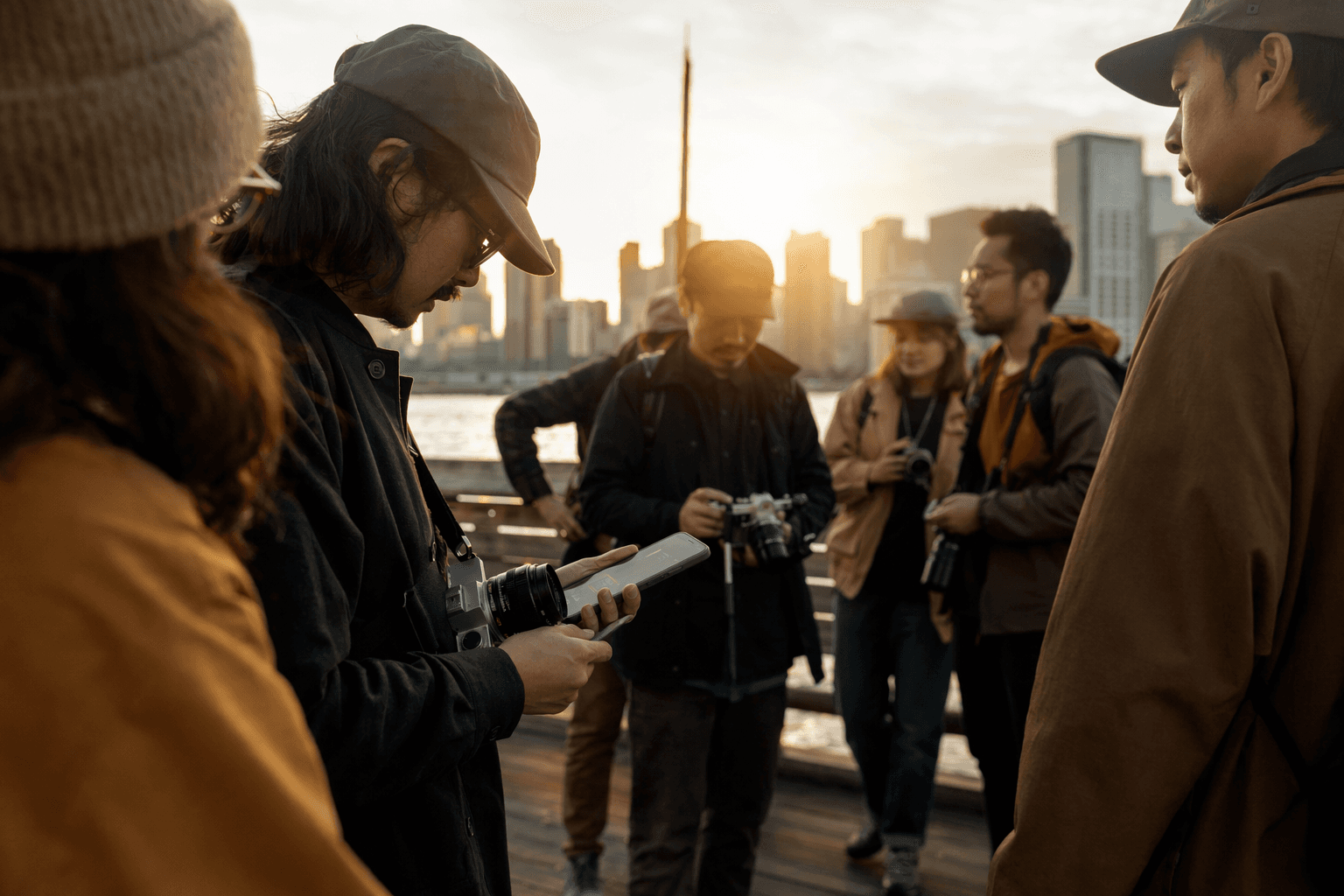
Over time, beta testers pushed it toward a fuller toolkit. That evolution is important because it helps explain why the app feels tailored to real shooting problems. The result is not a novelty filter over analog culture, but software that solves the practical headache of using cameras that ask more from the photographer.
Who benefits most from it
Second View should be especially appealing to three groups.
First are rangefinder users. Rangefinders reward speed and precision, but they can become awkward when your camera lacks a built-in meter or when you need a quick distance check in changing light. The app’s distance scale and parallax correction make those old-camera limitations less of a barrier, which is exactly where digital support earns its keep.
Second are film newcomers. If you are still learning how exposure, focus distance, and reciprocity failure interact, Second View shortens the learning curve without removing the discipline that makes film satisfying. It gives you a cleaner way to verify what you are doing before you commit a frame.
Third are photographers trying to simplify their kit. If you want to travel light or reduce the number of dedicated gadgets in your bag, the app acts like a compact replacement for several separate accessories. That is especially valuable when you are working quickly and do not want to pause to dig through gear every time the light shifts.
Why the app matters for older and unconventional cameras
The broader value of Second View is how well it fits older cameras, especially those that were designed for a more hands-on era. Cameras without built-in meters can be wonderful to use, but they ask the photographer to supply more of the technical support. Second View helps bridge that gap without changing the character of the camera itself.
It also feels relevant for large-format and panoramic shooting, where precision matters and the camera often gives you fewer conveniences than a modern 35mm body. PetaPixel notes that the app first surfaced through Exposing Engineering, which was pairing it with a new VZ-6617 panoramic camera that lacks its own viewfinder, rangefinder, or meter. In that context, the app is not just useful, it becomes almost essential.
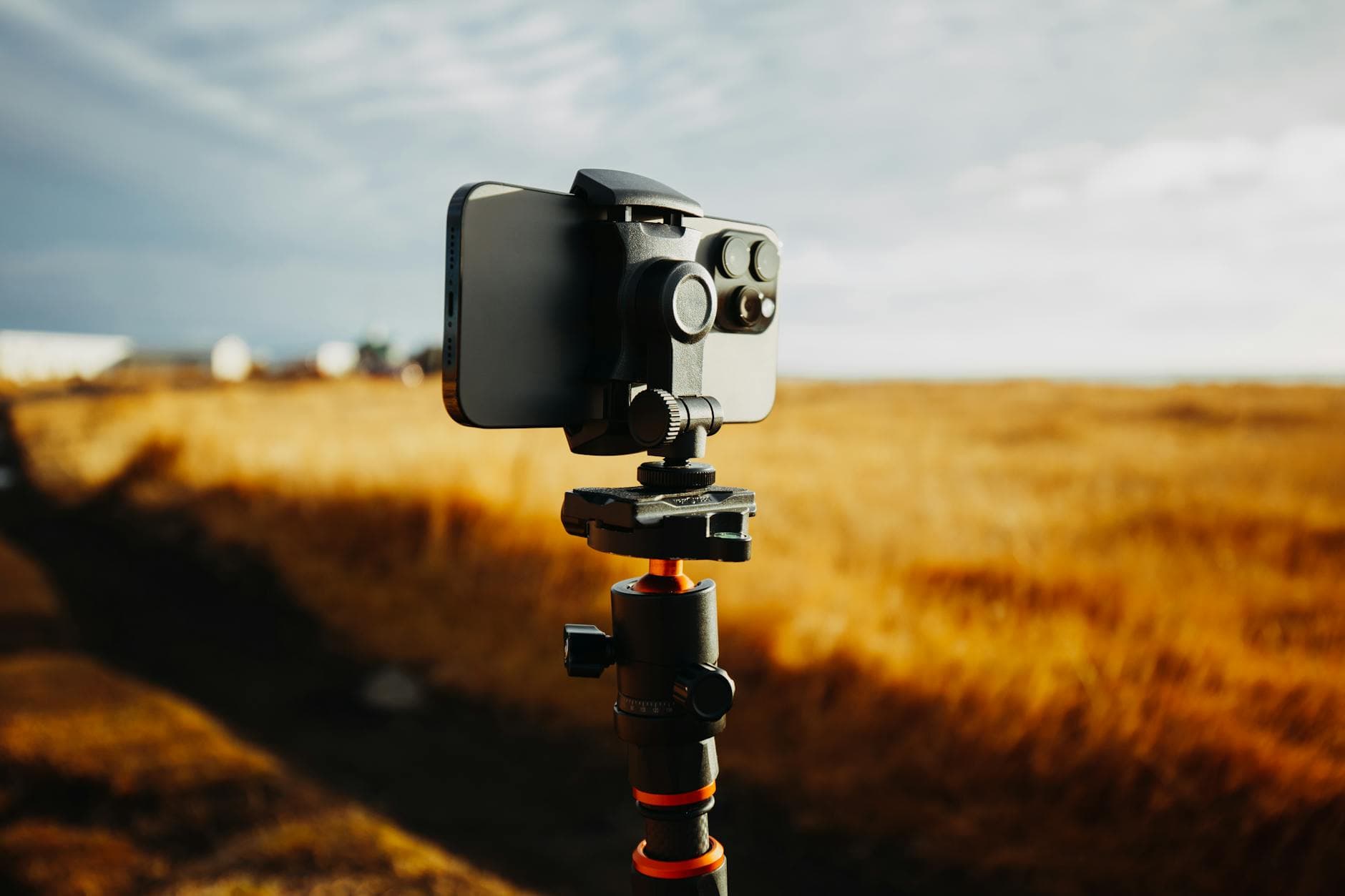
That pairing shows where analog gear is heading. Instead of trying to rebuild every convenience into the camera body, makers are increasingly leaning on software to handle the calculations and corrections that make unusual cameras usable in the field. For photographers, that means more experimental hardware can enter real-world circulation without becoming too cumbersome to shoot.
How to think about Second View in the field
The best way to understand Second View is as a bridge between deliberate shooting and modern convenience. It keeps the tactile rhythm of film intact, but it trims away the friction that often makes older systems feel slower than they need to be.
A practical workflow would look something like this: 1. Use the app to measure light before the shot. 2. Check distance with the LiDAR-based scale. 3. Account for parallax and any rise-and-shift movement. 4. Let the app handle reciprocity compensation when exposures stretch longer than one second. 5. Commit the frame with fewer guesswork steps in between.
That kind of workflow is exactly why the app stands out. It does not try to replace the camera experience. It removes the chores that keep the camera from being enjoyable.
A useful sign of where analog is going
Second View is a strong reminder that the analog boom is producing more than retro packaging and nostalgia-driven accessories. It is also generating genuinely useful digital support tools that make older equipment easier to use, more flexible, and more approachable.
That is the real story here. A phone app built by Benoit Linard now helps film photographers meter, focus, correct, and calculate with far less baggage. For anyone who loves older cameras but wants to shoot them with less friction, Second View makes the analog process feel sturdier, faster, and much more usable in the field.
This article was produced by Prism’s automated news system from verified source data, official records, and press releases, then run through automated quality and moderation checks before publishing. The system is built and supervised by the people who set the standards it runs under. Read our full AI policy.
Did this article answer your question?