Seven photography and filmmaking books shortlisted for Kraszna-Krausz awards
Seven shortlisted books turn this awards list into a practical photobook buying guide. The best picks are the ones that teach sequencing, archive work, and visual storytelling.
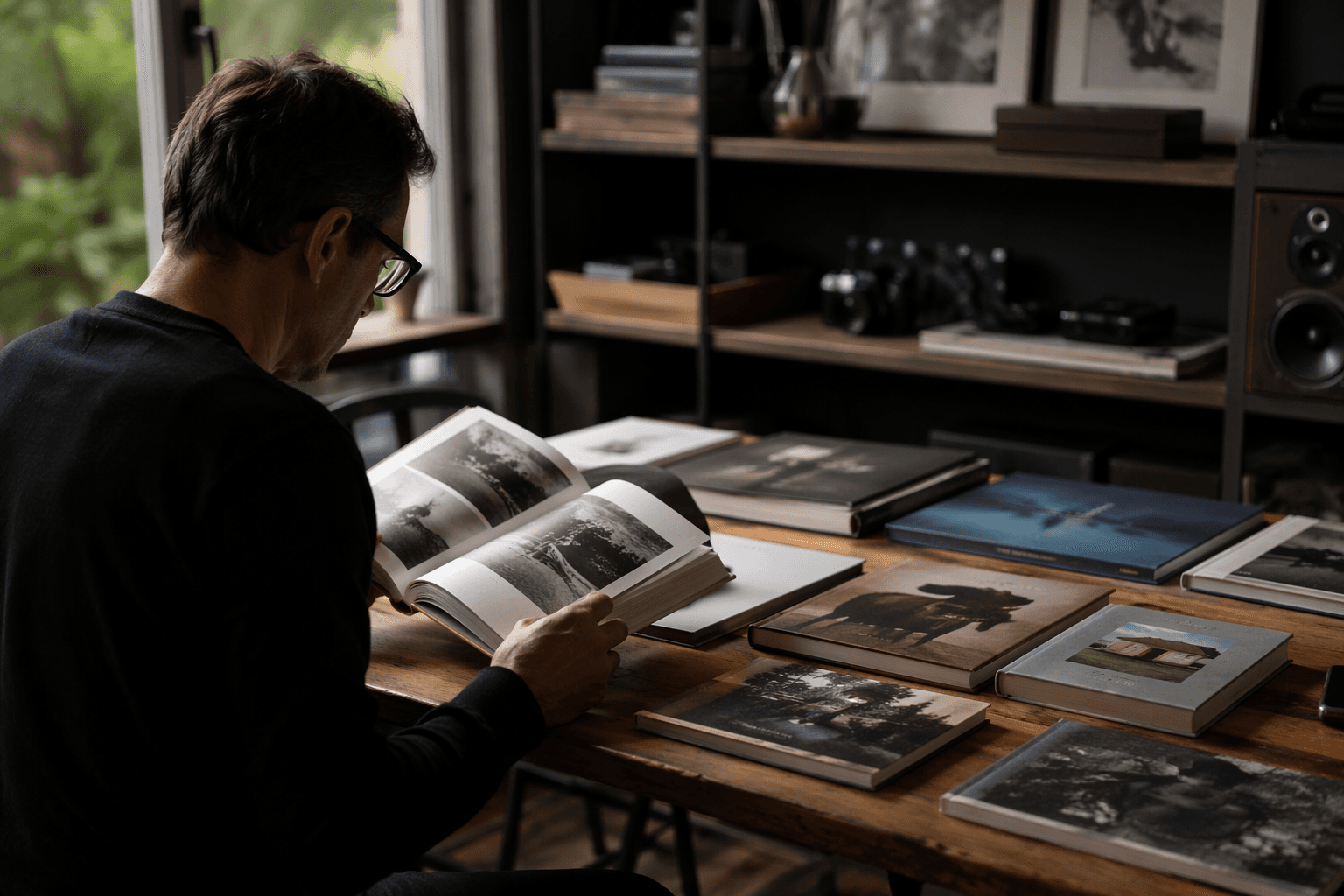
The interesting thing about this shortlist is not the prize chatter, it is how useful the books look on a working photographer’s shelf. The Kraszna-Krausz Foundation says the 2026 field was narrowed from hundreds of submissions to seven shortlisted publications, split between photography and moving image, with the winners due later in June and a £10,000 prize fund shared across the two categories. The mix points straight at the themes that keep showing up in serious photobook publishing right now: archives, authorship, authenticity, race, representation, identity, sexuality, and the afterlife of the past.
The Fold
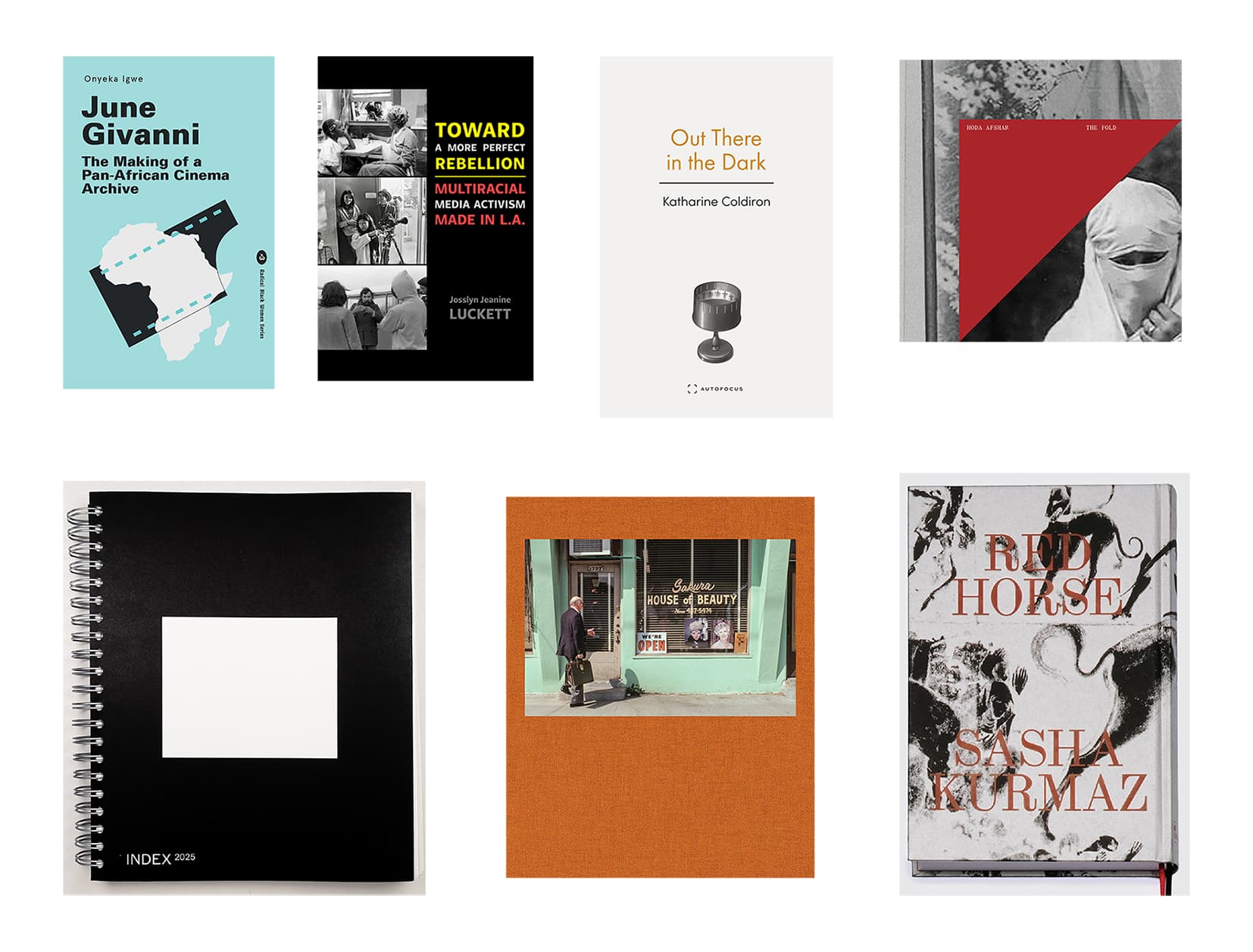
Hoda Afshar’s The Fold is the kind of photobook that earns its place because it teaches you how to read images as arguments, not just pictures. Drawing on the archive of Gaëtan Gatian de Clérambault and his photographs of veiled subjects, Afshar uses cropping, fragmentation, and repetition to push back against colonial seeing and the old habit of flattening women into “the other.” If you care about archive-based work, this is the book to buy, study, and then go back through a second time with a pencil in hand.
Too Many Products Too Much Pressure
Janet Delaney’s Too Many Products Too Much Pressure has the opposite mood, and that is exactly why it works. The book follows her father through his final week as a beauty-product salesman, folds in transcripts of conversations with his customers, and uses Delaney’s own text alongside her mother’s to build a portrait of work, routine, and quiet community that never tips into sentimentality. If you want a photobook that shows how to turn an ordinary life into a tight, readable sequence, this is the one that does the job without overcooking it.
Red Horse
Sasha Kurmaz’s Red Horse is the rawest book in the set, and that is its strength. The work documents life in Ukraine after the 2022 Russian invasion, with the book framing war not as a backdrop but as a force that keeps reshaping the image-making itself. For photographers who are drawn to documentary work that feels immediate, unstable, and emotionally unvarnished, this is the shortlist title that feels most like a field note turned into a book.
By Losing Them, I Become a Whole
Maria Kapajeva’s shortlisted work sits on the more intimate end of the shelf, where photobooks become tools for thinking about the body as archive. Her recent project By Losing Them, I Become a Whole uses her own physical transformation and healing process to explore identity politics, womanhood, and queer embodiment, which gives the book a very different kind of pull from the more documentary titles around it. This is the one for readers who want a photobook that feels personally lived in rather than formally polished to death.
Toward a More Perfect Rebellion: Multiracial Media Activism Made in L.A.
Josslyn Jeanine Luckett’s Toward a More Perfect Rebellion is the moving-image book I would hand to anyone who wants a serious history lesson that still reads like a contemporary argument. The book digs into the Ethno-Communications Program at UCLA between 1969 and 1973, using interviews with radical Black filmmakers to recover a multiracial collaboration that shaped social-issue media far beyond Los Angeles. If your library already has books on representation but nothing that really maps the mechanics of activist screen culture, this fixes that gap.
June Givanni: The Making of a Pan-African Cinema Archive
Onyeka Igwe’s June Givanni book is for the archive obsessives, the people who want to know how history gets kept, sorted, and reactivated. The title points to June Givanni’s Pan-African cinema archive, and the material around the book frames it as a deep dive into Black film history, memory, and the political work of collecting. It is less of a coffee-table object than a working reference, which is exactly why moving-image readers will keep coming back to it.
Hollywood’s Others: Love and Limitation in the Star System
Katherine Fusco’s Hollywood’s Others is the most classroom-ready book here, but it still has enough edge to make it worth owning rather than just borrowing. It looks at movie stardom in the 1920s and 1930s through the limits of white, able-bodied empathy, and the appeal is obvious if you like film history that actually changes how you think about representation. This is the shortlist title that feels most like a smart companion to a stack of notes, not a decorative object.
What makes this shortlist worth your attention is that it lines up with the thing photobooks do better than feeds or gallery wall hangs: they slow the eye down and force you to notice structure. If you buy only one kind of photography book this year, buy the sort that teaches you how images mean in sequence, because that is the real skill hiding underneath all the awards talk.
This article was produced by Prism’s automated news system from verified source data, official records, and press releases, then run through automated quality and moderation checks before publishing. The system is built and supervised by the people who set the standards it runs under. Read our full AI policy.
Did this article answer your question?