Sigma BF review calls radical minimalist camera a bold design experiment
Sigma’s BF traded buttons for haptics, 230GB of internal storage and a one-block aluminum body, then dared photographers to decide if that was genius or gimmick.

Sigma’s BF was never trying to be just another mirrorless body. It arrived as a full-frame L-mount camera built around “radical simplicity,” and the central question was immediate: was this a meaningful new camera philosophy, or an industrial-design experiment photographers would outgrow the moment the novelty wore off?
Sigma first unveiled the BF on February 24, 2025, with a 24-megapixel full-frame sensor, a minimalist interface built around three buttons and a dial pad, and pressure-sensitive haptic buttons that Sigma said would cut down on physical wear while still giving tactile feedback. The body itself was the point of the exercise. Sigma said it was carved from a single aluminum ingot over more than seven hours, a true unibody construction that made the camera feel more like a precision object than a conventional tool. At $1,999, it was priced like a serious body, not a design study.

The BF did not stop at looks. It packed 230GB of internal memory, phase-detection autofocus, human and animal detection, 6K video up to 30 frames per second, 4K up to 30 fps and 1080p up to 120 fps. Sigma also gave it a 3.2-inch, 2.1-million-dot rear touchscreen, a 10Gbps USB-C port and external microphone support, which kept the camera from collapsing into pure concept. Sigma’s April 7, 2025 update said the BF would ship on April 24, 2025, and the silver version in Japan was listed as made-to-order.
That balance, between severe minimalism and everyday use, is what made the BF interesting in practice. Early reviews described it as a minimalist 24MP full-frame camera with a distinctive design and unconventional user interface, and later called it one of the most interesting cameras of 2025. That praise mattered because it pointed to the BF’s real appeal: not to photographers who want the most knobs, dials and custom functions, but to shooters willing to accept friction in exchange for a cleaner way of working.
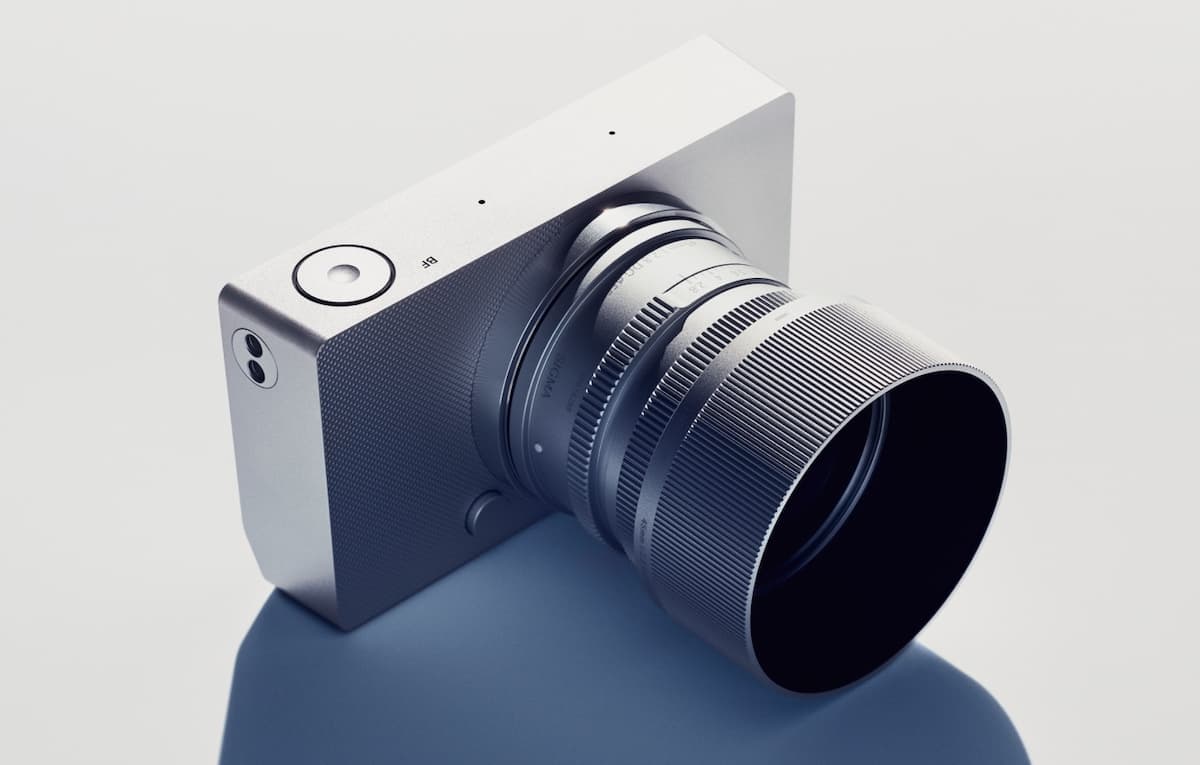
Sigma’s own pitch was plain enough. The company wanted the camera to pull attention away from controls and menus and back toward photography itself. The BF’s design recognition backed that up, with the camera later winning the 2025 Good Design Gold Award and the Minister of Economy, Trade and Industry Award in Japan. That is a strong outcome for a camera that looked, at first glance, like an object half way between a sculptural experiment and a working tool.
This article was produced by Prism’s automated news system from verified source data, official records, and press releases, then run through automated quality and moderation checks before publishing. The system is built and supervised by the people who set the standards it runs under. Read our full AI policy.
Did this article answer your question?