Sony unveils first LOFIC sensor, promises 16.6 stops in smartphones
Sony’s first LOFIC sensor promises 100 dB of single-exposure range, a roughly 16.6-stop leap aimed at phones that can finally hold backlit highlights.

Sony Semiconductor Solutions announced the LYTIA L910 on June 17, 2026, and the number that jumps off the spec sheet is 100 dB of dynamic range from a single exposure. That works out to roughly 16.6 stops, which is the kind of figure that makes smartphone shooters look twice at backlit portraits, night streets with neon, and scenes where a bright sky usually wrecks the foreground.
The LYTIA L910 is an approximately 50-effective-megapixel stacked CMOS mobile sensor built in a 1/1.28-type format with a 12.49 mm diagonal. It is Sony’s first LYTIA product to use LOFIC, or Lateral Overflow Integration Capacitor, structure, and Sony said mass-production shipment was scheduled for summer 2026. Coverage of the sensor also identified a Quad Bayer color filter array and 1.22µm pixels, which puts the device squarely in flagship-phone territory rather than some exotic niche part.
Sony’s pitch is simple enough to understand even if the circuitry is not. The sensor uses Triple Conversion Gain-HDR, reading photoelectric charge at three different conversion gains from a single exposure, and Sony also highlighted Ultra High Conversion Gain circuitry. The company said that UHCG cuts random noise by around 30% compared with the LYT-828, while the new design reduces highlight blowout and suppresses noise in darker areas. GSMArena noted that the older LYT-828 could also hit 100 dB, but only by leaning on multi-frame exposure, which makes the L910’s single-exposure claim the real step forward.
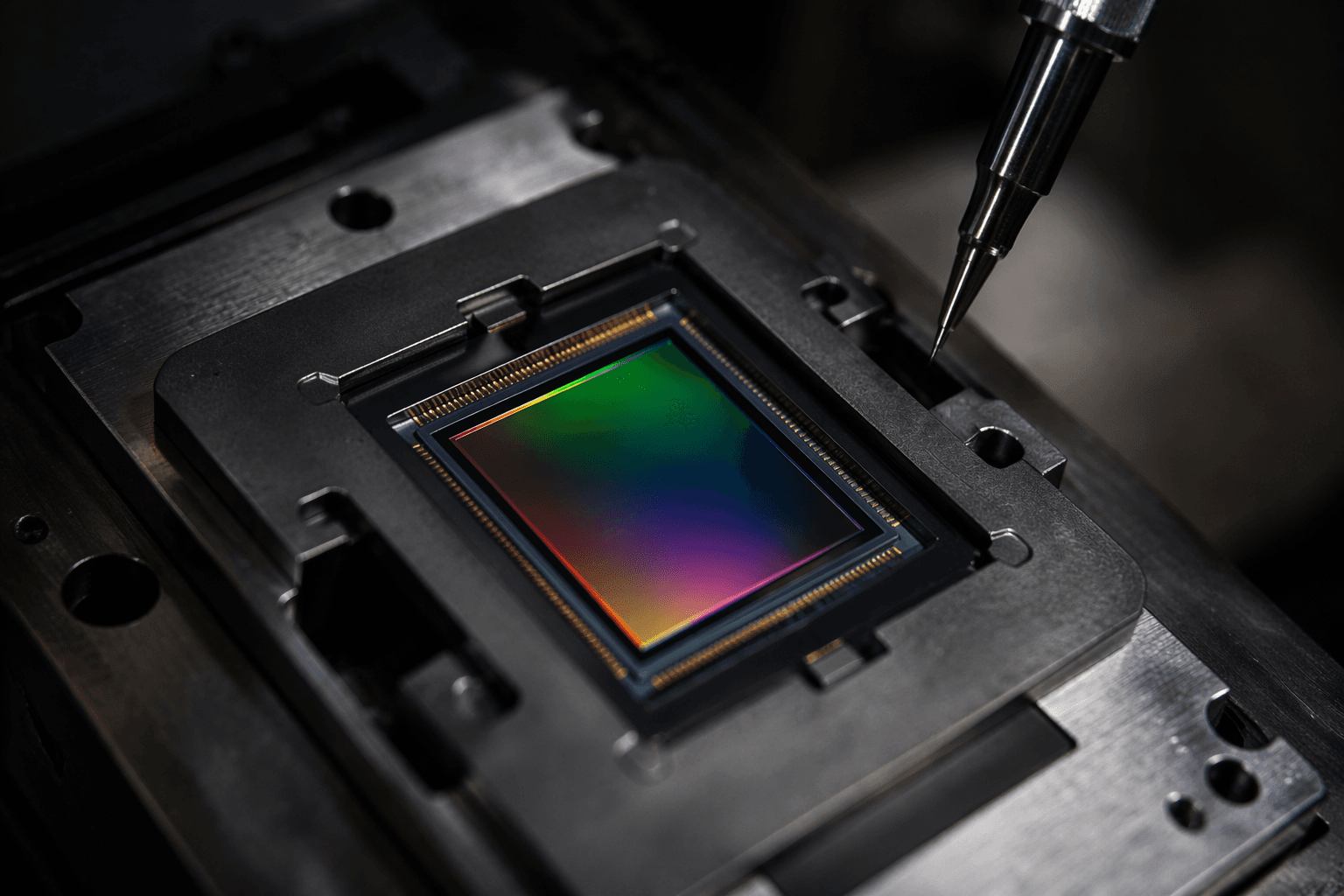
That single-exposure approach is where the practical gains show up. A phone built around this sensor should have a better shot at holding detail in bright LED signs, avoiding clipped white shirts in sunlit portraits, and keeping texture in shadowed buildings when the sky is still intact. Sony also said the design helps suppress motion blur and flicker because it does not need multi-exposure image synthesis, which should matter when the subject is moving, the light is bad, or both. The company said the sensor can also record 4K HDR video at 60 fps while maintaining low power consumption.
Still, no sensor ships images by itself. Lens quality, image processing, tone mapping, and manufacturer tuning will decide whether the LYTIA L910 looks like a breakthrough or just a better headline. If phone makers implement it well, this could be the first smartphone sensor that genuinely narrows the gap between ugly compromise and usable high-contrast rendering.
This article was produced by Prism’s automated news system from verified source data, official records, and press releases, then run through automated quality and moderation checks before publishing. The system is built and supervised by the people who set the standards it runs under. Read our full AI policy.
Did this article answer your question?