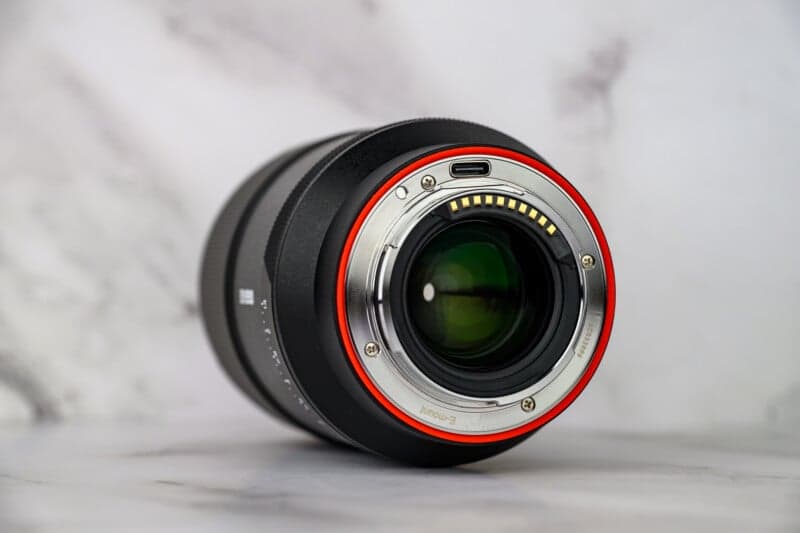
Sony ZV-E1 deal highlights compact full-frame appeal for photographers
Sony’s compact full-frame ZV-E1 is suddenly a smarter buy at $2,198 in white, but the real question is what stills-first shooters give up for the size.

The Sony ZV-E1 has always been a camera that makes you stop and rethink the usual full-frame shopping list. At $2,198 in white, the June 8 deal pushes it from “interesting hybrid oddity” into “maybe this actually makes sense” for anyone who wants one body for travel, street work, reels, and occasional stills without hauling a bigger rig.
Why the ZV-E1 still matters to photographers
Sony launched the ZV-E1 on March 29, 2023, and it was never pretending to be a traditional stills-first camera. It was designed as a vlogging-focused interchangeable-lens body, built around a 12.1-megapixel full-frame Exmor R CMOS sensor and the same general internal family used in the a7S III and FX3. That matters because the ZV-E1 is not trying to win the megapixel arms race. It is trying to make a full-frame look, with strong autofocus and real stabilization, fit into a body you can actually carry all day.
Sony’s own positioning is blunt enough to be useful: it calls the ZV-E1 the world’s most compact, lightweight full-frame interchangeable-lens camera. At 71.9 x 121.0 x 54.3 mm and 483 g including battery, it is the kind of camera that changes whether you bring it with you in the first place. That is the real hook for photographers who split time between street shooting and travel. A camera that stays home is worthless, no matter how good it looks in a spec sheet.
What the deal buys you, and what it does not
The attraction here is not just the lower price. It is the combination of a compact body, a fully articulated screen, effective in-body stabilization, strong subject-detect autofocus, and AI-oriented features that help you get a polished result fast. Sony’s AI processing unit is there to improve recognition and make tracking feel less like a gamble, which is exactly what you want when the subject is moving and the light is changing.
The headline price reduction also changes the conversation around value. The ZV-E1 launched at about $2,200 body-only and about $2,500 with the 28-60mm lens. At $2,198 in white, it is no longer priced like a curiosity reserved for creators with a very specific workflow. It starts to look like a body a hobbyist can justify if the goal is to replace multiple smaller cameras with one full-frame machine that handles a trip, a street session, and a clip-heavy weekend without much fuss.
That said, the compromise is obvious. A 12.1-megapixel sensor is enough for most social and everyday photography, but it is not the answer if you crop aggressively or print large. If your priority is stills above everything else, there are more photography-first bodies with more resolution and a more obvious stills heritage. The ZV-E1 only makes sense if you value portability, low-light flexibility, and hybrid shooting enough to accept that tradeoff.
Video-first, but not photo-useless
The ZV-E1’s reputation as a creator camera is not accidental. Sony gave it a flip-out vari-angle LCD, a built-in Intelligent 3 Capsule Microphone, and features aimed squarely at people shooting themselves or working quickly without a rig. It also has a single UHS-II SD card slot, which is fine for the camera’s intended role but another reminder that this is not a heavy-duty, do-everything pro body pretending otherwise.
At launch, DPReview noted UHD 4K recording up to 60p without crop, plus 1080/120p. Then Sony changed the picture on June 28, 2023, when it released a free North America upgrade through Creators’ Cloud that added 4K/120p and Full HD/240p recording. That update matters because the later deal pricing reflects a camera whose video credentials now sit even higher than they did on day one. For a buyer trying to rationalize a stills-friendly travel body, that extra video headroom is not a gimmick. It is one more reason the camera can cover more of a mixed-content workflow.
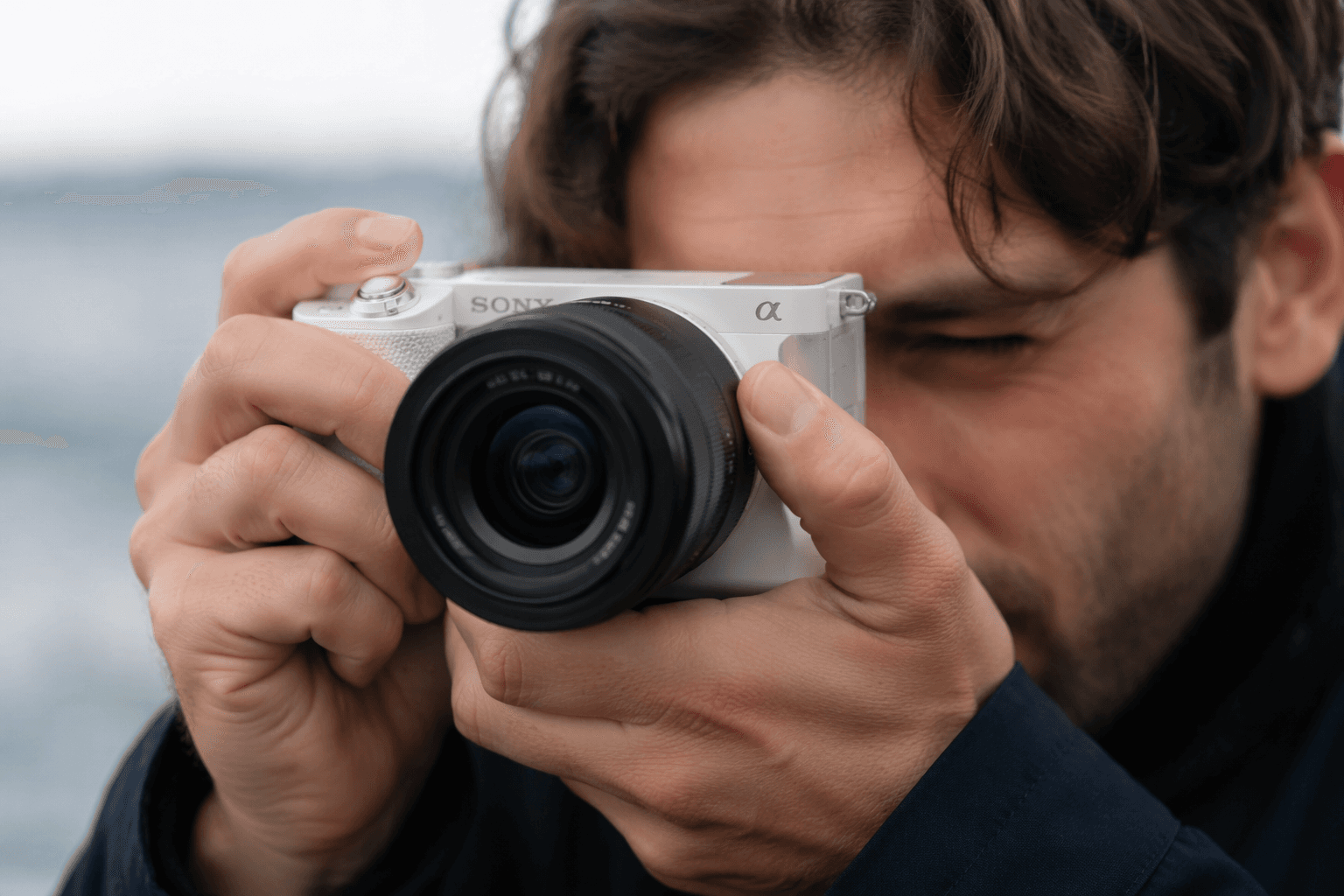
That is also where the bokeh switch and the AI-assisted modes come into the conversation. The ZV-E1 is built for quick, attractive results, not for making you dig through layers of menus. If you are the kind of shooter who wants to move from street frames to a handheld talking segment without changing bodies, that convenience is not fluff. It is the point.
Who should choose it over a more photography-first body
The ZV-E1 makes sense if you are the kind of photographer who actually values having a camera with you more than having the most ambitious sensor on paper. Travel shooters will feel the appeal immediately. Street photographers will appreciate the small footprint and the fact that the body does not scream “big DSLR replacement.” Hybrid creators will like that it can handle stills, reels, and run-and-gun video without turning into a backpack project.
It is less compelling if you mostly shoot static subjects and care about cropping latitude, large prints, or a body that feels designed from the ground up for stills. The ZV-E1 is a full-frame camera, but it behaves like a modern creator tool first. That means its strengths are portability, autofocus confidence, stabilization, and speed of use. If your buying logic starts with “How many megapixels can I wring out of this file?” you should probably look elsewhere.
But if your logic starts with “What full-frame body will I actually carry, handhold, and enjoy using every week?” the answer gets much more interesting. The ZV-E1’s smaller body, articulated screen, and effective subject detection make it easier to shoot than many larger, more traditional cameras. That ease is what makes a discounted price matter here. It turns a niche body into a practical one.
Does the deal change its place in the market?
Yes, but only for the right buyer. At launch, the ZV-E1 sat in a slightly awkward spot: premium enough to feel serious, but so video-led that photographers had to work harder to justify it. The June 2023 firmware upgrade and the current discount both help. The free 4K/120p and 1080/240p unlock made it more capable, and the lower sticker price makes it less painful to accept the 12-megapixel limit.
The market shift is subtle but real. This is no longer just a compact vlogging camera that also happens to take photos. At $2,198 in white, it becomes a credible “one-body” solution for enthusiasts who want full-frame rendering, reliable autofocus, stabilization, and video flexibility in a package that does not feel like a burden. That is a different proposition from the usual bargain camera story. It is not about saving money for its own sake. It is about buying a camera you are more likely to take out the door.
That is the real value here. The ZV-E1 was already a smart piece of engineering. The discount simply makes the compromise easier to live with, and for the right kind of photographer, that is what turns a curiosity into a buy.
This article was produced by Prism’s automated news system from verified source data, official records, and press releases, then run through automated quality and moderation checks before publishing. The system is built and supervised by the people who set the standards it runs under. Read our full AI policy.
Did this article answer your question?