Sony’s LYTIA L910 sensor aims to boost phone HDR detail
Sony’s LYTIA L910 promises 100 dB of single-shot HDR, the kind of upgrade that could save skies, shadows and neon signs in one frame.
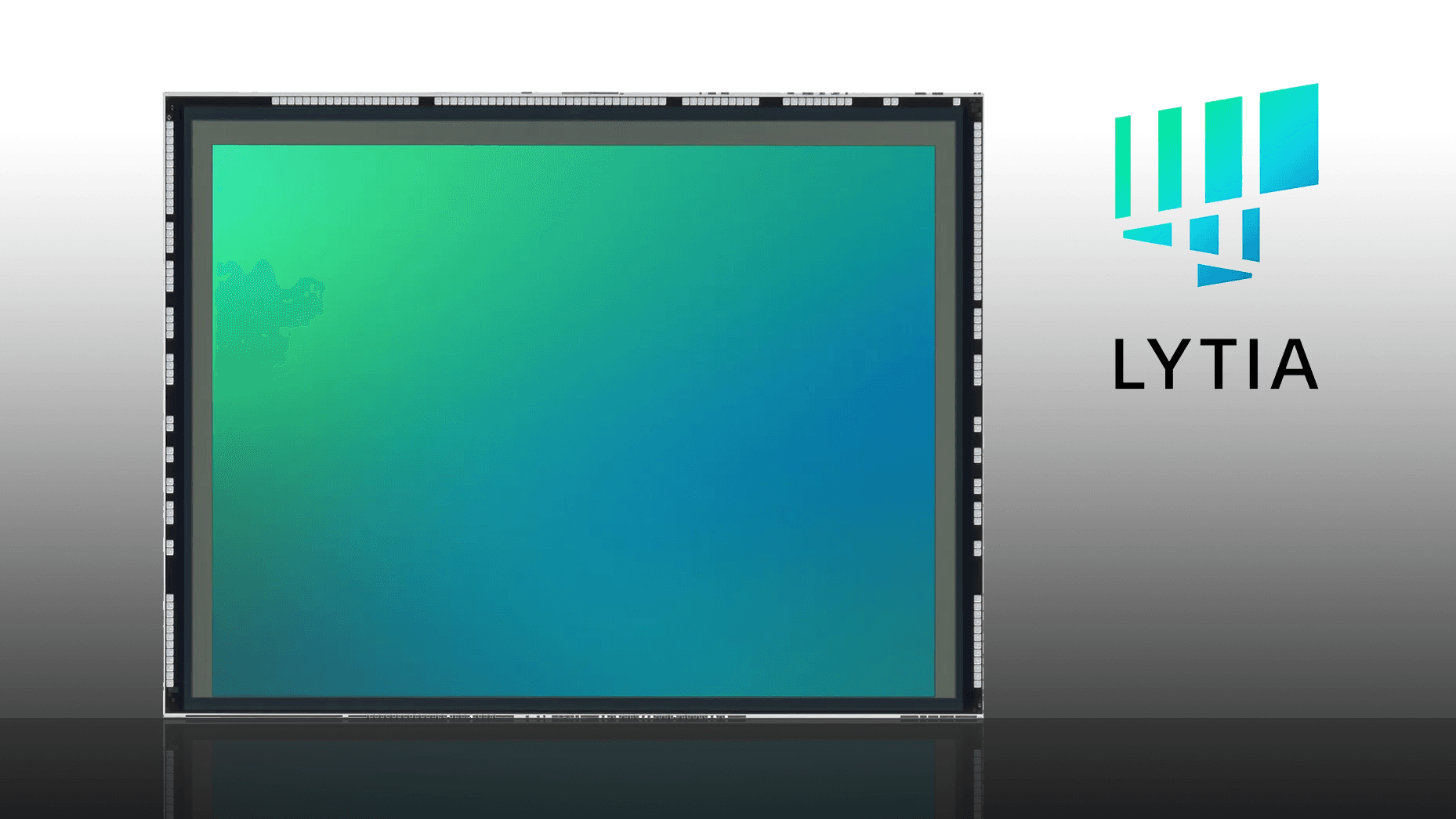
Sony Semiconductor Solutions unveiled the LYTIA L910, a roughly 50-effective-megapixel stacked CMOS image sensor for mobile applications, and said it can deliver 100 dB of dynamic range from a single exposure. Announced on June 17, the chip is the first in Sony’s LYTIA lineup with a LOFIC structure, and mass-production shipment is scheduled for summer 2026.
That LOFIC, or Lateral Overflow Integration Capacitor, is the detail that matters for photographers. Instead of letting bright areas clip early, the sensor stores extra charge when highlights are about to blow out, which should help a phone hold onto sky detail, window light and reflective surfaces in scenes that usually fall apart on a handset. Sony says the LYTIA L910 is built to cut highlight blowout and dark-area noise at the same time, with support for 4K 60 fps HDR video and lower power consumption.
In practical shooting terms, that points to the problem phone cameras still struggle with most: a sunset portrait where the face goes muddy against a bright sky, a backlit street scene with neon and shadow fighting for space, or a night cityscape where LED signs and deep blacks usually force a compromise. Sony says the sensor is aimed at exactly those high-contrast scenes, including night views with bright LED lights, and that its single-exposure HDR approach is meant to avoid the motion blur and flicker that multi-exposure HDR can introduce.

Sony had already used LOFIC in its March 16 IMX908 security-camera sensor, which carried 1.45 µm LOFIC pixels, reached 96 dB of dynamic range in a single exposure and offered nearly 20 times the saturated charge of conventional products. That earlier move showed the technology was already moving out of specialty imaging and into more mainstream silicon before reaching phones.
GSMArena reported that the LYTIA L910 also uses Triple Conversion Gain HDR and Ultra High Conversion Gain circuits, with Sony saying the latter reduces random noise by around 30% compared with the LYTIA 828. The same reporting put mass production at the start of this summer and expected smartphones using the sensor in the fourth quarter of 2026. Separate reports have already linked LOFIC sensors to high-end phones from Honor and Xiaomi, which suggests Sony is entering a race that is already underway rather than opening a brand-new lane.

For phone photographers, the appeal is simple: better files before computational tricks have to rescue them. If Sony’s single-exposure HDR claim lands the way it should, the blown skies and muddy shadows that still give phone shooters away may start to look a lot less inevitable.
This article was produced by Prism’s automated news system from verified source data, official records, and press releases, then run through automated quality and moderation checks before publishing. The system is built and supervised by the people who set the standards it runs under. Read our full AI policy.
Did this article answer your question?