Stanley Kubrick’s 1945 New York subway photos go public for first time
Stanley Kubrick’s subway pictures surfaced with 18 unseen frames, showing how the future filmmaker used midnight light and strangers’ gestures like a pro.
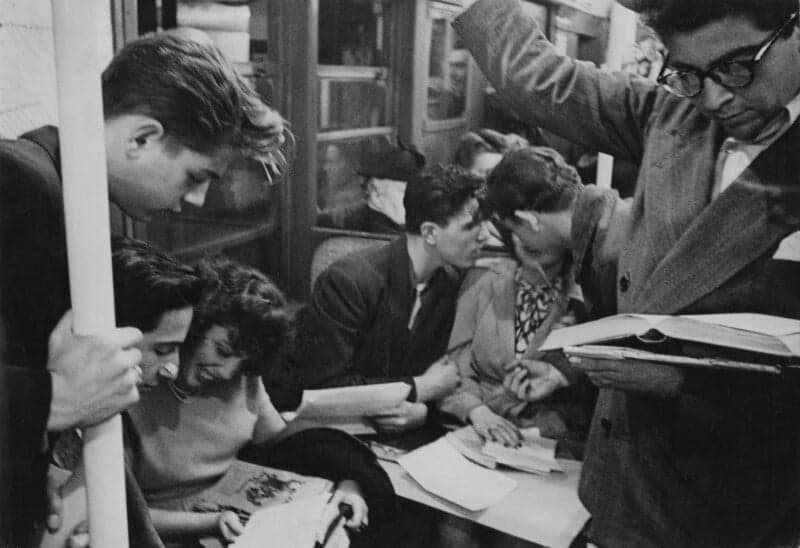
Before Stanley Kubrick became a name tied to cinema, he was already building scenes in the New York City subway, and 18 previously unseen photographs from that work have now gone public for the first time. Shot mostly between midnight and 6 a.m., the images show how a 17-year-old Kubrick was already using ordinary transit cars as a stage for movement, tension, and fleeting human contact.
The new set was presented in New York by Duncan Miller Gallery at The Photography Show, while the broader significance of the work comes from the Museum of the City of New York’s Look archive. The museum says Kubrick worked for Look from 1945 to 1950, produced 129 assignments and more than 12,000 negatives, and first appeared on the magazine’s masthead on January 7, 1947. His first extended assignment, Life and Love on the New York Subway, followed two months later. Look printed only some of the subway photographs, which makes the newly shown frames feel like a missing chapter finally coming into view.
For photographers, the appeal is not just the fact that Kubrick was young. It is how mature the pictures already look. The subway series, made after midnight, catches commuters in the low light of New York’s transit system with a kind of disciplined patience that later defined Kubrick’s films. He was not hunting for posed portraits. He was watching for gesture, distance, a hand on a rail, a glance held too long, the tiny social dramas that happen when strangers share a carriage. That approach gives the pictures their pull now, because it feels as close to street photography as anything in his early career.
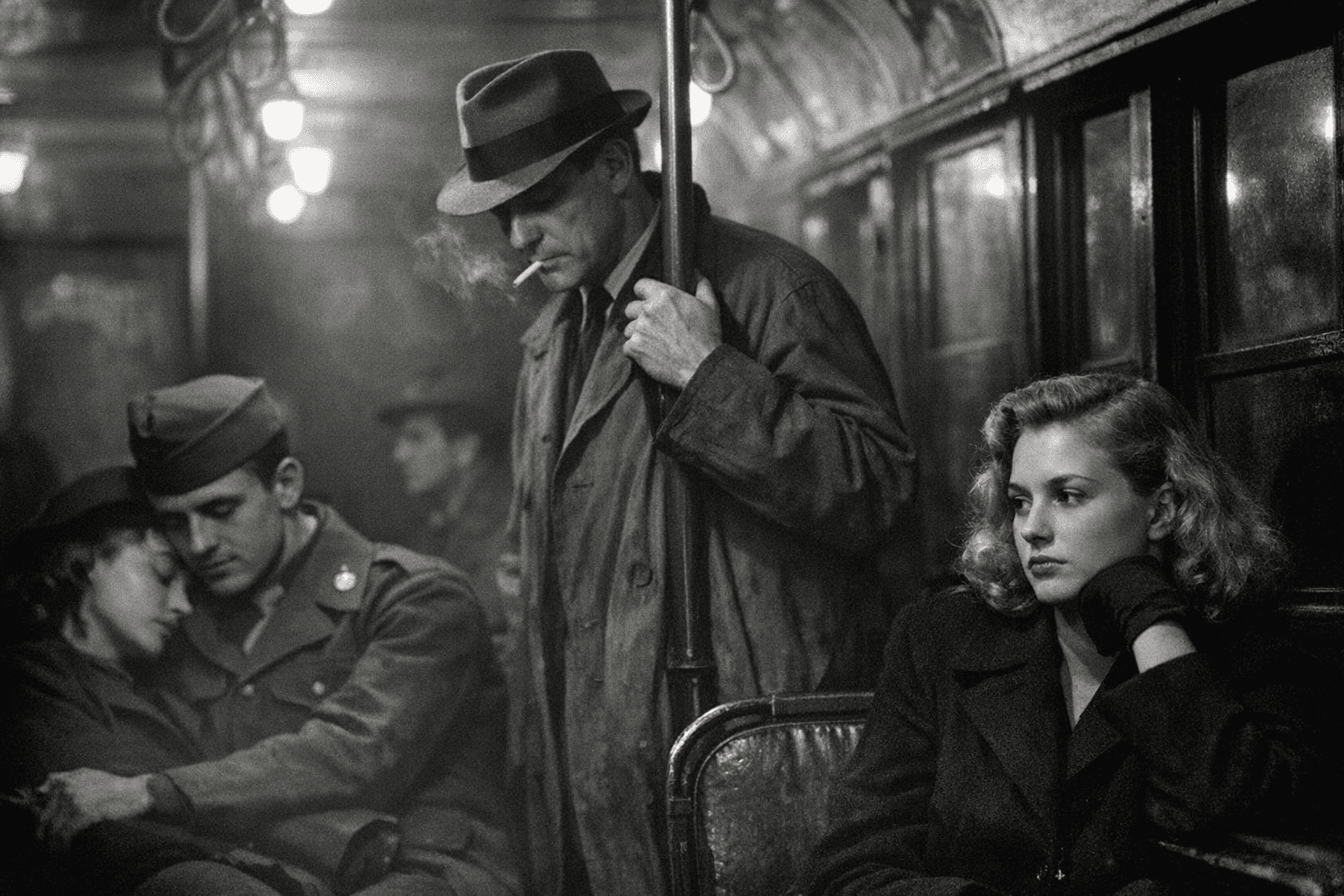
There was also a technical edge to the way he worked. Duncan Miller said Kubrick wore his camera around his neck and used a wire shutter release hidden in his coat pocket so he could photograph people without them noticing. The method links his subway work to an earlier covert tradition: the museum notes that Walker Evans had photographed unknowing subway riders in 1938 with a camera hidden in his coat. Kubrick was stepping into a lineage, but he was also refining it, using timing and atmosphere to turn a commute into narrative.
The lesson for street shooters is plain in these frames. Low light can shape mood instead of defeating it. Late hours can strip a scene down to what matters. Waiting for a gesture, rather than a perfect face, can make a frame feel alive. Kubrick’s subway photographs show that long before he mastered the controlled world of film sets, he had already learned how to find story in the crush of public space.
This article was produced by Prism’s automated news system from verified source data, official records, and press releases, then run through automated quality and moderation checks before publishing. The system is built and supervised by the people who set the standards it runs under. Read our full AI policy.
Did this article answer your question?