Canon’s RF 7-14mm fisheye zoom pushes ultra-wide photography to extremes
Canon’s new 7-14mm fisheye zoom reaches a 190-degree view and can literally frame the shooter’s own feet at 7mm. It is a specialty lens with real uses, not just a party trick.
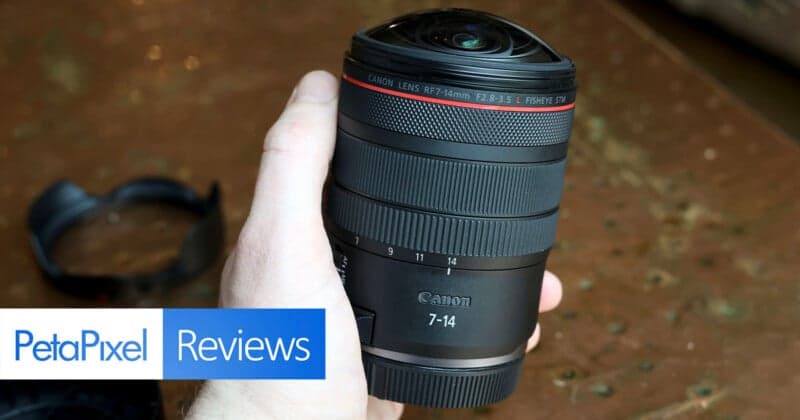
Canon’s RF 7-14mm F2.8-3.5 L Fisheye STM is the kind of lens that makes ordinary wide-angle glass feel timid. At 7mm, it delivers a 190-degree circular fisheye view, and at 14mm it shifts to a 180-degree diagonal fisheye that stays sharp enough across the frame to be more than a stunt. In the field, that means the lens can swallow an entire room, bend a skateboard park into a bowl of motion, or turn a landscape into something that looks physically impossible without crossing into gimmick territory.
Canon launched the lens in February 2026 alongside the RF14mm F1.4 L VCM prime, and it framed the zoom as a professional tool for sports, landscapes, starscapes, video, virtual reality, underwater shooting and remote-camera work. It is also Canon’s first fisheye zoom in the RF lineup, and the company positions it as a successor to the EF 8-15mm f/4L Fisheye USM, which Canon had called the world’s first fisheye zoom lens. The new optic pushes that idea further, with a brighter top end, wider coverage, and a clear emphasis on hybrid production.
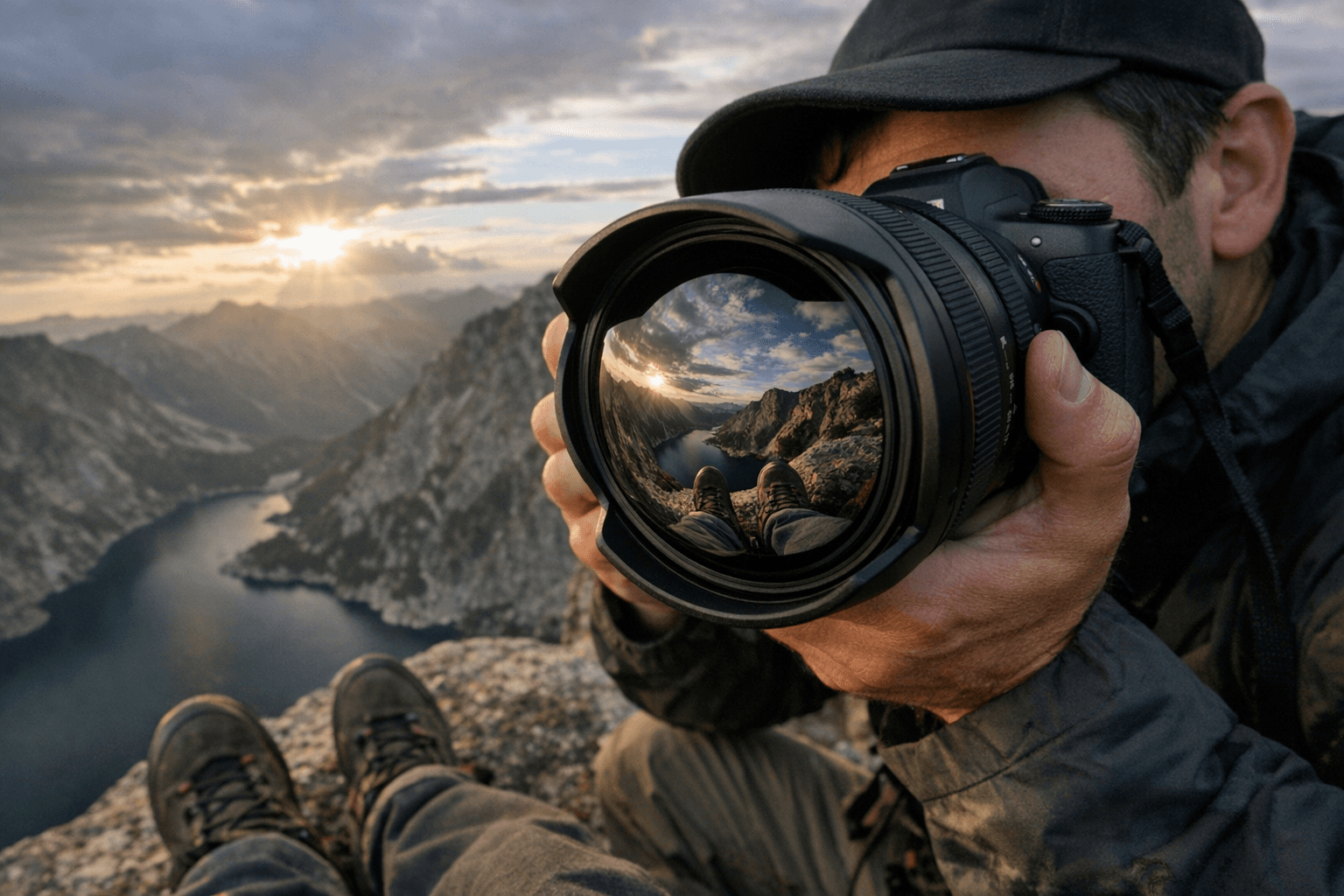
The practical appeal is obvious if you have ever tried to shoot in a cramped interior, under a ceiling too low for a standard wide lens, or right on top of a subject in fast action. The 7mm end is so extreme that it can include the photographer if you are careless about stance and distance, which is exactly why it matters for creative work. That huge angle can make a tiny space feel cinematic, make a crowd look larger than life, and let you place a subject at the center of a scene that seems to wrap around them.
Canon kept the body surprisingly manageable. The lens weighs 476 grams, measures 76.5 by 109.4 mm, and uses 16 elements in 11 groups, including five UD elements and two replica aspherical lenses. It has dust- and weather-resistant construction, fluorine coating, Air Sphere Coating, and a rear drop-in filter system instead of a front thread. In Canada, Canon listed the MSRP at $2,299.99 and said it expected the lens to reach dealers by the end of February 2026.
The handling tells you this is not a normal zoom. The bulbous front element changes how you pack and cap it, and the hood can create a distracting butterfly-shaped vignette at 7mm if you leave it on. Canon gave it a control ring, a Lens Function button and a zoom limiter that can lock it at 7mm on full frame. It also uses a leadscrew-type STM drive with position sensors and reduced focus breathing, which makes sense for video and VR work as much as stills.
Canon says the lens supports monoscopic VR content through EOS VR Utility and works with EOS R5 Mark II, EOS R5, EOS R6 Mark III, EOS R6 Mark II and EOS R5 C. That combination of extreme angle, compact weight and rear-filter support is what makes the RF 7-14mm useful: not for every assignment, but for the ones where ordinary wide glass simply runs out of room.
This article was produced by Prism’s automated news system from verified source data, official records, and press releases, then run through automated quality and moderation checks before publishing. The system is built and supervised by the people who set the standards it runs under. Read our full AI policy.
Did this article answer your question?