Viltrox adds affordable APS-C portrait primes for mirrorless shooters
APS-C portrait shooters get two near-twins: the 75mm f/1.8 costs $329, while the 90mm f/2.2 reaches farther for $369 and a tighter, more compressed look.
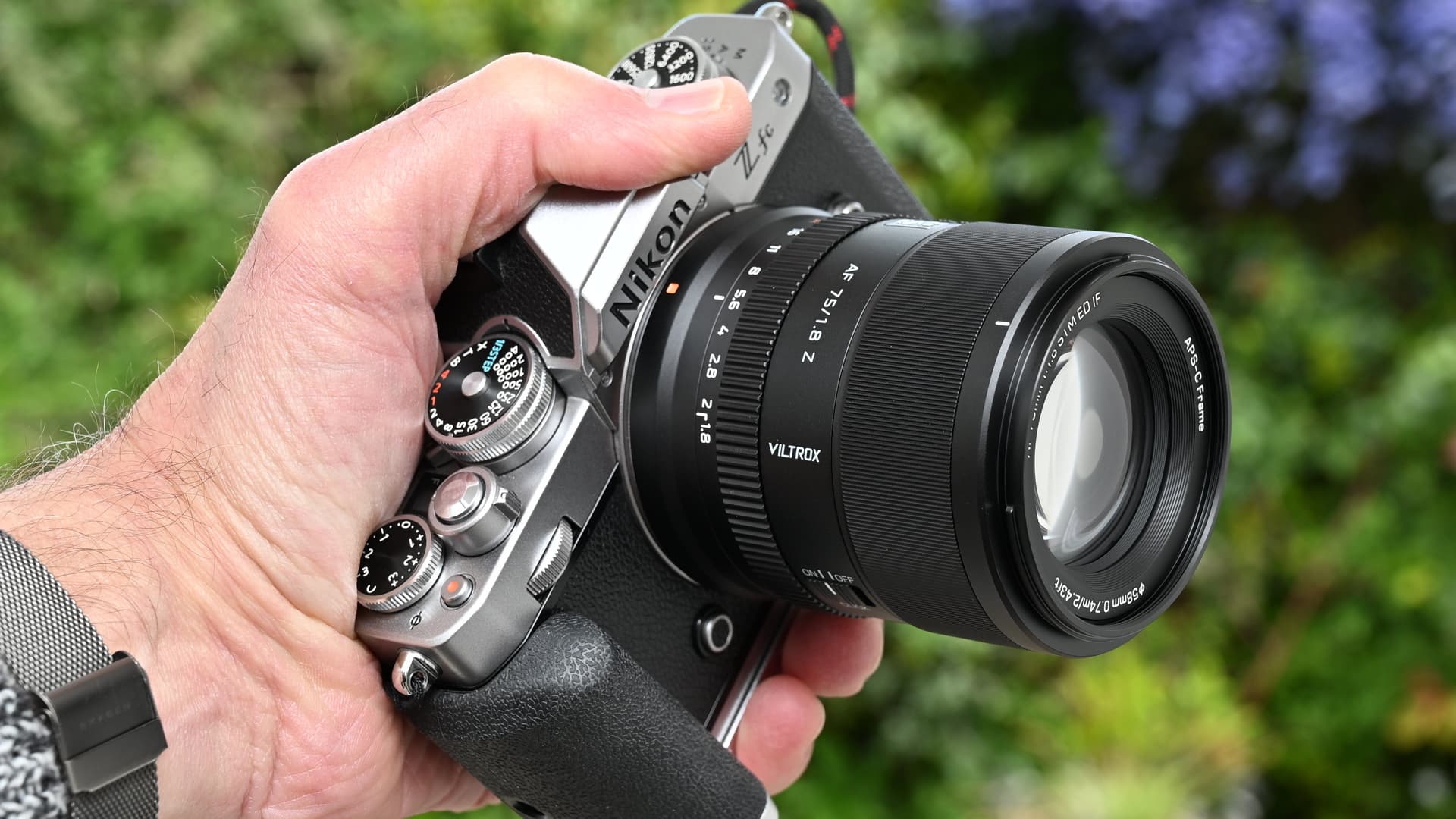
Viltrox’s new EVO 75mm f/1.8 and EVO 90mm f/2.2 are nearly twin APS-C portrait primes. The 75mm is the easier buy if you want the brighter aperture and lower price, while the 90mm is the better pick if you want a tighter frame and more compression for headshots and half-body portraits.
On APS-C, the 75mm behaves like a 112.5mm equivalent, while the 90mm lands at about 135mm equivalent. The 75mm is the more balanced, natural option, and the 90mm is tighter, more compressed, and more dramatic. Both lenses are aimed squarely at mirrorless shooters on Sony E, Nikon Z, and Fujifilm X bodies, and both extend the company’s EVO family, which already included 35mm, 55mm, and full-frame 85mm lenses.
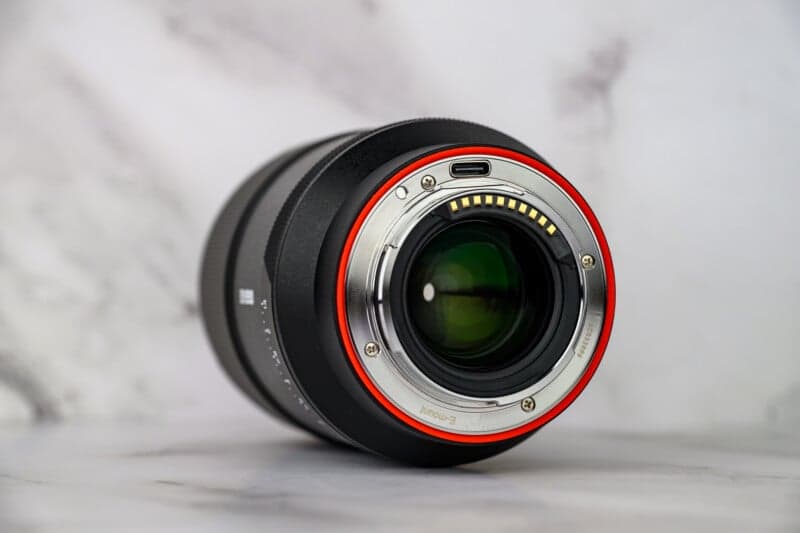
The 75mm is $329 and the 90mm is $369. Both use a 58mm filter thread, rubber-gasket weather sealing, a metal barrel, a smooth focus ring, a clickable aperture ring, and a USB-C port tucked behind the seal for firmware updates. They also share a 0.74m minimum focusing distance, STM autofocus, and the same compact, carry-everywhere approach that defines the EVO line.
Under the hood, the 75mm uses 11 elements in 9 groups with 2 ED and 2 HR elements, while the 90mm uses 10 elements in 8 groups with the same 2 ED and 2 HR layout. The 75mm is about 335g in Sony E, the 90mm is about 320g in Sony E, and the Nikon Z version of the 90mm is about 345g. Sony and Nikon versions also get an AF/MF switch and a customizable button, while the Fujifilm versions skip those controls.
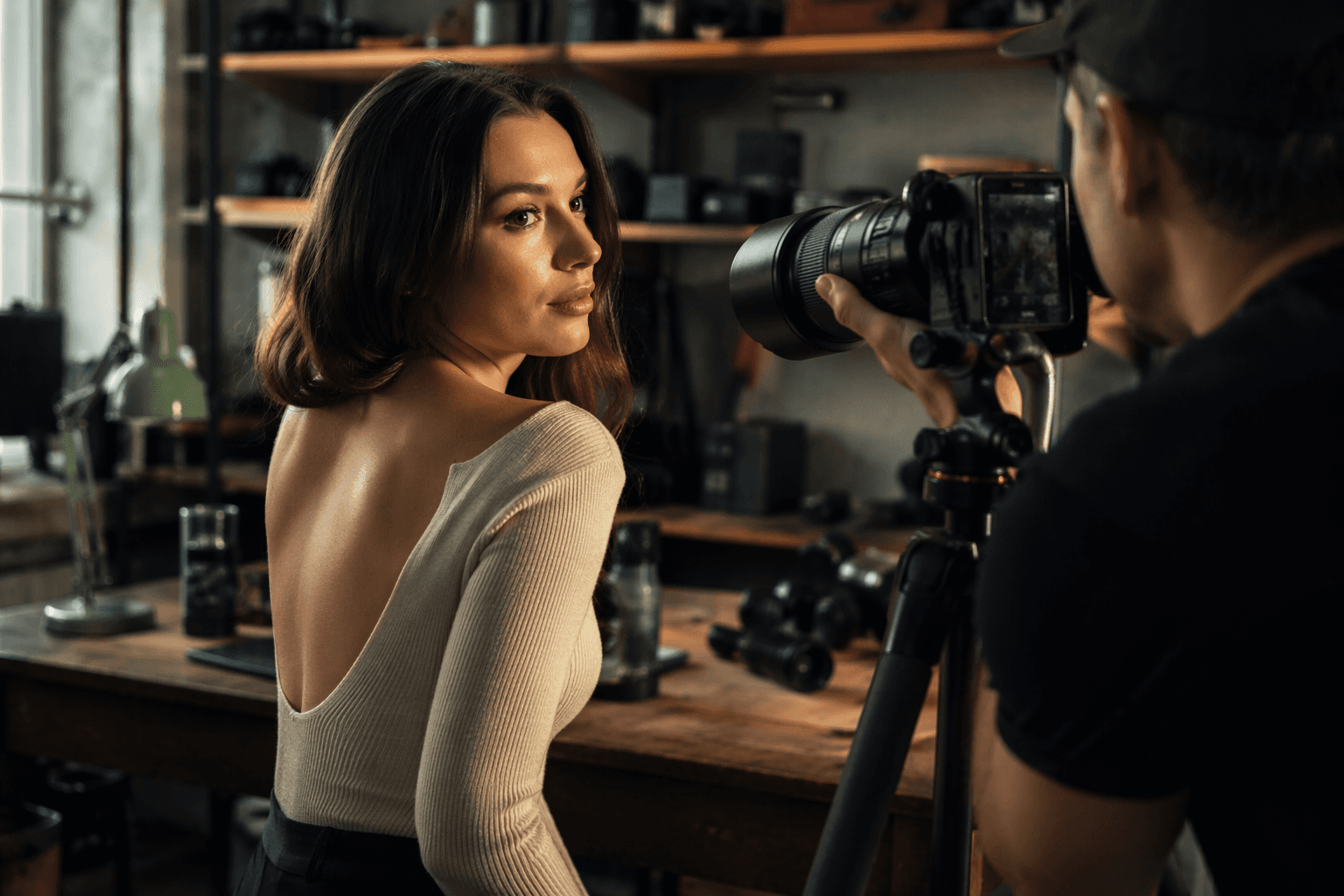
The 75mm gives a slightly looser working distance, a bit more flexibility, and the lower entry price. The 90mm gives a background that falls away harder and a subject that separates more decisively.
This article was produced by Prism’s automated news system from verified source data, official records, and press releases, then run through automated quality and moderation checks before publishing. The system is built and supervised by the people who set the standards it runs under. Read our full AI policy.
Did this article answer your question?