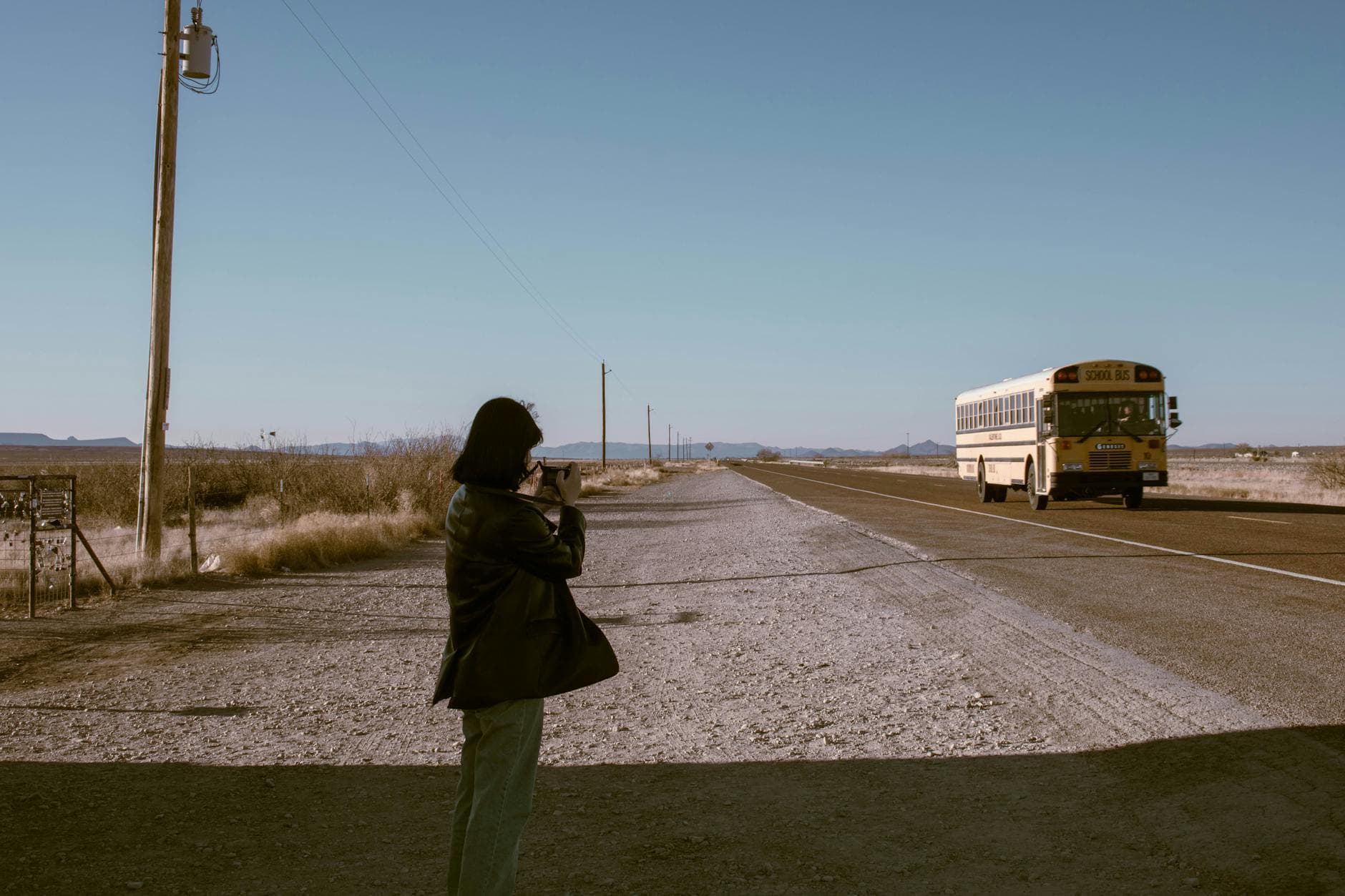
VWFNDR launches MBL camera app, previews a compact camera future
VWFNDR’s MBL app puts RAW, manual controls, and Content Credentials ahead of smartphone automation, signaling a compact camera that may start as software.

VWFNDR has taken its first concrete step into the camera market with MBL, a free Android app that it says is meant to behave like a real camera, not a computational filter. That distinction is the whole story here: instead of chasing heavier smoothing, more automatic correction, or a prettier instant result, MBL is built around control, discipline, and provenance, the same things many photographers say phones have steadily traded away.
Launched on May 19, 2026, MBL captures unprocessed Bayer RAW DNG files alongside JPEGs and gives users manual control over ISO, shutter speed, focus, and exposure compensation. It also offers six aspect ratios, 1:1, 7:6, 4:3, 3:2, 16:9, and 2:1, plus a customizable interface that lets the app adapt to the photographer instead of forcing every frame through one default mobile look.
VWFNDR describes MBL as its first actual product and the first step toward a future compact camera. That matters because the company is not treating software as the final destination. It is using the app as a live test bed, a way to see how photographers respond before the hardware arrives. For a brand that says it wants to bring back the fun and magic of photography through new hardware, UX, and interface design paradigms, MBL is less a side project than the opening move.
The startup’s backstory fits that ambition. VWFNDR says it was founded in Tokyo in 2023 by designers Álvaro Nuevo.Tokyo and Mireia Gordi i Vila. Its earlier Keirin concept, unveiled in 2023, was a panoramic-first digital camera with a side-to-side flexible touchscreen, built as a testing ground for new design ideas that blend hardware and software more tightly than a typical camera company would dare.
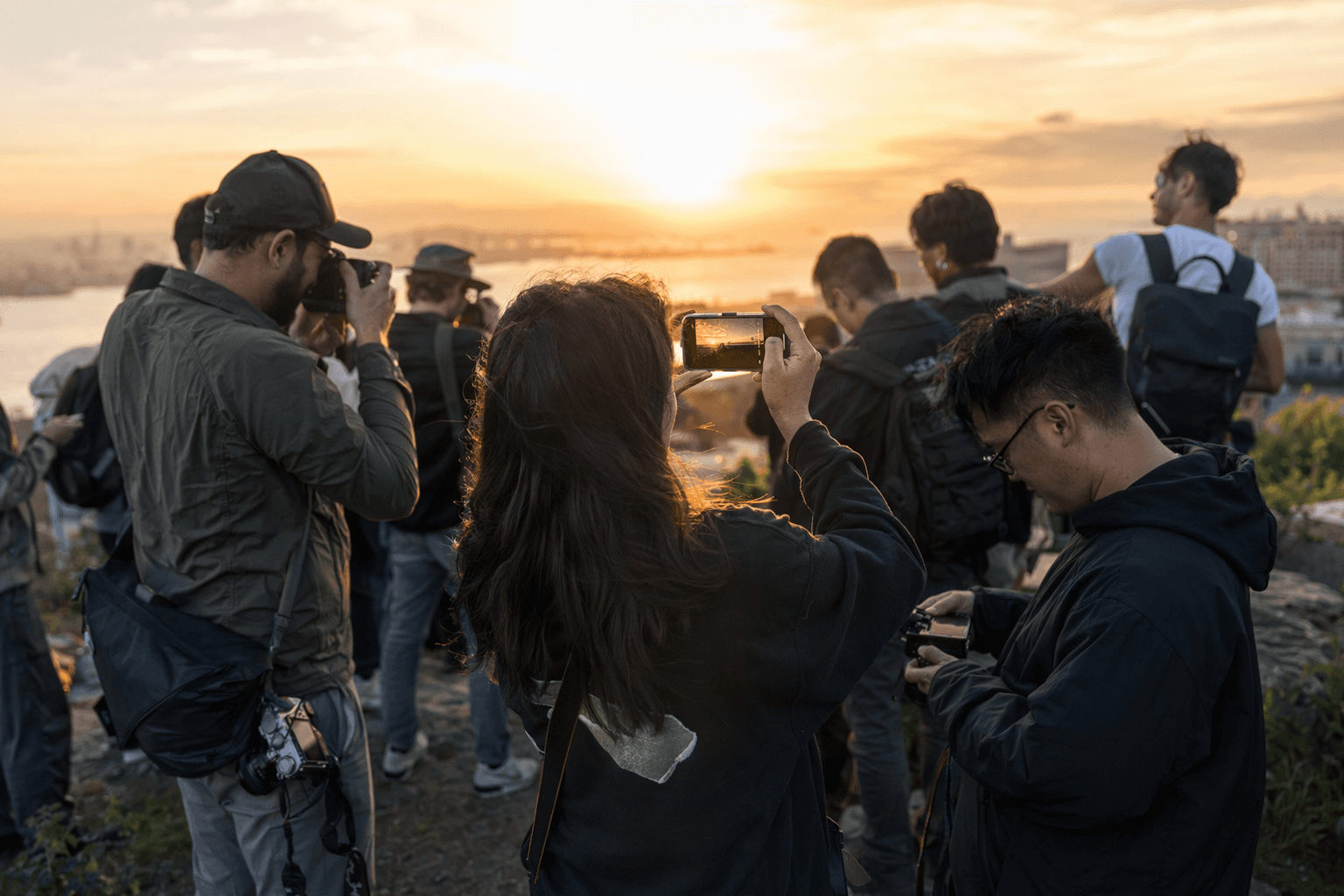
MBL also arrives with an authenticity pitch that lands squarely in the middle of the current C2PA push. Every photo captured in the app includes Content Credentials, and VWFNDR says it is the fourth company in the world to achieve C2PA Level 2 conformance, and the second, after Google, to support Content Credentials for DNG. Adobe describes Content Credentials as durable, industry-standard metadata that works like a digital nutrition label for content, while the Content Authenticity Initiative says its work is fully compliant with the C2PA specifications released in 2022. Leica’s M11-P was the first camera with Content Credentials built in, and Nikon is bringing the feature to future models starting with the Z6III.
VWFNDR has already shown MBL images made on the Google Pixel 7a, Google Pixel 9a, Xiaomi 12T Pro, Xiaomi 14 Ultra, Nothing 3a, Nothing 2, and Leitz Phone 3. That makes the app feel like a practical stress test for a bigger idea: whether mobile photography can be steered back toward intention, or whether “real camera” on a phone still ends up being just another interface on top of the same old automation.
Know something we missed? Have a correction or additional information?
Submit a Tip