Wildlife photo contest disqualifies winning owl image amid AI, composite doubts
The owl photo did not just look suspicious. It forced a wildlife contest to answer whether it had been fooled by AI, a composite, or a real scene.
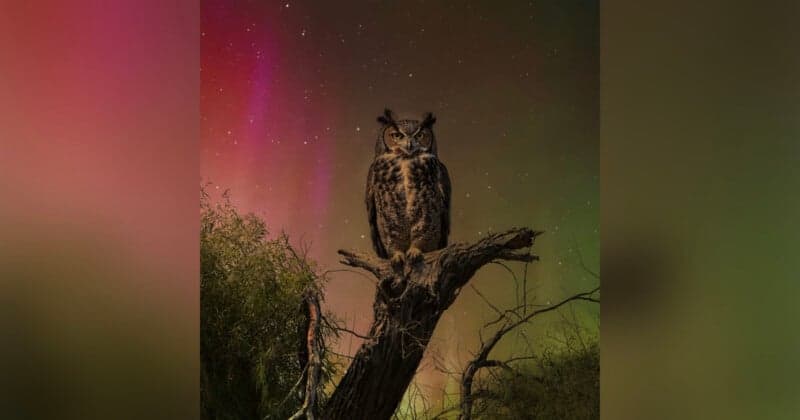
The National Wildlife Federation’s Garden for Wildlife Photo Contest turned into a credibility test the moment its winning owl image hit Instagram. NWF later disqualified the photo, and the debate was not simply whether the shot looked odd. Photographers immediately split over whether Kellie Carter’s image was AI-generated, a composite, or a real capture that crossed the contest’s rules anyway. NWF later edited the Instagram post, but the damage was already done: the contest was suddenly being judged as much on trust as on taste.
Liz Tran was among the first to call out the image publicly on Instagram, pointing to the claimed setting in Pawhuska, Oklahoma and the red auroras in June 2025. Tran said a G4 geomagnetic storm made auroras in northern Oklahoma possible, but not a single exposure that would freeze an owl and the sky into one believable frame under the conditions claimed. OM System ambassador Ben Knoot also pressed the organization to think harder about the implications. NOAA’s Space Weather Prediction Center said a G4 severe geomagnetic storm watch was in effect in early June 2025, and the U.S. Geological Survey later said that storm reached G4 severity and produced aurorae as far south as the Gulf of America. NOAA also notes aurora can sometimes be seen from as much as 1,000 km away when conditions are right, which explains why skeptics did not dismiss the aurora claim outright even as they doubted the image itself.
NWF said it verified that a geomagnetic storm could have made auroras visible in northern Oklahoma, but that did not save the entry. The contest rules require single, camera-made digital images, and composites are forbidden, which means Carter’s frame could be disqualified even if it were built from real photos rather than AI. That is the hard part for photo contests now: judges have to police both whether a picture is a legitimate photographic capture and whether it shows a real scene at all. NWF’s 2026 National Wildlife Photo Contest was its 55th year, open worldwide to photographers 13 and older, while the Garden for Wildlife contest was entering its eighth year. NWF said the 2026 National Wildlife contest drew nearly 30,000 entries from more than 3,200 photographers in 2024, and the 2025 Garden for Wildlife contest drew nearly 9,000 submissions from photographers around the world. Winning images and honorable mentions are published in National Wildlife magazine and on NWF’s own platforms, which is exactly why this kind of disqualification lands so hard.
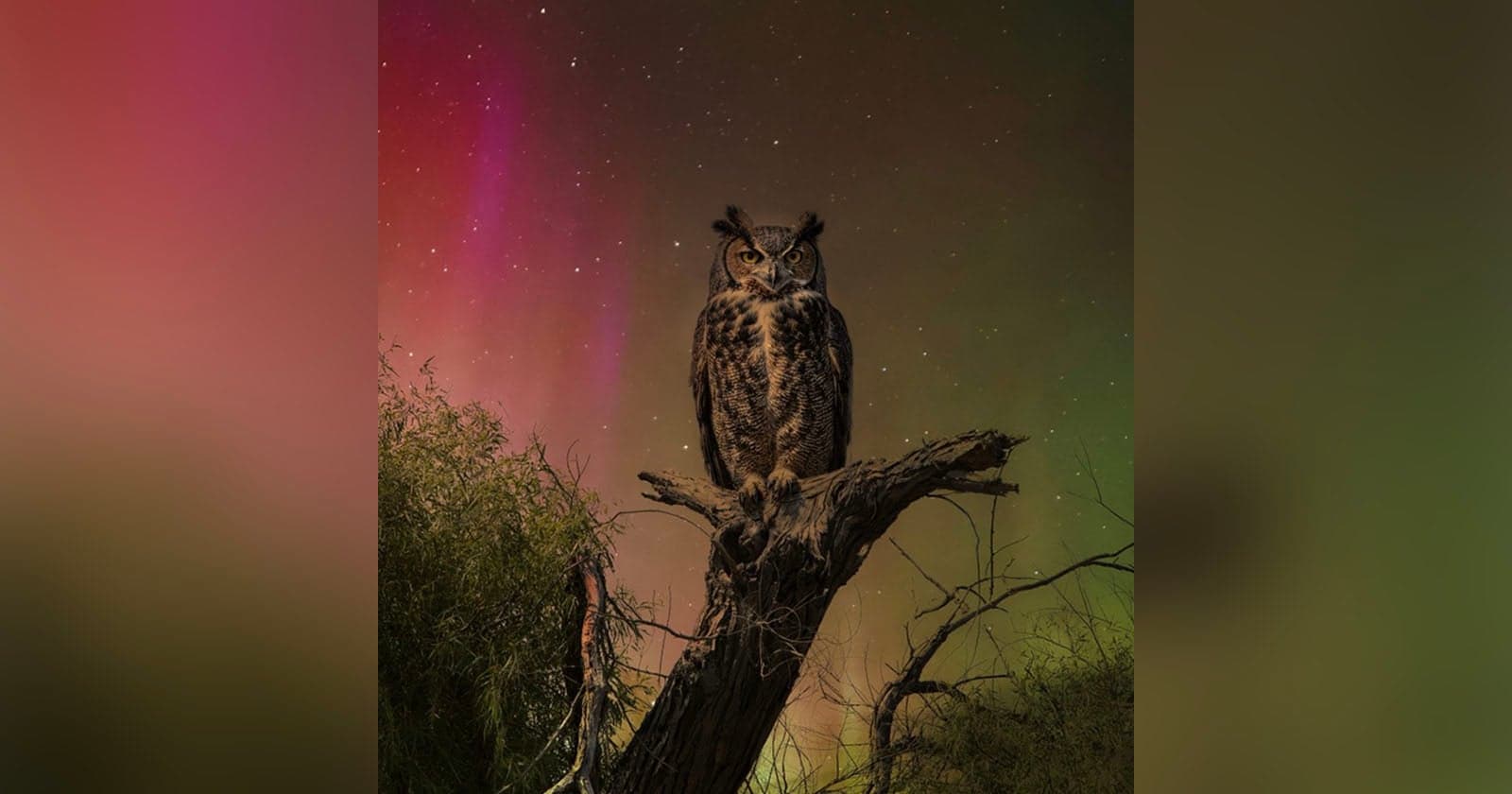
For contests that still want to reward honest field work, the standard is getting stricter. NWF already asks entrants to provide subjects, dates, locations, and any digital adjustments made to the image, but this episode shows that basic disclosure may no longer be enough once a frame can be dissected by thousands of photographers in minutes. If organizers want to defend a winning image, they may need original RAW files, complete EXIF data, and a clear edit trail that shows exactly what was done, what was blended, and what was left untouched. Without that paper trail, the line between a rare real moment and a polished fiction keeps shrinking.
This article was produced by Prism’s automated news system from verified source data, official records, and press releases, then run through automated quality and moderation checks before publishing. The system is built and supervised by the people who set the standards it runs under. Read our full AI policy.
Did this article answer your question?