Ben Johns Shows Why Mental Toughness Wins Pickleball Matches
Ben Johns is the headline, but the lesson is simpler: stop giving away points after one bad rally and train a reset you can trust.
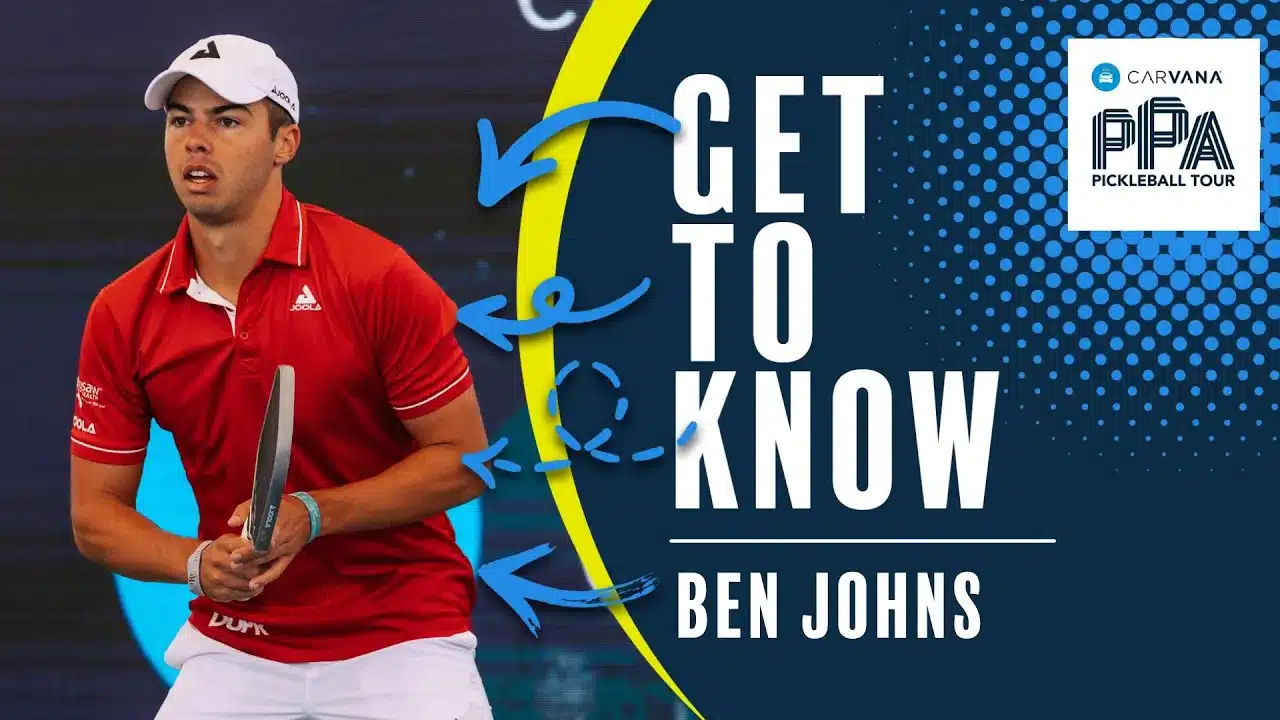
Ben Johns and the skill that keeps matches from slipping away
Ben Johns is the perfect face for this conversation because his resume is built on more than shot-making. Pickleball.com describes him as the greatest male pickleball player of all time, with 123-plus PPA Tour titles, 21 Triple Crowns, and a 108-match singles winning streak, while the PPA Tour identifies him as the #1 male athlete and says he held top rankings across divisions for much of 2020-2024. That kind of dominance does not happen by accident, and it does not come from talent alone. It comes from staying composed when the score tightens, the crowd feels the pressure, and the next point suddenly matters more than the last one.
That is why Johns is such a useful model for everyday players. Pickleball moves fast, rallies are short, and there is almost no time to mentally recover after a bad miss. A single lost dink can become three straight errors if frustration takes over, and a comfortable lead can disappear when you start forcing shots instead of playing the point in front of you. The real lesson is not that you need tour-level talent to compete better, but that you need a repeatable way to stay functional when momentum shifts.
Why the between-point battle matters so much
The most important moments in pickleball often happen after the point ends. That is when you decide whether to dwell on the miss, rush the next serve return, or walk back in with the same calm body language you had a minute earlier. Johns’ value as an example is that his game shows how elite players protect themselves from emotional spillover, and that same habit pays off in rec play, league matches, and tournament brackets.
Mental toughness in this sport is not some abstract trait reserved for champions. It is the difference between a missed third shot and a full collapse. It changes whether you keep your shape in a tight game, whether you choose the right ball under pressure, and whether you can accept a momentum swing without treating it like a crisis. In pickleball, where points turn quickly, the player who resets fastest often looks like the player with the best hands.
Build a reset routine you can actually use
The good news is that mental toughness can be trained like any other skill. If you want a practical between-point routine, keep it simple enough that you can use it when your heart rate spikes and your mind starts racing. Johns’ example points to a bigger truth: composure is not magic, it is repetition.
A strong reset routine can look like this:
- Take one slow breath before you turn back to the next point.
- Use the same cue word every time, such as “next,” “reset,” or “build.”
- Identify one adjustment only, not five different mistakes.
- Keep your body language steady, even if the last rally went badly.
- Treat the next serve, return, or third shot as a clean start, not a reaction to the miss before it.
That structure matters because pickleball does not leave much room for emotional drift. If you wait until you feel perfectly calm, you may never get there. If you use the same short routine after every point, your brain learns to shift out of frustration and back into problem-solving.
When an error happens, keep it from multiplying
The biggest trap for most players is not the first mistake, it is the second and third ones that follow because the first one still feels unfinished. A missed dink can lead to a rushed drive, a poor reset, or a hard swing at a ball you should have simply put back in play. Once that spiral starts, even a close set can turn messy in a hurry.
That is where Johns’ profile becomes more than a star turn. Pickleball.com notes that he started playing in 2016, which helps explain how quickly he rose while the sport itself was exploding. In a game that has grown as fast as pickleball, the ability to absorb pressure and keep making smart decisions has become part of the standard for high-level play, not just a bonus. If you can stop one error from becoming a pattern, you give yourself a real chance to stay in the match.
The pro game is already treating mindset like a skill
The mental side of pickleball is not just a tour-level talking point anymore. Pickleball.com reported in January 2024 that Ricky Thais hired a mental toughness coach for his 13-year-old son Rex, who was already a 5.0 player with pro ambitions. That is a clear sign that the next generation is learning something the best adults already know: the head game can be coached, practiced, and improved.
USA Pickleball reinforces that broader view by serving players from backyard beginners to elite pros and offering educational resources as the national governing body. That matters because mindset work should not be treated like a luxury add-on. Whether you are learning how to handle a bad stretch in open play or helping a junior player handle pressure, the same principle applies: emotional control is part of the sport.
What the research says about pickleball and the mind
The psychological side of pickleball is getting attention beyond the court too. A 2025 study in Frontiers in Psychology examined whether greater pickleball participation is associated with stronger mental wellbeing, and a systematic review found links between pickleball participation and better wellbeing, life satisfaction, lower stress, lower depression, and higher happiness. Those findings do not prove that one calm breath before a serve will change your life, but they do underline something players already feel: pickleball can shape mood, confidence, and resilience.
That is why this conversation matters for Pickleball Retreats players in particular. Retreats are built around improvement, repetition, and time to absorb coaching, which makes them a natural place to work on the mental game alongside mechanics. If you can learn to reset between rallies, shake off a mistake without dragging it into the next point, and keep your emotional state steady under pressure, you are not just playing better. You are building the kind of composure that keeps close matches from slipping away.
This article was produced by Prism’s automated news system from verified source data, official records, and press releases, then run through automated quality and moderation checks before publishing. The system is built and supervised by the people who set the standards it runs under. Read our full AI policy.
Did this article answer your question?