Elite Pickleball Breakdown Shows Why Low Balls Win at 5.5+ Level
Elite pickleball gets decided by dead dinks, disciplined resets, and pressure at the feet. Mesa’s qualifier backdrop shows exactly why low balls win when mistakes are almost always punished.
How the 5.5+ game really changes
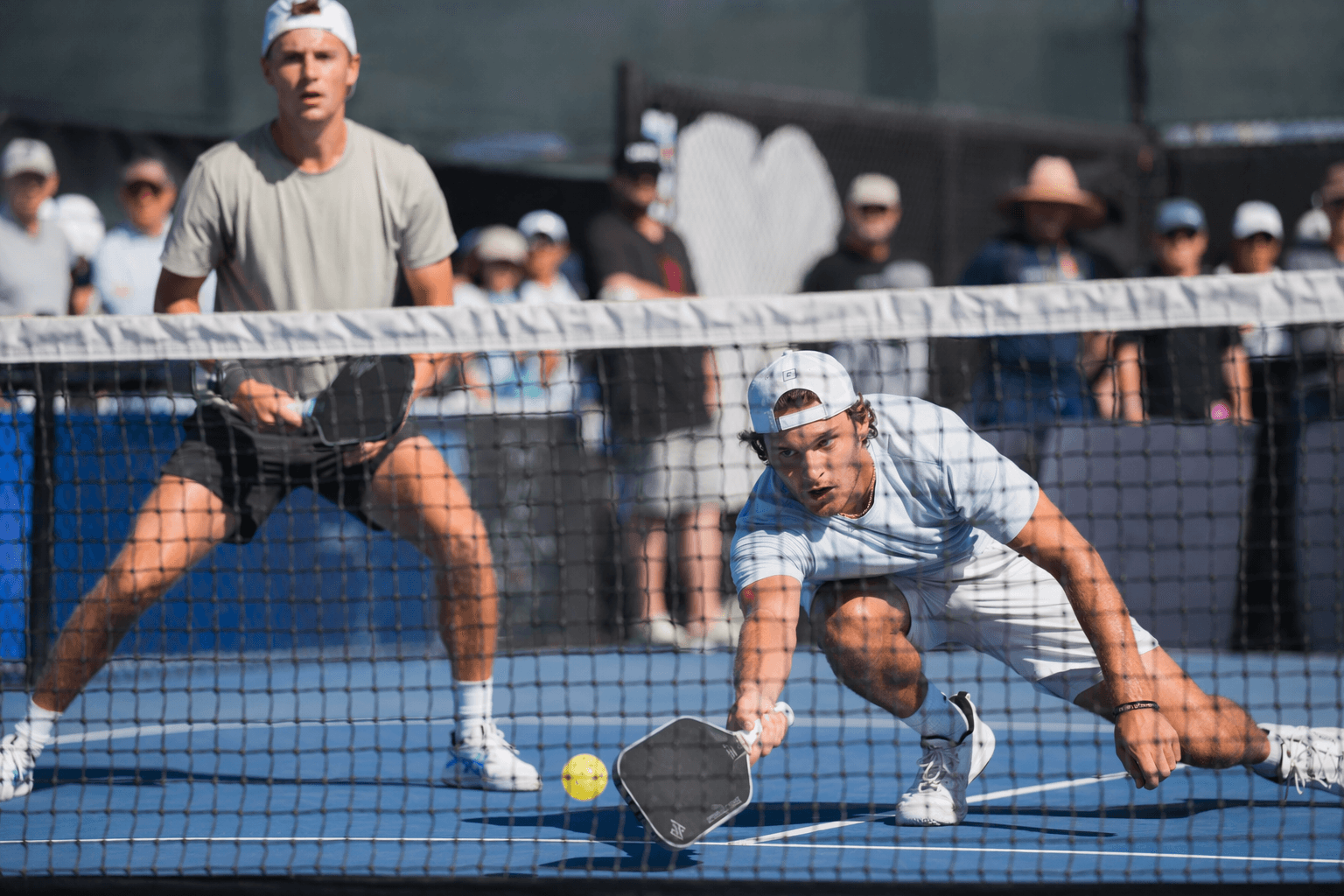
Elite pickleball at the 5.5+ level looks less like a power contest and more like a control battle. The flash is still there, but the real edge comes from making the other side uncomfortable with low, precise balls, then waiting for the first short reply to attack. Once players reach this level, almost every loose ball gets punished, so the best teams stop chasing miracle shots and start manufacturing pressure through position, patience, and discipline.
That is the heart of the breakdown involving Nick, Grayson, Ellie, and Arman as they prepare for PPA Mesa qualifiers. Their setting is not casual drilling territory, but a tournament environment where the margin for error is tiny and the cost of a bad contact point is immediate.
Why low balls decide so much
Jordan Briones keeps coming back to one message: keep the ball low. At this level, a dink is no longer a neutral reset. If it bounces up even a little, it can be attacked. If it lands dead at the opponent’s feet, it forces a weak reply or a straight-up mistake.
That is why elite rallies often feel slower than the average spectator expects. The pace may not be constant firepower, but the tension rises with every low trajectory, every controlled drop, and every ball that denies the opponent an easy swing. The side that keeps contact points low forces the other team to hit upward, and in pickleball that usually means trouble.
The match breakdown also makes a useful distinction for retreat players trying to level up: offense is not about swinging harder from every position. Offense is about making the next ball easier to finish.
The transition zone is where bad choices get exposed
USA Pickleball describes the transition zone as the difficult area between the baseline and the non-volley zone, and that is where many rallies get decided before either team reaches the kitchen line. Standard guidance warns against forcing attacks from midcourt because that is where pop-ups and mishits tend to happen. The safer and smarter pattern is to reset, block, or attack only when the ball is high enough to drive cleanly.
Briones’s commentary fits that model, but with a high-level twist. He points out that attacking from transition is usually risky, yet some players can create good windows because they understand positioning, timing, and where to place the ball before stepping forward. That is a narrow lane, not a default plan, and it only works when the contact is controlled and the ball is truly available.
For most 3.5 to 4.5 players in the retreat setting, the lesson is simple:
- Do not force midcourt attacks just because the ball is there.
- Reset more often than you think you need to.
- Look for balls that sit up high enough to be driven with balance.
- Keep moving forward only after you have earned the right to do it.
The elite habit to copy is patience. The elite habit to recognize, not imitate blindly, is the ability to turn a small opening in transition into an actual scoring chance.
Mesa gives the lesson real tournament weight
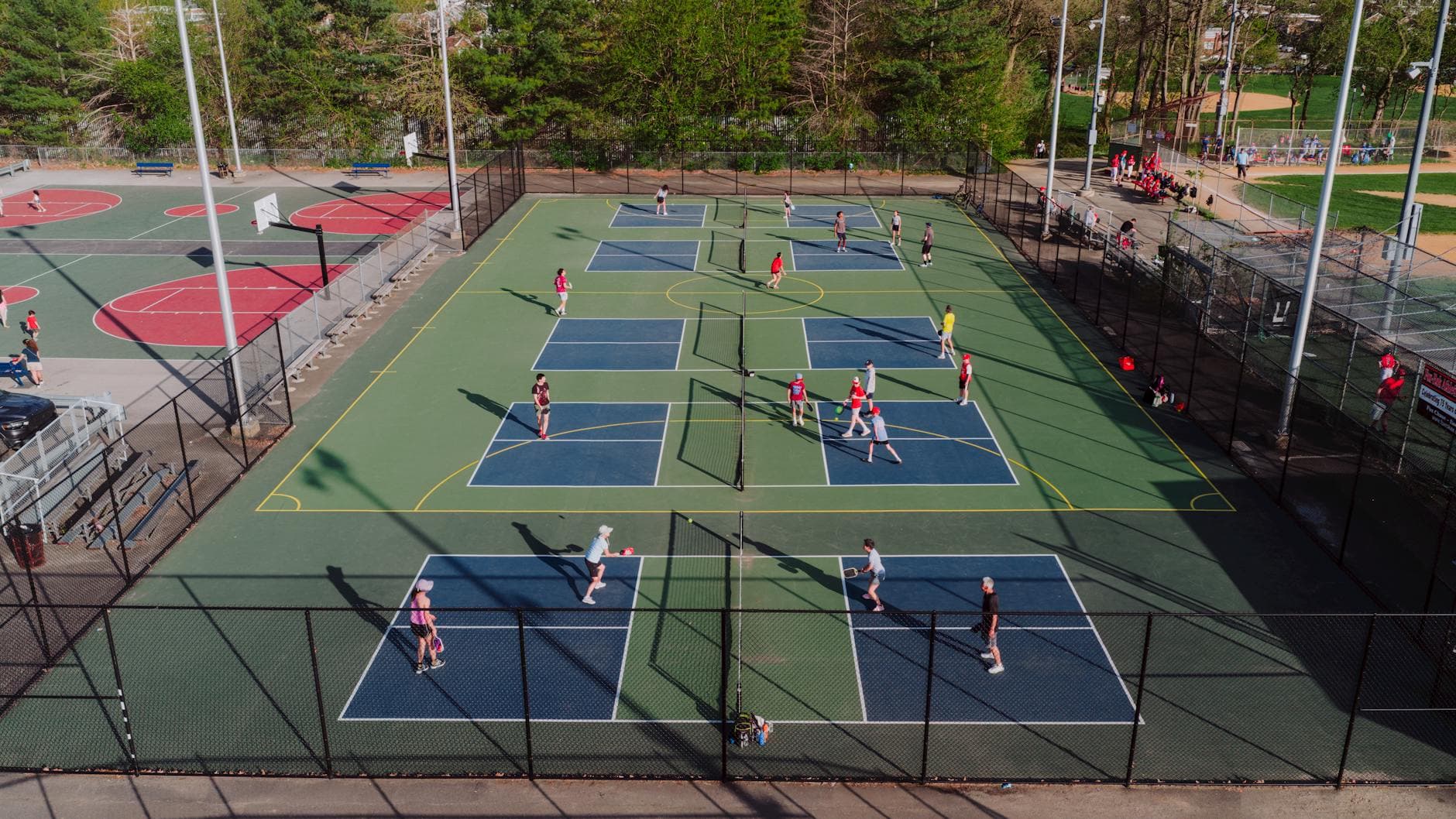
The backdrop matters because these ideas are not floating in theory. The 2026 Carvana Mesa Cup ran February 16-22 at Arizona Athletic Grounds in Mesa, Arizona, at 6321 S Ellsworth Rd. The venue is one of the largest pickleball sites in the country, with more than 40 dedicated courts and a covered stadium court, which makes it a fitting stage for a Cup-level event.
That Cup status matters too. Winners earned 1,500 ranking points, a huge reward in a setting where every draw is stacked with pressure. One tournament listing put the pro field at 222 players, while another event listing said 1,666 players were registered overall. That kind of scale explains why qualifiers carry so much weight and why players would be drilling the exact kind of low-ball patterns Briones is emphasizing.
The calendar structure adds another layer. In 2026, PPA qualifying is played on Mondays and main draw matches begin on Tuesdays. That means the players in the breakdown are not just practicing abstract concepts, they are preparing for a specific weekly rhythm where sharp first-ball decisions can determine whether they even reach the main stage.
What elite pickleball looks like up close
The biggest takeaway from the 5.5+ breakdown is that elite pickleball is less about visible aggression and more about invisible control. The best players keep the ball low, deny clean contact, and wait until the opponent is forced to lift or overreach. The game may look calmer from the outside, but every shot is working toward a structural advantage.
That is also where USA Pickleball’s official skill-level scale helps put the level in perspective. USA Pickleball established the first nationwide official scale in 2005, and its 5.0/5.5 category describes players who are skilled in all facets of the game and can consistently execute advanced shots under pressure. That definition matches what the Mesa-style breakdown is showing: this is not just about having a few good weapons, but about applying them without breaking structure.
Why Briones’s read carries weight
Jordan Briones is not speaking from the outside looking in. He says he first picked up pickleball in early 2014, later reached a Top 20 national ranking, co-founded PrimeTime Pickleball in 2017, launched Briones Pickleball in late 2021, and opened what he describes as the world’s first dedicated pickleball academy in Gilbert, Arizona, in 2025. That background explains why his eye for low balls, transition decisions, and pressure-based patterns lands with authority.
His message is especially useful for retreat players because it filters elite play into something practical. You do not need 5.5 speed to learn that dead dinks at the feet are hard to counter, that midcourt attacks must be earned, and that good positioning often does more damage than a big swing. What you can copy now is the discipline. What you should learn to recognize is the kind of speed and precision that makes those low-ball patterns impossible to ignore.
At the top end, pickleball is not won by chasing highlight points. It is won by making the other side hit one more uncomfortable ball, then one more, until the pattern finally breaks.
This article was produced by Prism’s automated news system from verified source data, official records, and press releases, then run through automated quality and moderation checks before publishing. The system is built and supervised by the people who set the standards it runs under. Read our full AI policy.
Did this article answer your question?