Why Singles Pickleball Plays Like a Different Sport
Singles pickleball rewards recovery, serve placement, and first-step discipline far more than doubles habits. If you borrow the right pieces, your camp and open-play game gets cleaner fast.
Why singles feels bigger than the court
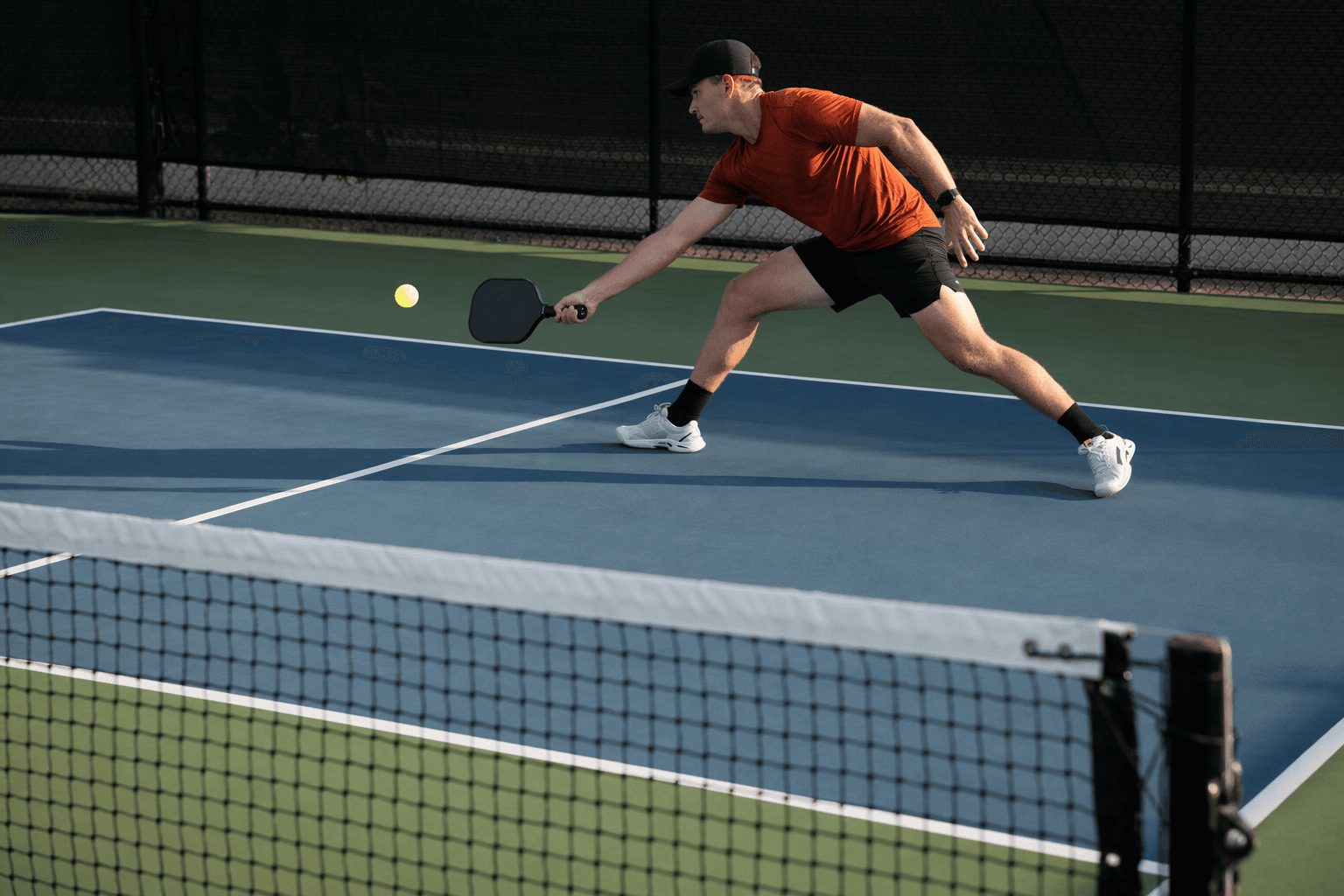
Singles is not just doubles with one fewer teammate. On a regulation 20-foot by 44-foot court, every ball is yours, every mistake is yours, and every recovery step matters because nobody is there to save a stretched rally. USA Pickleball says doubles is still the most common format, but singles uses the same court and the same rules, which is exactly why the contrast is so sharp: the boundaries do not change, yet the tactical burden lands entirely on one player.
That is why singles asks for a different kind of discipline. You are covering the full width of the court without stacking, without a partner shading space, and without a second player to absorb the damage when an opponent pulls you wide. The result is a format that rewards fitness, footwork, and repeatable habits more than flashy winners.
The baseline is home base
In singles, recovery starts with a simple rule: get back to the middle of the baseline after the shot. That position gives you the best chance to defend both alleys and stop your opponent from turning one good angle into a clean finish. If you drift too far to one side after contact, you hand over the other side of the court and make your next recovery a sprint instead of a controlled move.
This is one of the clearest differences between singles and doubles for retreat players who spend most of their time in two-up formats. In doubles, you can survive more often with coverage help and fast hands at the kitchen line. In singles, bad recovery positioning compounds fast, because the opponent can keep you pinned and force you to defend the full 20-by-44 footprint on your own.
What to borrow from singles, even if you rarely play it
- Recover to center after every shot instead of admiring the ball.
- Serve with a target, not just pace.
- Take the first step early, so you are moving before the ball gets behind you.
- Build patterns that keep you off the sideline.
- Finish points with patience, not panic.
A lot of the best singles habits translate well into camps, clinics, and open play:
Those habits make doubles cleaner too. Better recovery and cleaner positioning reduce rushed contacts, and stronger serve routines help you start points with intent instead of just getting the ball in play.
Scoring changes the mindset
Singles scoring changes the mental game as much as the physical one. USA Pickleball’s rules say only the serving side can score, and games are normally played to 11 points, win by 2. Its singles scoring guidance also uses side-out scoring language, which means there is no second serve to lean on and no hidden margin for sloppy service games.
That makes serve quality a real separator. In singles, a weak serve does not just give the returner a better look, it can hand over momentum immediately. Every fault matters more, because you are not only giving away a point of pressure, you are also losing the chance to control the shape of the next rally.
For retreat players used to doubles, this is the first major reality check: singles is less about trading explosions and more about keeping your patterns intact. A serve that sets up the next ball, a return that buys time, and a third-shot decision that keeps you balanced can matter more than a single highlight-reel passing shot.
Fitness is part of the strategy
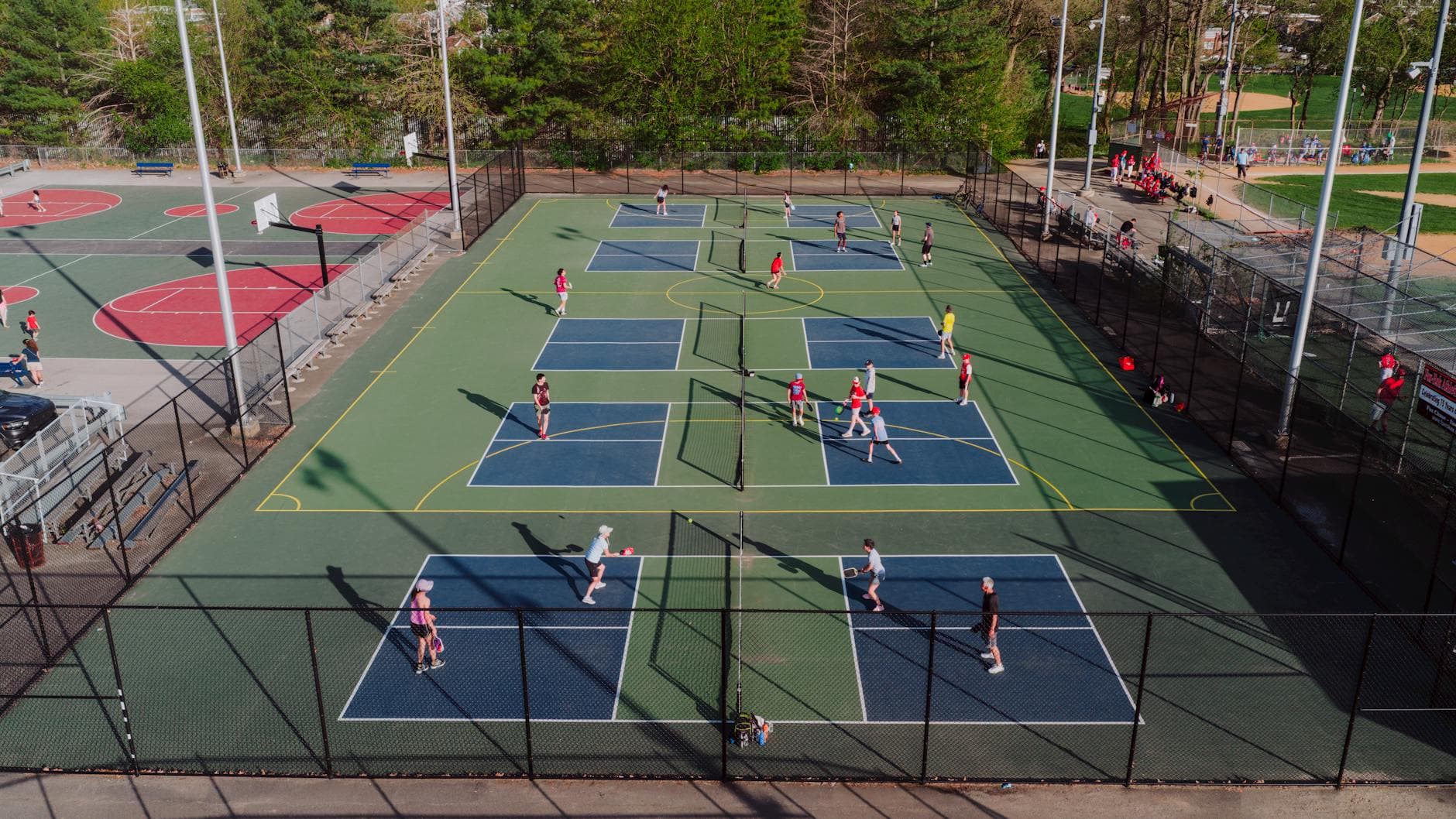
Singles is the most physically and mentally demanding pickleball format because the court is all yours and the rallies tend to ask more of your legs, lungs, and decision-making. The game punishes players who lose their mechanics late, since footwork and recovery start to break down just when the court feels largest. That is why conditioning is not a side issue in singles, it is part of the match plan.
Harvard Health’s numbers make the broader context hard to ignore. U.S. pickleball participation grew from 3.5 million players in 2019 to 8.9 million in 2022, and the rise in play has also brought more injuries, especially among older adults. For many recreational players, that means singles strategy is tied directly to injury prevention and recovery management. A more efficient first step, cleaner footwork, and better point construction can reduce the kind of scrambling that leads to overuse and awkward recoveries.
Singles is growing, and the ecosystem is adjusting
The competitive side is moving too. USA Pickleball has seen a steady rise in singles event registration at sanctioned tournaments, and pro singles draws are getting tougher at PPA and APP stops. The growth fits into a broader expansion of the sport: USA Pickleball’s 2025 annual growth report says membership reached 104,828, and its Pickleheads court database now includes 82,613 known courts across 18,258 locations.
That growth matters because it shows singles is not a niche afterthought anymore. USA Pickleball also announced an expanded Path to Nationals for 2026, with Golden Ticket and TPS pathways, which signals a more structured competitive ladder. More sanctioned events, more membership, and more courts all point in the same direction: the singles game is getting deeper, and players who understand its patterns will have more places to use them.
The court itself is being rethought
The most interesting sign of change may be the experiment happening around court size. The PPA Challenger Series announced in January 2026 that it would trial narrower singles courts at four upcoming events, reducing singles width from 20 feet to 17 feet and bringing each sideline in by 1.5 feet. That is a meaningful shift, because it changes how much ground a singles player must cover and could help create longer, more viewer-friendly rallies.
Even that trial reinforces the core lesson for retreat players: singles is being treated as its own tactical problem, not just a doubles sidebar. Officials and promoters are clearly looking for ways to shape the format, which tells you how much attention singles now commands.
The takeaway for retreat players
If you only dip into singles now and then, you do not need to reinvent your whole game. You do need to respect the format’s demands: recover to the middle, serve with purpose, move early, and keep your mechanics stable when the points stretch. Singles rewards the player who stays disciplined long after the first burst of energy fades, and that same discipline can make your doubles sharper the next time you step into camp, clinic, or open play.
This article was produced by Prism’s automated news system from verified source data, official records, and press releases, then run through automated quality and moderation checks before publishing. The system is built and supervised by the people who set the standards it runs under. Read our full AI policy.
Did this article answer your question?