PSXSplash 2.0 Brings Unity Workflows to Authentic PS1 Homebrew Development
PSXSplash 2.0 replaced MIPS assembly with Lua scripting and one-click PS1 export, cutting the steepest part of the PS1 homebrew learning curve entirely.
Getting a Unity project running on a real PlayStation 1 used to mean navigating a gauntlet of cross-compilers, format conversions, and MIPS toolchains that even experienced embedded developers found hostile. PSXSplash 2.0, released April 3, 2026, closed most of that gap in one package.
The project ships across two GitHub repositories: psxsplash/splashedit, the Unity editor package called SplashEdit, and psxsplash/psxsplash, the C++ runtime that executes on actual PS1 silicon. The pipeline runs Unity Scene to SplashEdit Export to splashpack binary to psxsplash PS1 runtime. Every step after pressing export is handled automatically.
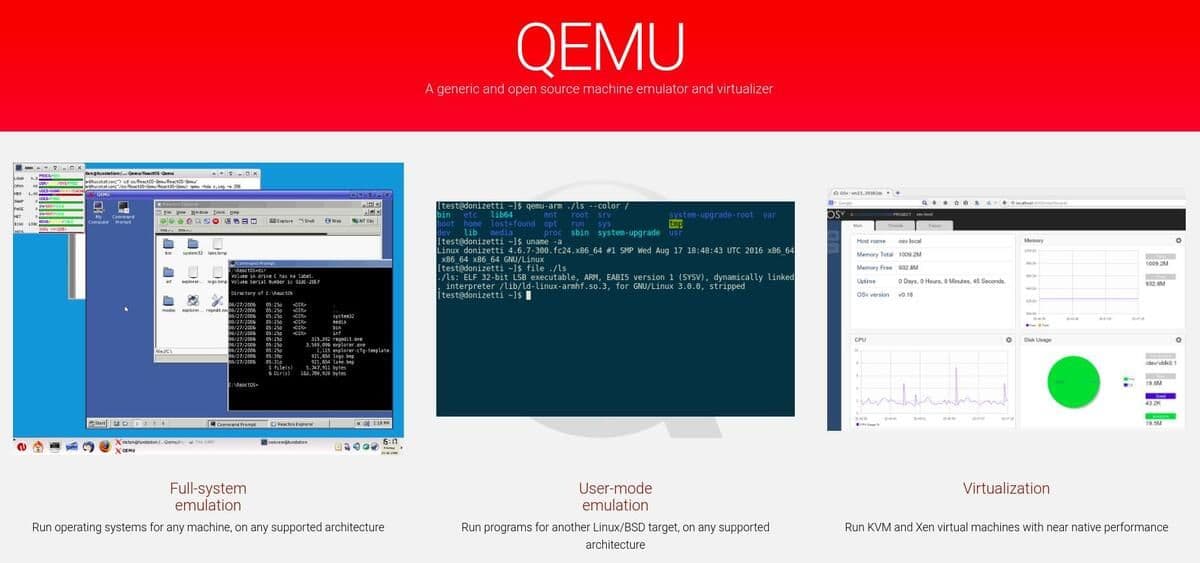
That automation is the story. The SplashEdit Control Panel downloads and configures the MIPS cross-compiler, the PCSX-Redux emulator for in-editor testing, and the mkpsxiso disc image tool without any manual setup. The historically painful part of PS1 homebrew — convincing a 1990s toolchain to cooperate on a modern OS — simply disappears. Compare this to PSn00bSDK, which describes itself in its own documentation as "not recommended for beginner use," or the legacy PSYQ commercial toolchain that shipped with original developer kits in the 1990s. PSXSplash targets a completely different audience: Unity-familiar developers with zero MIPS background.
Game logic is written in Lua rather than C++ or MIPS assembly, via a full API covering entities, UI, audio, cutscenes, and animations. The psxsplash runtime underneath is built on PSYQo, the open-source object-oriented C++ library for PS1 development maintained by grumpycoders as part of the PCSX-Redux project. PSYQo describes itself as "an opinionated yet lightweight and safe solution for modern development on the PS1." Developers never need to interact with it directly.
Knowing what PSXSplash handles automatically and what it enforces as a hard limit determines whether your project is a realistic fit. On the automatic side: texture quantization and VRAM packing, navigation mesh generation via DotRecast (a port of the industry-standard Recast navmesh library), and room/portal occlusion for interior scenes. That last feature required careful manual implementation in commercial PS1 development; SplashEdit generates it in one click.
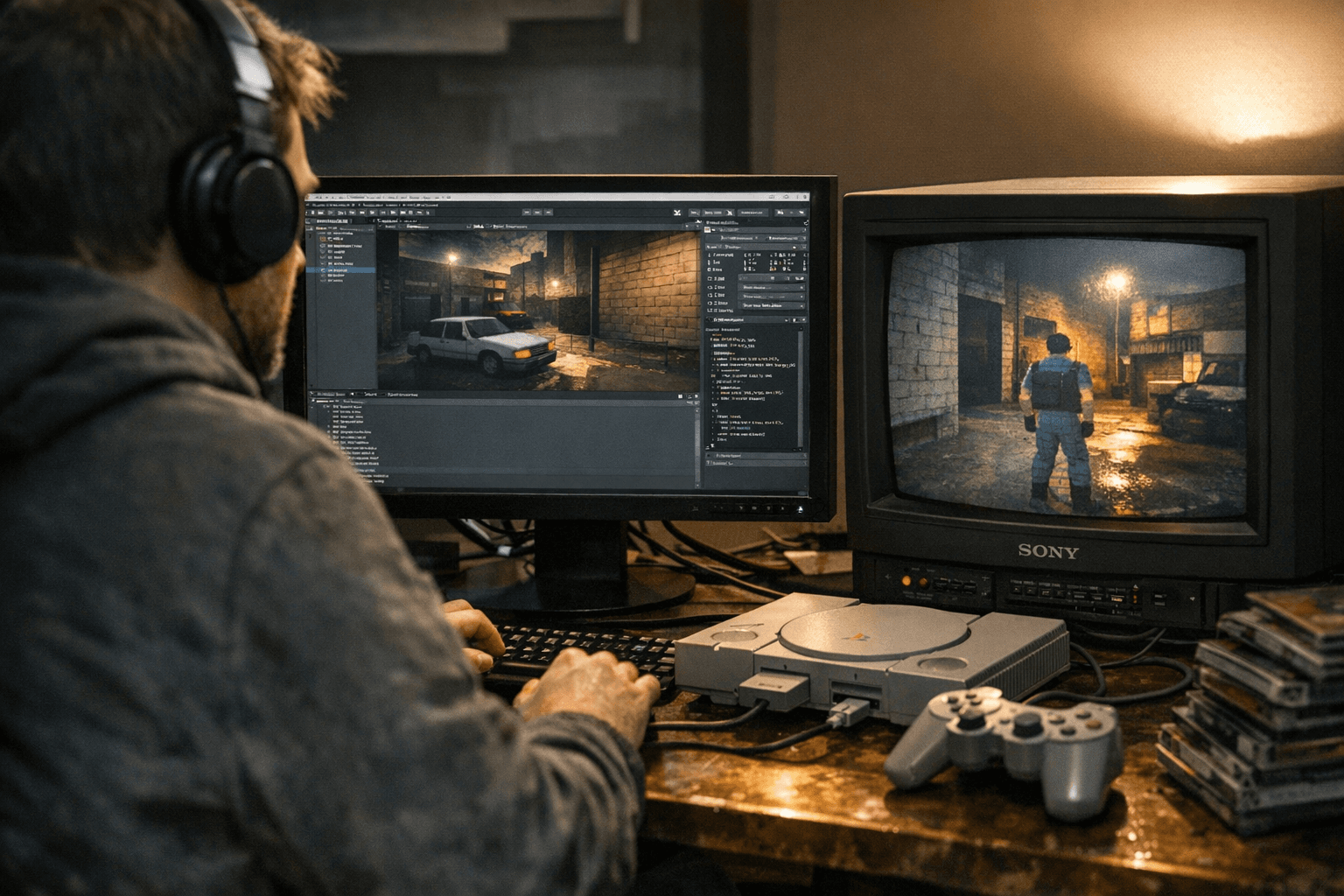
On the constraint side, no texture UV tiling. All UV coordinates must remain within the 0-1 boundary, a hard limit imposed by PS1 VRAM architecture that SplashEdit enforces at authoring time rather than silently breaking at runtime. Projects built around repeating textures need a redesign before they fit the platform at all. The practical sweet spot is interior and room-scale scenes, low-poly character pieces, narrative or mood-driven environments, and anything that benefits from the PS1's characteristic dithering and color depth rather than fighting it.
Zhamul's "Sauna," published in May 2025 and featured by PSX Homebrew Games as part of "2025: A Landmark Year for PlayStation Homebrew," is the clearest proof-of-concept before 2.0 even landed. A mood-driven exploratory PS1 scene built with an earlier version of the tooling, it remains the best-documented example of PSXSplash in the wild. Zhamul's own devlog called out the UV restriction as a real constraint encountered during production, making it an unusually honest record of where the workflow's edges are. Room-scale, atmosphere-first projects in that mold are where PSXSplash 2.0 makes its strongest case.
SplashEdit requires Unity 6000.0 or newer in Universal Render Pipeline mode on Windows or Linux. Export produces a PS1-compatible binary that runs on original hardware via burned disc or CD image, and in any PS1 emulator.
Know something we missed? Have a correction or additional information?
Submit a Tip