QEMU 11.0.0-RC2 Now Available, Pushing Closer to Final Release
QEMU 11.0.0-rc2 landed April 1, retiring machine types from version 8.0.0 and older, a shift that could silently break vintage OS testbeds before most people notice.
The QEMU project posted its second release candidate for version 11.0.0 on April 1, landing on qemu.org with signed tarballs, GPG signatures, and an attached changelog. For anyone running a vintage UNIX testbed on modern hardware, that date is worth circling.
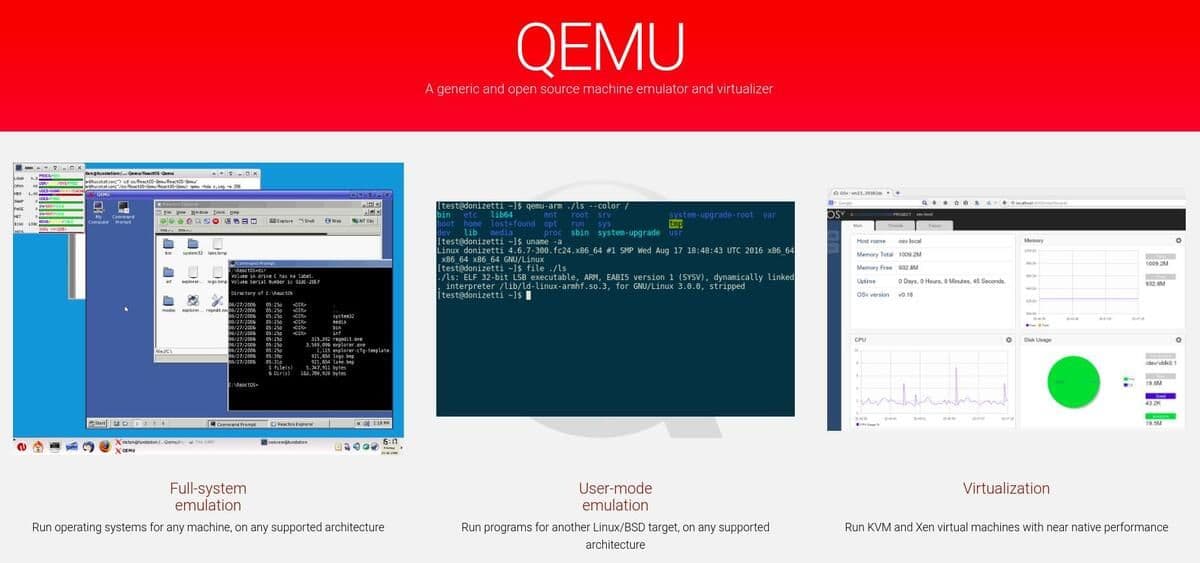
The scenario is familiar in the preservation community: you want to boot Solaris on a virtual SPARC, keep a PowerPC Linux environment alive through qemu-system-ppc for debugging old drivers, or maintain a MIPS-based workstation OS for archival purposes. QEMU has been the backbone of those workflows for years, quietly doing what dedicated retro emulators don't: emulating full system architectures at the machine level rather than targeting specific consoles or game libraries. The 11.0 series formalizes several changes that hit those setups directly.
The most consequential item in the 11.0 deprecation documentation is the retirement of all versioned machine types from QEMU 8.0.0 and older. If your launch scripts or CI configuration pins a machine type by version string to guarantee reproducible boots, and that string is 8.0.0 or earlier, 11.0 breaks your setup. That is exactly the kind of silent regression that preservation workflows absorb badly, because the failure often surfaces months after the QEMU upgrade, when someone tries to replay an archived experiment and gets nothing.
This is where rc2 matters as a test target. The project follows a structured release-candidate window, typically running from a hard freeze through rc1, rc2, at least one more candidate, and then a final release. Reaching rc2 means the tree is stable enough for downstream packagers and serious testers, but still open to bug reports before 11.0 final ships. Signed tarballs are posted at download.qemu.org under the filename qemu-11.0.0-rc2.tar.xz, with release manager Michael Roth's GPG key (CEACC9E15534EBABB82D3FA03353C9CEF108B584) covering all official release signatures.

Who should actually test it now? Distribution maintainers packaging QEMU for Debian, Fedora, or Arch are the obvious first wave, since they catch ABI breaks before they reach end users. But preservationists maintaining long-lived QEMU-backed environments should run their full boot sequences against rc2 before final drops and the change solidifies across package managers. The specific thing to watch: any machine type working under QEMU 10.x that fails or errors silently under 11.0 is a regression worth reporting upstream. The qemu-devel mailing list is the right venue, with subject lines tagged [REGRESSION] to separate genuine breakage from general bug traffic.
The 11.0 series also drops 32-bit Windows host support entirely, which matters less for UNIX preservation work but is relevant for Windows-based hobbyists who built portable retro environments on 32-bit MSYS2 toolchains. Those setups need a 64-bit host migration before 11.0 becomes the stable branch.
The window between rc2 and final release is short. If a vintage OS boot sequence or cross-arch build environment is part of any serious preservation setup, now is the right time to pull the tarball and find out whether 11.0 breaks anything before it becomes everybody's problem.
Know something we missed? Have a correction or additional information?
Submit a Tip