Ymir emulator nears full Sega Saturn compatibility with major update
Ymir pushed past 90% Saturn compatibility, fixing Akumajou Dracula X, region detection for Korea and Taiwan, and a Saturn Bomberman VDP2 effect.

Ymir now says it has crossed 90% compatibility across the Sega Saturn library, with most games running either flawlessly or with only minor issues. For Saturn fans, that means the emulator is no longer just a promising experiment, it is getting close to a point where you can revisit a lot of the system’s awkward, picky, and region-sensitive software without leaning on hacks or hardware workarounds.
The latest stable build, v0.3.3, landed two weeks ago and fixed a regression in Akumajou Dracula X. It also improved autodetection for Asia NTSC releases, specifically Korea and Taiwan, and added the VDP2 color gradation effect that matches Saturn Bomberman hardware output in the Egg Birdon boss fight. Those are the kind of fixes that matter when accuracy is the goal, because they push Ymir beyond basic booting and into the details that separate a merely functional Saturn emulator from one that actually reproduces the machine’s quirks.
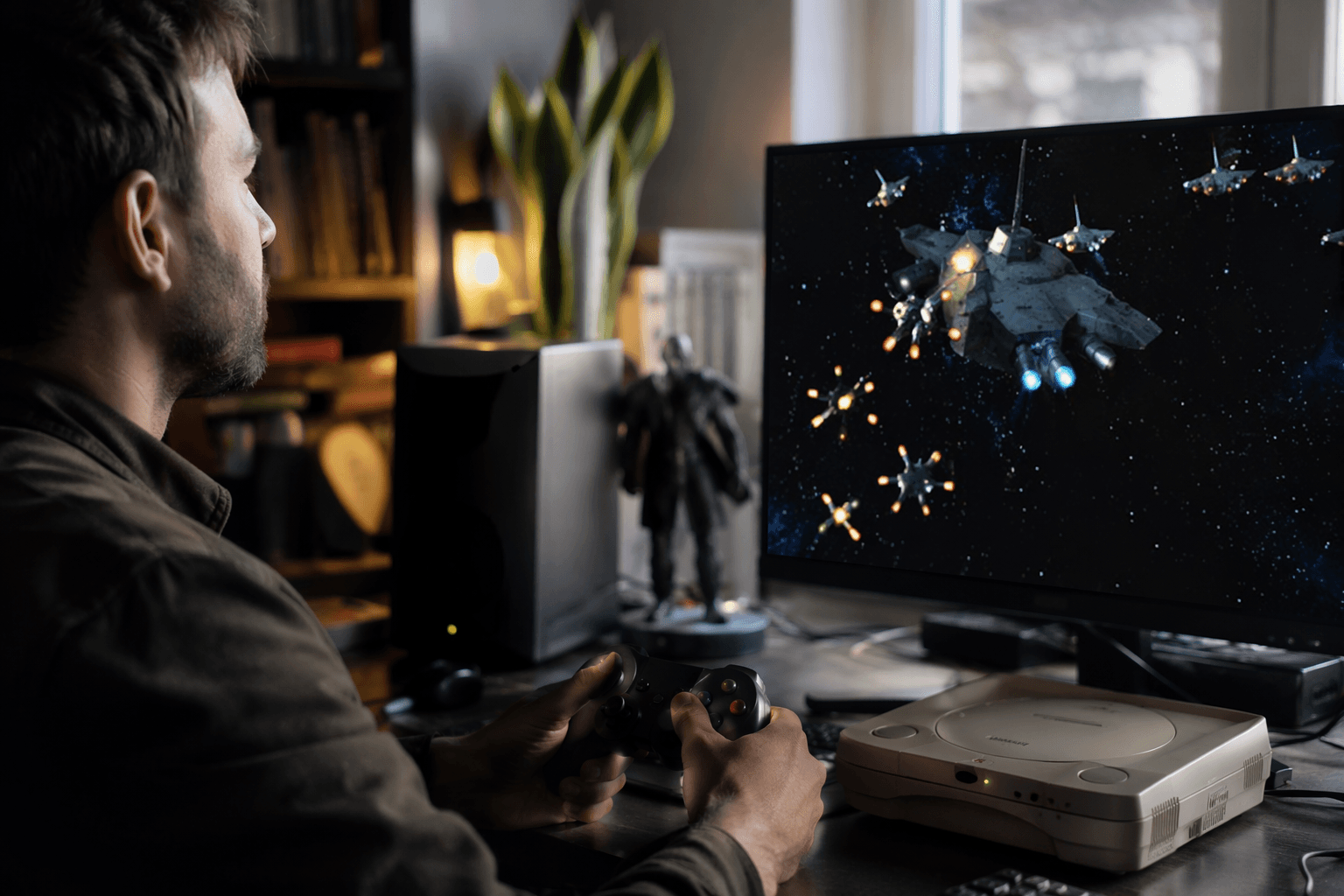
Ymir is still a work in progress from Ivan Oliveira, who develops under the StrikerX3 name, but the project’s own documentation now reads like a serious setup guide rather than a tech demo. It supports Windows 10 or later, macOS 15 or later, modern Linux distributions, FreeBSD, x86-64 CPUs and ARM chips, and it offers both stable releases and nightly builds. Earlier work added support for the Arcade Racer and Mission Stick peripherals, and the developer has been explicit that the target is not just casual play, but a robust emulator that homebrew developers and TAS creators can trust.
That push toward accuracy comes with the usual Saturn-emulation caveats. Ymir’s documentation warns that nightly save states are not guaranteed to work across builds, while stable save states are forward-compatible with later stable and nightly versions. Windows users also need the latest Microsoft Visual C++ Redistributable to avoid startup crashes, and the troubleshooting notes recommend the SSE2 build on older processors that do not support AVX2, including older Core i3 and i5 chips, Pentiums and Celerons. It also matters that the correct audio device is selected at startup, or Ymir can fail to launch cleanly.
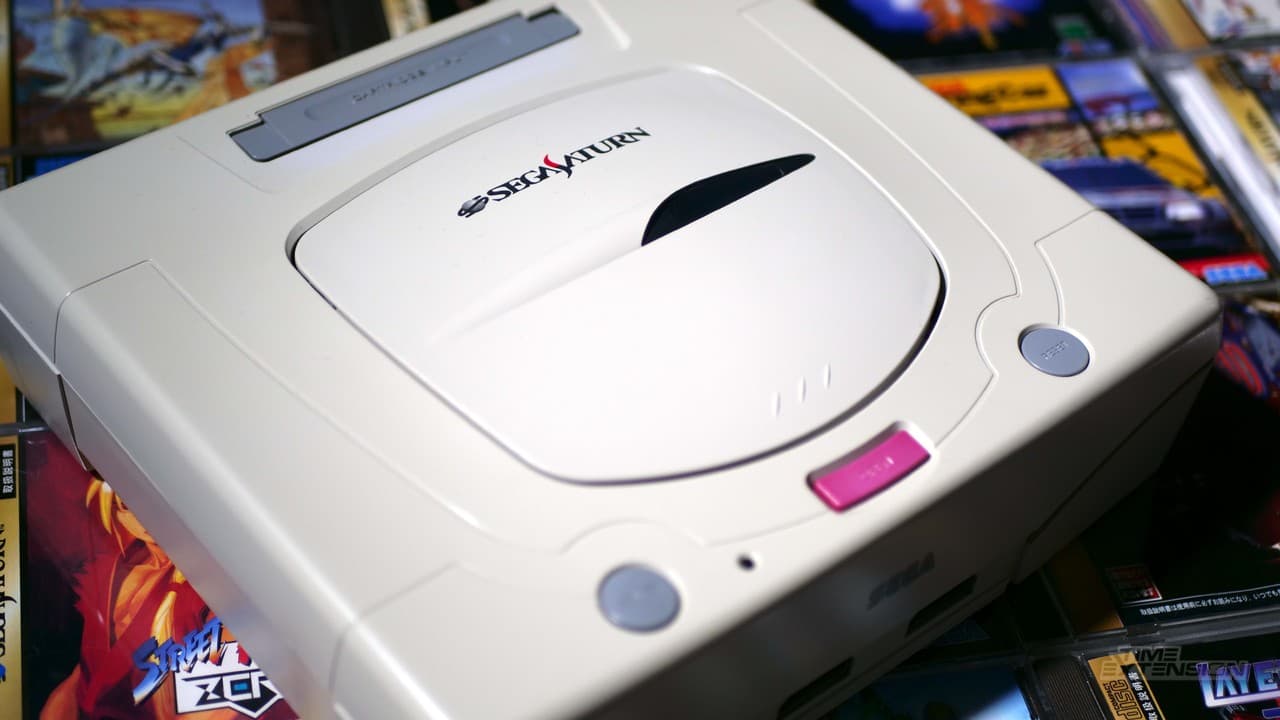
For anyone still bouncing between Mednafen, Yabause and SSF, Ymir is starting to look less like an alternative and more like a real contender. The old Saturn truth still holds, real hardware remains the reference, but Ymir is now close enough to the full library that the gap is narrowing fast.
This article was produced by Prism’s automated news system from verified source data, official records, and press releases, then run through automated quality and moderation checks before publishing. The system is built and supervised by the people who set the standards it runs under. Read our full AI policy.
Did this article answer your question?