JetBrains tackles RustRover false positives with Crater-like diagnostics system
RustRover is taking aim at the red squiggles that break trust, using a Crater-style system to compare IDE diagnostics with compiler output before users see the mismatch.
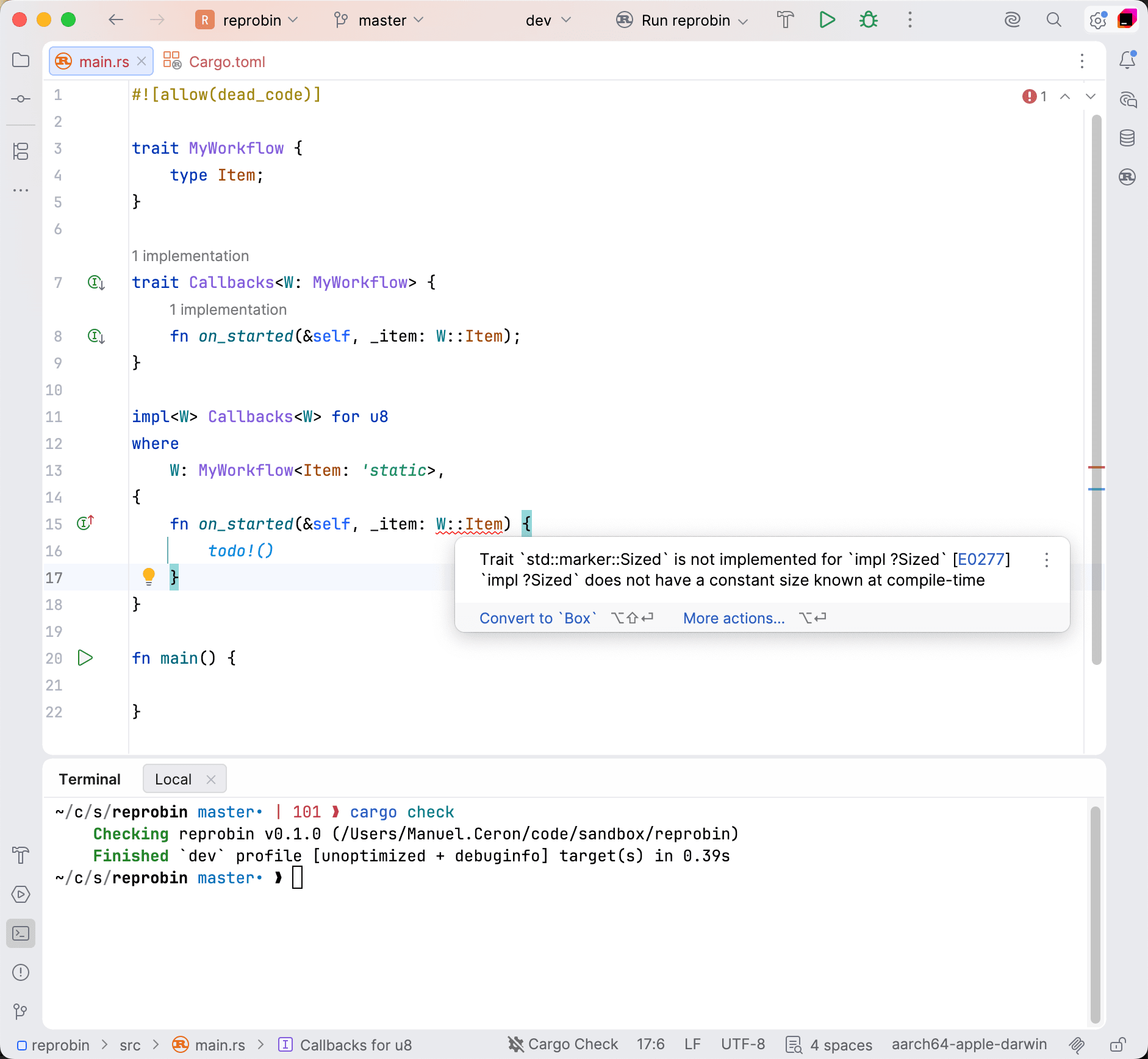
JetBrains is trying to solve one of the most annoying Rust editor failures: warnings that look authoritative but turn out to be wrong. In its June 9 RustRover update, the company said it is attacking false positives with a dedicated task force and an internal diagnostics system modeled after Crater, the Rust ecosystem’s large-scale compatibility checker.
The problem is easy to spot in day-to-day work. RustRover already runs cargo check or cargo clippy, but it also relies on its own analysis engine to power completions, refactors, go-to-definition, macro expansion, and other interactive features. That second layer has to reason about code that is still being typed, incomplete, or outright broken, and that is where mismatches can creep in. The result is the red squiggle problem: the editor says something is wrong even when the code compiles and runs correctly.

JetBrains’ answer is to compare IDE diagnostics against compiler output and flag discrepancies before they reach users. In plain terms, the company wants RustRover to get closer to a simple promise: if rustc accepts it, the editor should not panic about it. That is a practical trust issue, not just a cosmetic one. Every false positive trains developers to ignore the editor, and once that happens, fast feedback stops being useful.
The move also matters because RustRover is not trying to replace compiler-grounded tools like rust-analyzer so much as reduce the gap between editor intelligence and compiler truth. rust-analyzer already powers a lot of Rust’s day-to-day editing experience, but JetBrains is betting that large codebases need a second line of defense against phantom warnings. If the IDE can keep narrowing those mismatches, it becomes more reliable for teams that depend on quick feedback and do not want to stop and verify every warning by hand.
The same update cycle showed that JetBrains is working on both correctness and workflow at once. RustRover 2026.2 EAP added a run gutter icon for criterion_main! benchmarking and detection of unused traits in scope, a sign that the team is polishing both visibility and ergonomics while it builds out the diagnostics system. For Rust users, the bigger story is not the feature list itself. It is whether RustRover can keep pushing toward an editor that behaves less like a noisy commentator and more like a compiler-aware partner.
This article was produced by Prism’s automated news system from verified source data, official records, and press releases, then run through automated quality and moderation checks before publishing. The system is built and supervised by the people who set the standards it runs under. Read our full AI policy.
Know something we missed? Have a correction or additional information?
Submit a Tip