Rust Infrastructure Team makes GitHub Rulesets default for rust-lang/rust
Rust’s infrastructure team said rust-lang/rust now runs on GitHub Rulesets by default, after a Q1 migration started in April.
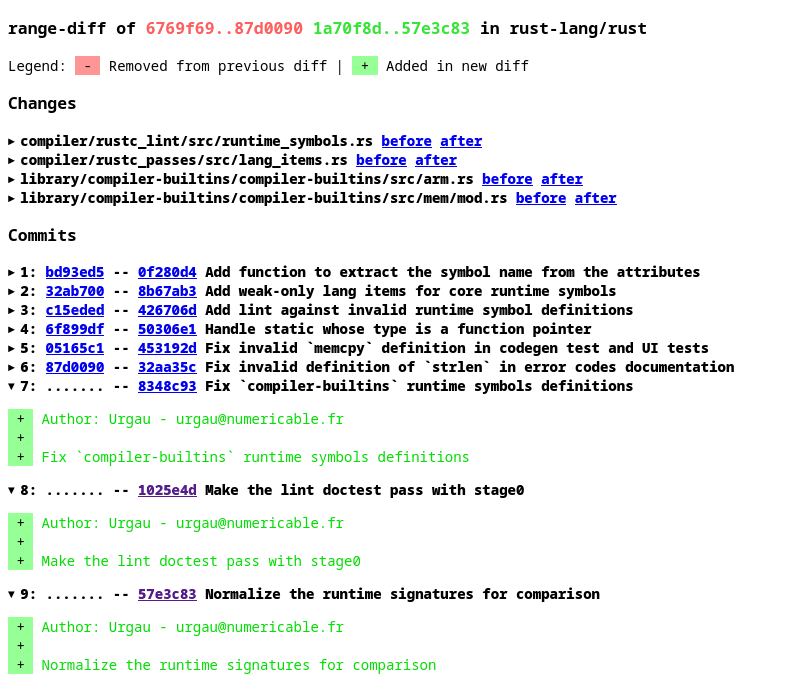
The Rust Infrastructure Team said rust-lang/rust has been migrated to GitHub Rulesets, and the rulesets are now the repository’s default protections. The update came in the team’s July 15, 2026 Q2 recap and Q3 plan, which also points back to the April 14 post, Infrastructure Team 2026 Q1 Recap and Q2 Plan, where the team said it had started the move from branch protection rules.
That shift matters because rulesets are the guardrails around how people can interact with branches and tags in a repository. GitHub’s documentation says anyone with read access can view them, while only admins or users with the right permission can create, edit, or delete them. For rust-lang/rust, making Rulesets the default means the main repository is now governed by one clearer protection model instead of a mix of older branch rules and newer policy.
The Rust Infrastructure Team’s coordination work is tracked in rust-lang/infra-team, which makes the group look less like a loose maintenance crew and more like an ongoing operations function inside the Rust project. The quarterly cadence matters too: the April 14 post laid out Q1 work and Q2 goals, and the July 15 recap closes that loop by showing the migration has moved from “started” to “default protections” over roughly one quarter.
For the Rust community, this is the kind of backend change that rarely gets applause but shows up everywhere else. A flagship repository with consistent protections is easier to reason about, easier to maintain, and easier to trust when code lands, reviews move, and release work keeps rolling. The headline is a GitHub settings change; the practical effect is a steadier contribution pipeline around the repo that anchors the language itself.
This article was produced by Prism’s automated news system from verified source data, official records, and press releases, then run through automated quality and moderation checks before publishing. The system is built and supervised by the people who set the standards it runs under. Read our full AI policy.
Did this article answer your question?