Bayreuther restores O’Day Mariner, making it seaworthy first
Bayreuther got his Mariner sailing by fixing the failures that mattered first. The lesson is simple: launch sooner, then sort the rest once the boat proves what needs attention.
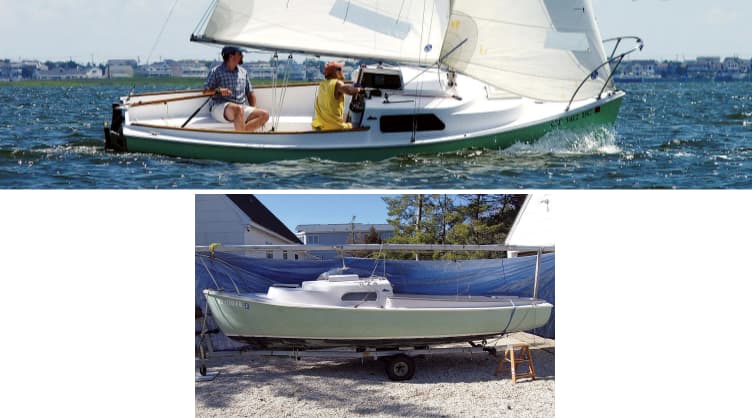
Bayreuther did not try to save his O’Day Mariner by making it pretty first. He made it sound enough to sail, got it on the water, and used real time aboard to decide what deserved the next round of labor. That is the right answer for a tired pocket cruiser: the useful question is not “What can I perfect?” but “What can I postpone without ruining the season?”
Make it seaworthy first
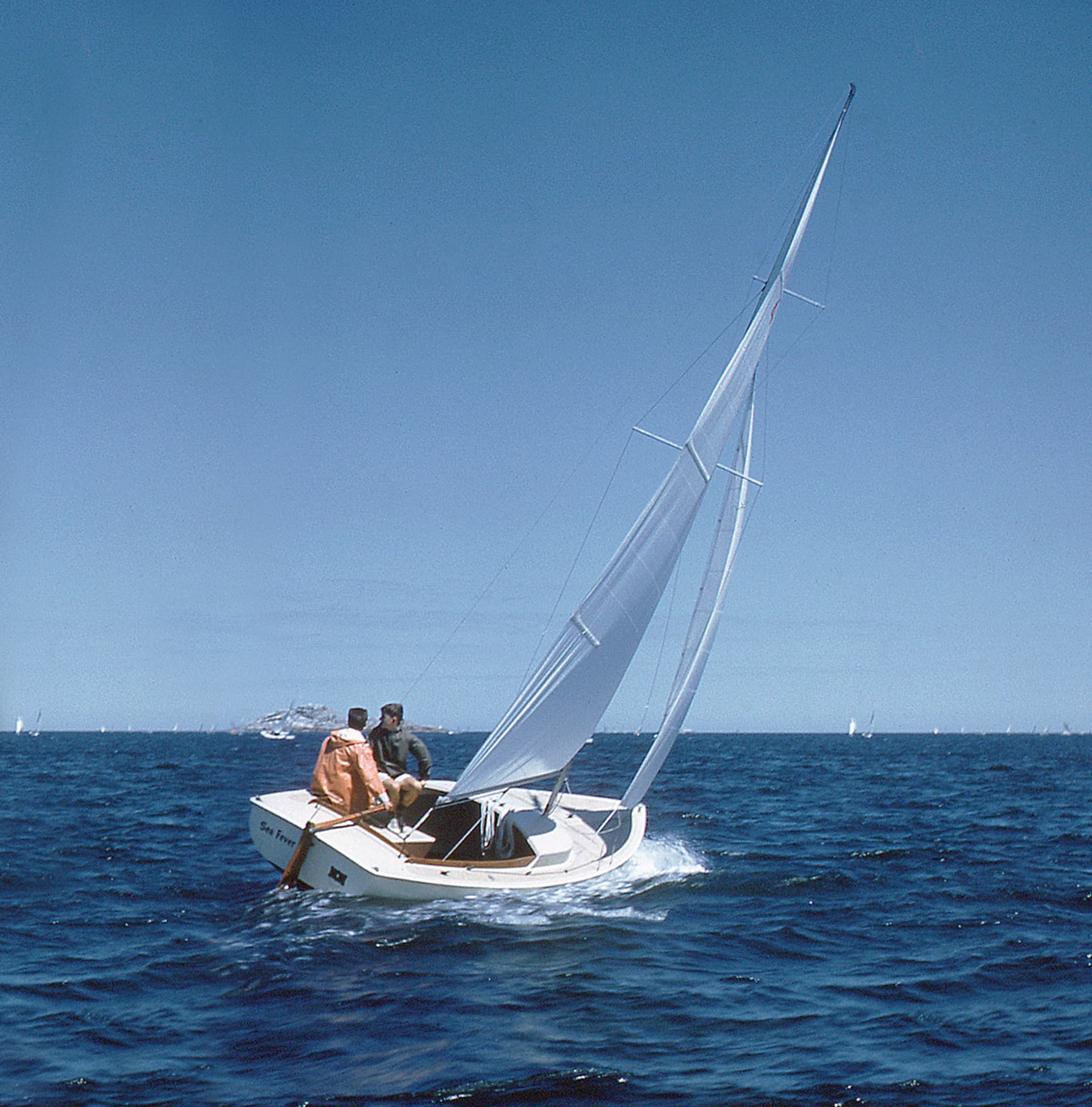
The boat itself gives the philosophy away. The O’Day Mariner is a 19-foot Philip Rhodes design that first appeared in 1963, and it was built to be an economical daysailer, racer, cruiser, and family boat rather than a floating project that eats whole summers. The class association says more than 4,000 have been built, and the design’s staying power shows why the platform still pulls people in. It is a simple, honest small boat, not a museum piece.
Bayreuther’s path to the Mariner was personal, not theoretical. He first saw one as a teenager while working at his family’s marina in Niantic, Connecticut, and the design stayed in his head long after that. After sailing a Dyer Dhow and hearing his wife say he needed a bigger boat, he bought a Mariner of his own. That kind of backstory matters because it explains why so many restorations stall: the owner falls in love with the idea of the boat before the boat earns its keep.
Triage the bad news before you chase the finish
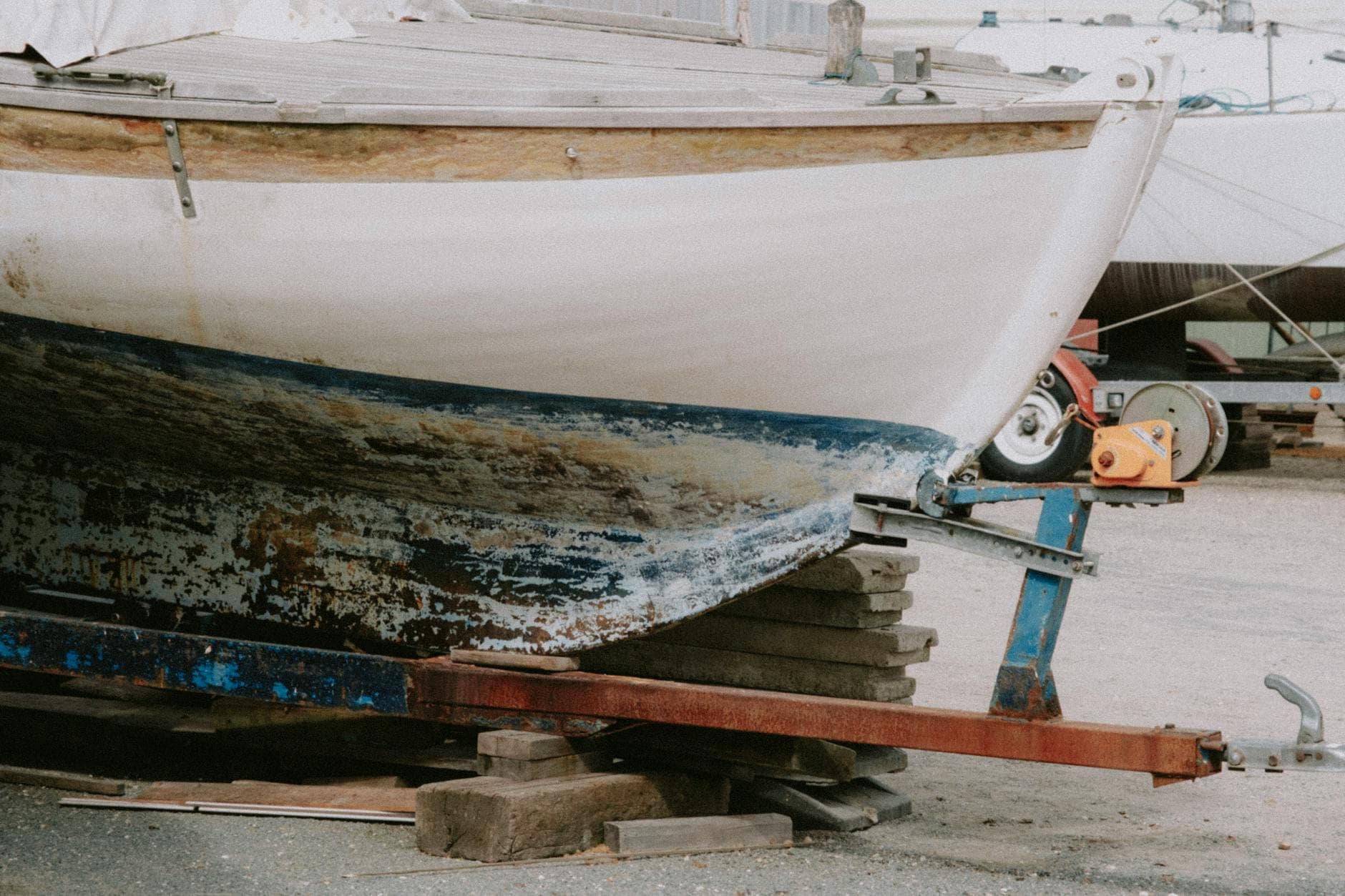
The Mariner Bayreuther bought needed more than a polish. The deck and hull had separated at the transom, the rubrail was damaged, the centerboard was heavily rusted, the mast step was sinking into the deck, the chainplates leaked, the portlights were crazed, and the gelcoat was faded and mottled. That is the sort of list that sends a lot of owners straight into paralysis, because it looks like everything is broken at once.
His father’s advice cut through that noise: do only what is needed to make the boat seaworthy and get it sailing as soon as possible. That is the whole game with an older pocket cruiser. Structural integrity and water tightness come first. Cosmetics, comfort tweaks, and “while I’m in there” upgrades can wait until the boat is proving itself on the water and you know where the real weak spots are.
For a Mariner, that approach makes even more sense because the design was built for practical sailing, not excess weight or luxury clutter. US Sailing describes the class as an economical daysailer, racer, and cruiser that supports family sailing opportunities while preserving one-design features. In other words, the boat rewards getting back to basics. If the hull is sound, the rig is secure, and the deck is dry, you have already solved the most important problems.
Fix the structure that can sink the season
The mast-step repair is the clearest example of doing the hard, smart job first. A rotten plywood deck core beneath the cabintop mast step had caused collapse, so Bayreuther cut out the damaged material, ground the area clean, replaced it with carbon-fiber G10, epoxied it in place, fiberglassed over it, then faired and painted the repair. That is not glamorous work, but it is exactly the kind of job that determines whether the boat can be trusted under sail.
The value of that sequence is practical: remove the bad material completely, bond in something stronger, seal it properly, and finish it so water does not come back through the same failure point. The result was stiffer and stronger than before, which is what you want from a structural repair on a small cruiser. If your own boat has a soft deck, a sinking mast step, or a core that has turned to mush, this is the model to follow before you touch anything cosmetic.
The same logic applies to the other problems Bayreuther faced. A leaking chainplate, a separated transom, and a rusted centerboard are not “later” issues if they affect rig security, structure, or control. Those are the fixes that preserve the sailing season. The crazed portlights, faded gelcoat, and damaged rubrail may be ugly, but they do not all belong on the same urgency list.
Use the boat to decide what comes next
This is where phased restoration beats endless refit mode. Once the boat is seaworthy, every sail tells you something useful. You find out whether the centerboard really needs a full overhaul now, whether the chainplate leak is still active, whether the deck repair feels solid under load, and whether the boat’s basic character is worth sinking more time into. Bayreuther’s approach let him learn the boat by using it instead of guessing from the dock.
That matters even more with the Mariner, because the design has always lived in active community use rather than in storage. The class association remains organized around events, one-design racing, and annual cruising gatherings, which keeps the boat in circulation and keeps knowledge fresh. The Mariner was first manufactured by George O’Day in 1963, and the class was founded in 1966 to encourage economical daysailing, racing, cruising, and family sailing opportunities. That lineage explains why a sensible restoration is usually about preservation of use, not perfection for its own sake.
Know the boat you are restoring
Part of making good decisions is knowing what the platform actually is. The Mariner is listed in specification sources at about 19.2 feet LOA with a fractional sloop rig and either centerboard or fixed-keel versions. One source lists the mainsail at about 117.77 square feet and the jib at about 61.97 square feet. Stuart Marine describes it as built directly from the Rhodes 19 hull, and that heritage helps explain why the boat feels familiar to sailors who like straightforward handling and compact proportions.
The design also evolved. A 1969 “2+2” version added a larger cuddy or cabin, showing that even this modest daysailer could adapt to changing expectations for small-cruiser comfort. Stuart Marine’s description of four sleeping berths, a potty locker, and a self-bailing cockpit tells you why the boat still makes sense for the kind of owner who wants a practical pocket cruiser instead of a marina ornament. Bayreuther’s restoration fits that exact mold: restore the fundamentals, then improve the livability once the boat has earned its place back in the water.
That is the real lesson in his Mariner. A tired older sailboat does not need every problem solved before launch, and it certainly does not need a cosmetic victory lap before it can go sailing. Bayreuther proved the better order: make it seaworthy, sail it, and let the season tell you what deserves the next round of work.
This article was produced by Prism’s automated news system from verified source data, official records, and press releases, then run through automated quality and moderation checks before publishing. The system is built and supervised by the people who set the standards it runs under. Read our full AI policy.
Did this article answer your question?