Beneteau and Fountaine Pajot launch shared electric sailing platform
Beneteau and Fountaine Pajot are betting standardization can cut the cost and complexity of electric sailboats, with seven brands sharing one platform.
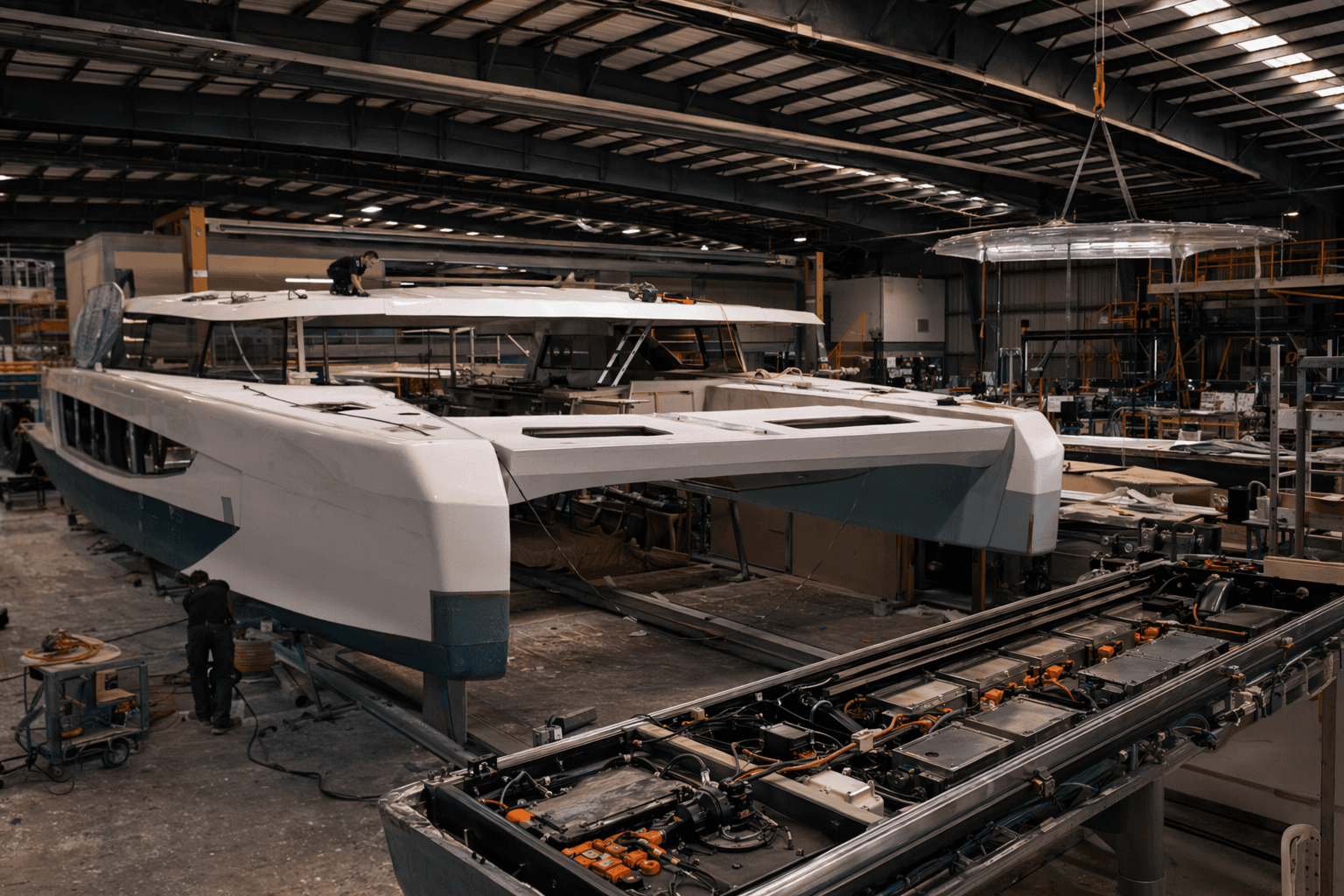
Beneteau and Fountaine Pajot are betting that electric sailing gets cheaper only when builders stop inventing separate systems for every boat. Their new 50/50 joint venture, E-LEKTRA MARINE, is meant to standardize propulsion and onboard energy systems across seven brands, a move aimed at making electric sailing easier to spec, simpler to install, and less punishing to support.
The platform was announced April 22 at the International Multihull Show in La Grande-Motte, France, and the companies are pitching it as an industrial shift, not a one-off green badge. The shared structure covers BENETEAU, JEANNEAU, LAGOON, EXCESS, Fountaine Pajot Sailing Catamarans, Fountaine Pajot Yachts, and Dufour, giving the two groups enough scale to push common components into more production boats and, in theory, drive down costs through volume.
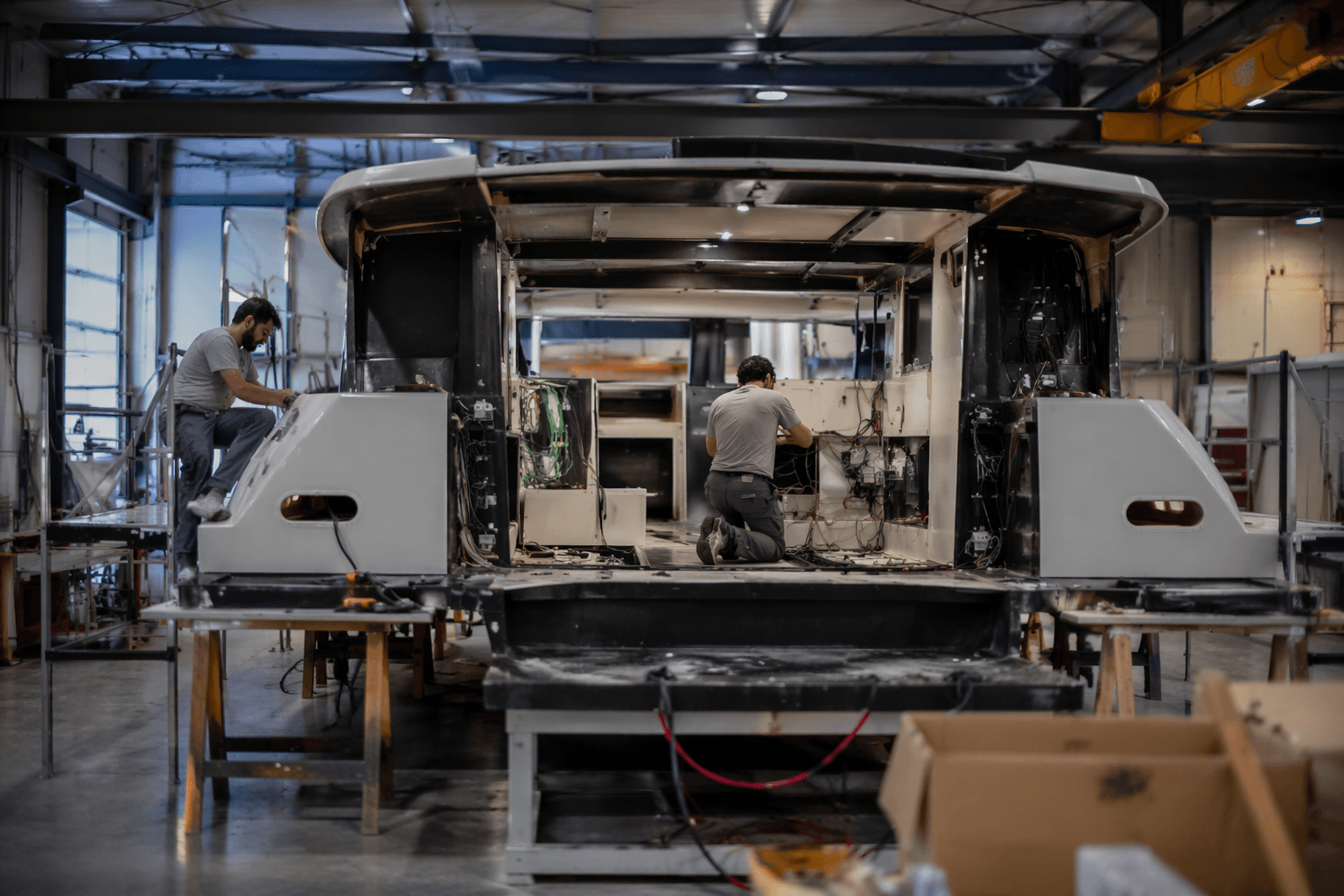
That matters because the real affordability test for ordinary owners is not whether an electric drive looks good on a brochure. It is whether the batteries, charging setup, wiring, controls, and hotel loads can be integrated without the kind of custom engineering that pushes a refit out of reach. Beneteau says more than 99% of sailboats still carry an internal combustion engine, usually for harbor maneuvering, calm-weather propulsion, or onboard power. In other words, electrification is not just about replacing one engine with another; it is about redesigning the boat’s whole energy system.
Beneteau says E-LEKTRA MARINE will define, specify and validate standardized propulsion and energy-management solutions for different boat sizes and uses. Groupe Beneteau chief executive Bruno Thivoyon has framed the partnership as a way to accelerate electrification through industrial cooperation and open standards, while Mathieu Fountaine of Fountaine Pajot says electrification needs to become accessible across the sailing market, not just at the top end.
The timing suggests the two groups are already moving beyond concept work. In its May 4 quarterly update, Groupe Beneteau said it had already made first sales of boats with 100% electric propulsion systems and rolled out 48V series-hybrid systems at the end of 2025. It also said high-voltage hybrid solutions are already available on the Lagoon 55 and Lagoon 60, and that the goal is to reach a 10% to 15% electric adoption rate in sailing by 2030.
Fountaine Pajot is pushing on the same front through its ODSeaLab innovation platform and Odysséa 2024 plan, which targets carbon neutrality by 2030. The company says the Aura 51 ODSea+ was the first hybrid-electric cruising catamaran and the Samana 59 Smart Electric REXH2 was the first hydrogen cruising-catamaran prototype. Its latest half-year results showed revenue of €136.2 million for September 1, 2025 to February 28, 2026, down 12.8%, with 88% of sales exported, even as it continues rolling out seven new models.
For DIY-minded sailors, the promise is clear: fewer bespoke systems, more compatible parts, and a better shot at retrofit-friendly packages. The reality will depend on whether standardization reaches the messy details that matter most, especially battery architecture, charging compatibility and installation complexity. That is where electric sailing will prove whether it is becoming mainstream or simply more polished.
This article was produced by Prism’s automated news system from verified source data, official records, and press releases, then run through automated quality and moderation checks before publishing. The system is built and supervised by the people who set the standards it runs under. Read our full AI policy.
Did this article answer your question?