Choosing the right boat cooker for comfort, reliability, and easy cleaning
The smartest galley upgrade is not the flashiest one. Match the cooker to your fuel system, space, and sailing style, and you get safer meals with less cleanup.
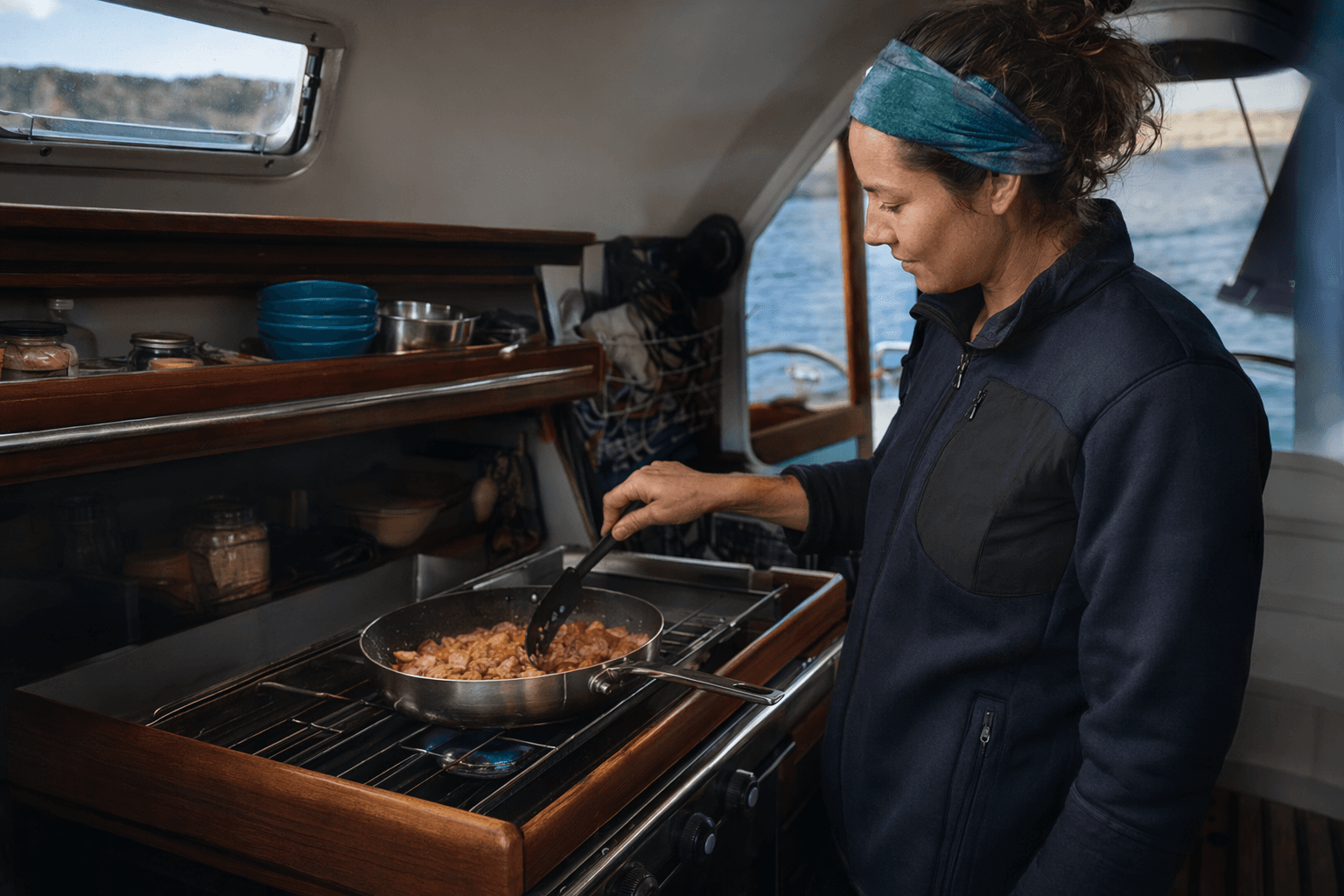
Why the cooker deserves real attention
A boat cooker is not just another bit of galley kit. It is one of the few upgrades that can change how the whole boat feels after a long day, because it affects whether crew can eat, drink, and settle down without turning dinner into a chore. Sailing Today’s guide makes the point plainly: a reliable, easy-to-clean cooker can be the difference between a good day sailing and a bad one.
That is why this decision belongs in the same conversation as seamanship and boat management. A cooker that works well in a moving cabin helps keep morale up on coastal cruises, weekend trips, and bluewater passages alike. It will not make the boat faster, but it can make life aboard calmer, warmer, and far more self-sufficient.
Start with the boat, not the brochure
The first question is whether the cooker actually fits the way your boat is used. Space matters, but not just in the sense of physical dimensions. On a small craft, every inch of galley room has to justify itself, and on a larger cruising boat the issue becomes whether the cooker layout supports real meal prep without cluttering the whole space.
Your boat size should shape the decision from the outset. A compact unit can be enough for simpler cooking on a weekend boat, while longer passages usually reward a setup that is easier to use underway and less tiring to clean after repeated meals. The best choice is the one that improves the way you already sail, not the one that looks most impressive on a dockside showroom floor.
Choose the fuel system before you choose the style
Fuel is the real dividing line in most galley upgrades. The market now spans propane, electric, diesel, compact portable burners, and gimballed marine ranges, so the question is less “what is available?” and more “what is realistic aboard my boat?” West Marine’s current range shows just how broad those options are, which is helpful, but it can also make the wrong decision easier to justify.
If your boat already has an LPG setup, that path may be the most straightforward, but it still needs to be matched to the right standard of installation. ISO 10239:2025 specifies requirements for permanently installed LPG systems and LPG-burning appliances on small craft, and the British Standards Institution summary also covers portable cooking appliances with internal LPG cartridges of 225 g or less, along with storage of all LPG cylinders. That means the fuel choice is never only about cooking style. It is also about how your boat is built, stored, and inspected.
Safety is part of the buying decision
LPG deserves respect because it behaves differently from air. The Boat Safety Scheme says LPG is heavier than air and can flow into cabins or engine spaces if it leaks, which creates an explosive vapour cloud. That is the kind of detail that should shape a purchase as much as burner count or oven size.
The same is true in compliance terms. Boat Safety Scheme gas guidance says inspections check LPG storage, gas systems, and connections to gas appliances, so a cooker upgrade is tied directly to the condition of the whole gas installation. In North America, ABYC’s standards list includes marine LPG-related standards, which shows that this is governed by formal technical rules there as well. If the galley change means reworking the fuel system, the safest choice is usually the one that adds the least complexity to an already sound setup.
Gimbaling matters more than people expect
A cooker that looks good in a marina berth can become a nuisance underway if it is not suited to motion. That is where gimbaling comes in. A gimballed range is designed to stay usable as the boat heels and moves, which makes it far more practical for real cooking at sea than a fixed stove that sends pans sliding at the first bit of chop.
This is one of the clearest examples of retrofit complexity affecting everyday life. If your sailing is mostly flat-water coastal cruising, you may not need the extra hardware. If you regularly cook while underway or head offshore, the ability to keep a pan level and safely supported is part of what makes the galley work at all. The right answer is the one that matches how often you actually make meals under way, not how often you imagine doing it.
Look for designs that are built for marine use, not adapted from home
Marine cookers have a long history for a reason. Dickinson Marine says it has been manufacturing cookstoves, barbecues, and heaters for nautical vessels since 1932, which is a reminder that this is equipment designed around small spaces, movement, and reliability. That history matters because marine use punishes flimsy fittings and awkward layouts very quickly.
ENO’s manuals show the kind of practical detail worth looking for. Their cookers use a thermocouple safety device on each burner and oven, automatically cutting off gas if the flame goes out. They also include a pan-holder set and a door-locking device, both of which make sense aboard where motion, spills, and rattling gear are part of normal life. These are not glamorous features, but they are exactly the sort that separate a dependable galley tool from a constant irritation.
Easy cleaning should be treated as a performance feature
Easy cleaning is not a luxury on a boat. It is the difference between a galley that stays usable and one that becomes a grim chore after every meal. In practice, that means looking for a cooker that keeps spills contained, has straightforward access for wiping down, and does not bury dirt in awkward corners that are hard to reach in a rolling cabin.
This is where the “no-fuss” part of the guide matters most. A cooker that is simple to wipe down after one-pan dinners or a quick breakfast supports real cruising life, because the crew spends less time scrubbing and more time recovering. On a passage, that can matter just as much as the meal itself.
A retrofit should improve the boat, not complicate it
Before you buy, ask how much change the new cooker will force into the boat. A permanently installed LPG appliance may deliver the most familiar cooking experience, but it also asks more of the gas system, the storage arrangement, and the installation itself. A portable cooking appliance with a small internal cartridge may be simpler in some boats, but it comes with different limits and still sits inside a regulatory framework.
That is why the best upgrades are usually the ones that reduce friction. If the cooker fits the space, matches the fuel system, and is easy to secure, clean, and inspect, it will quietly improve life aboard every time you sail. The right galley stove does not draw attention to itself. It just helps the boat feel warmer, safer, and more capable the moment the weather turns and dinner needs to happen anyway.
This article was produced by Prism’s automated news system from verified source data, official records, and press releases, then run through automated quality and moderation checks before publishing. The system is built and supervised by the people who set the standards it runs under. Read our full AI policy.
Did this article answer your question?


