Best wiring harnesses for boats and classic car restorations
The right harness can turn a stubborn old engine into a clean fix instead of a wiring nightmare. Match the connector, routing, and part numbers or you’re buying trouble.
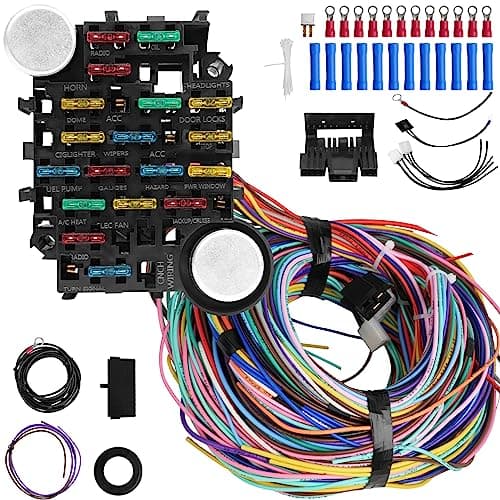
1. Direct replacement harness for the exact engine and remote box
This is the one that matters most on an older boat with flaky starting, charging glitches, or controls that feel haunted by intermittent faults. The best fix is a harness that matches the exact engine, remote box, and electrical layout already on board, because the wrong one can create new problems faster than it solves the old ones.
2. 8-pin marine wiring harness for Mercury and MerCruiser remote setups
When the boat uses a Mercury or MerCruiser remote control setup, the 8-pin marine wiring harness is the cleanest compatibility play. The appeal here is simple: the right OEM-style connector and the right routing length make it possible to swap in a harness without forcing the rest of the system into an ugly compromise.
3. Mercury Mariner harness for 20 to 125 horsepower engines
This is the practical fit for a wide spread of older outboard installations, especially where the engine sits in that roughly 20 to 125 horsepower range. The value is not just coverage, it is the chance to restore power and signal delivery with a harness that is built to line up with the existing engine package instead of asking you to reinvent the wiring.
4. Modular SystemCheck harness for outboard remote control systems
For outboard remote control systems, a modular SystemCheck harness earns its place because modularity matters when you are trying to keep an aging setup usable without turning the rig into a science project. This is the kind of harness that fits the broader theme of the guide: replace the weak link, keep the system readable, and avoid introducing intermittent faults into a control path that needs to stay boringly reliable.
5. Broad universal 21-circuit harness for classic car projects
The universal 21-circuit harness belongs at the top of a classic car restorer’s shortlist, not a boat owner’s, and that distinction matters. It is the broad, adaptable option in the group, but it is also the least specific, which means it makes sense when you are rebuilding a vehicle electrical system from scratch rather than matching a marine engine’s exact connector and routing requirements.
6. Marine-specific harnesses with labeled circuits and color-coded wires
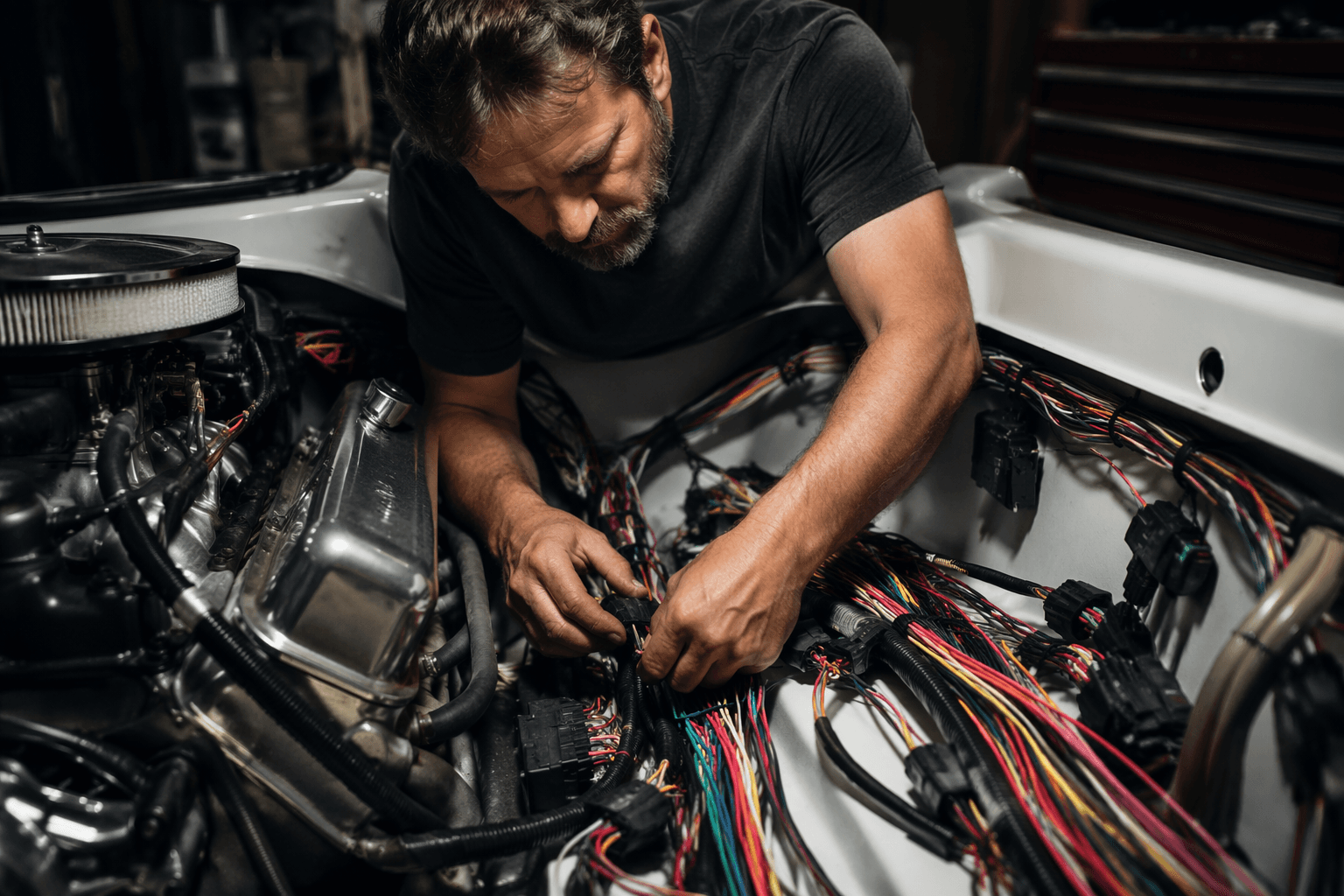
The detail that separates a useful harness from a future headache is what you can see before you ever bolt it in. Color-coded wires, labeled circuits, and multiple OEM part-number cross references reduce the chance of buying the wrong piece and make the job easier to trace later, which is exactly what you want when power and signal lines are feeding remote boxes, control modules, or ignition-related systems.
7. The right OEM-style connector and routing length
Compatibility is the whole game here, not a side note. The guide’s repeated warning to verify the exact model and year before ordering is the part worth underlining, because the connector shape and harness length determine whether the swap becomes a tidy repair or a tangle that never quite seats right.
8. Harnesses for DIY boat owners, restoration hobbyists, and professional installers
The list is really organized around three jobs: DIY boat owners trying to keep an older auxiliary alive, restoration hobbyists bringing a project back to life, and professional installers who need a replacement that fits cleanly the first time. The common thread is reliability under real use, whether that means an offshore start, a dockside restart, or a street car that just needs to stop acting like a gremlin factory.
9. The compatibility-first pick for older boats with aging controls
If your boat has old outboard controls, the best harness is not the most universal one on the shelf, it is the one that matches the exact engine, remote box, and electrical layout already installed. That is the real payoff of a harness swap: done right, it is one of the cleanest ways to de-risk an older propulsion or control system without chasing every electrical gremlin one by one.
10. The clean-fix mindset for boats and classic restorations
This whole ranking points in the same direction: harness choice is a compatibility decision first and a parts-buying decision second. If you get the connector, labeling, routing, and OEM cross-reference right, the result is a repair that feels invisible, which is exactly what you want when you are trying to trust an old engine or a half-restored project to start, charge, and keep running when it matters.
This article was produced by Prism’s automated news system from verified source data, official records, and press releases, then run through automated quality and moderation checks before publishing. The system is built and supervised by the people who set the standards it runs under. Read our full AI policy.
Did this article answer your question?


