boatyard chemicals can bite back, Practical Sailor warns sailors
The wrong stripper can turn spring prep into a toxic job fast. Practical Sailor's rule is simple: avoid the fume-heavy cans and read every label twice.
The dockside rule
The moment the yard starts buzzing and the old coating has to come off, the wrong can can do more than slow the job. Practical Sailor says the chemical aisle is crowded with “green,” “non-toxic,” and “safer” claims that often do not survive a close read, and OSHA treats surface prep as serious shipyard work because the hazards can include hazardous atmospheres, fire and explosion risks, respiratory hazards, corrosive and toxic materials, limited access, and confined-space trouble. Surface preparation can be as light as a wipe-down or as hard as a full stripping job, which is exactly why the boatyard is no place to trust a vague label.
Methylene chloride: the can to leave on the shelf
This is the one Practical Sailor puts at the top of the danger list, and for good reason. OSHA says methylene chloride exposure can happen through inhalation or skin absorption and can raise the risk of cancer, heart effects, central nervous system effects, liver effects, and skin or eye irritation. EPA banned consumer paint and coating removers containing methylene chloride in March 2019, with the prohibition fully effective on November 22, 2019, and then finalized broader prohibitions and workplace protections in April 2024. The Consumer Product Safety Commission also issued consumer safety guidance on November 22, 2019, which tells you how seriously federal agencies take this solvent.
Practical Sailor also points out the compliance mess that follows methylene chloride around. It calls the chemical a listed hazardous waste, code F002, so contaminated paint sludge is still hazardous waste even after it dries. That matters on a dock, where the temptation is to treat the brown goo in the tray as just another mess to scrape into a bag. CDC-reviewed literature says dichloromethane has been under regulatory scrutiny since the mid-1980s, and a 2013 case report described two workplace incidents that caused three intoxications, two fatalities, and one hospitalization. Fast-acting stripper is not a badge of honor when the faster result is a closed-casket outcome.
NMP: the “safer” stripper that still bites
N-methylpyrrolidone, or NMP, is the other big trap for sailors trying to avoid the obvious bad actor. Practical Sailor says it absorbs rapidly through the skin and warns that even gloves and respirators may not provide adequate protection for longer exposures, which is the sort of detail that separates a decent label from a useful one. EPA found unreasonable-risk conditions for NMP, including developmental effects from acute inhalation and dermal exposure and reproductive effects from chronic inhalation and dermal exposure, and it proposed a risk-management rule in June 2024. The irony is hard to miss: several newer strippers marketed as safer still lean on NMP, which shifts the hazard instead of removing it.
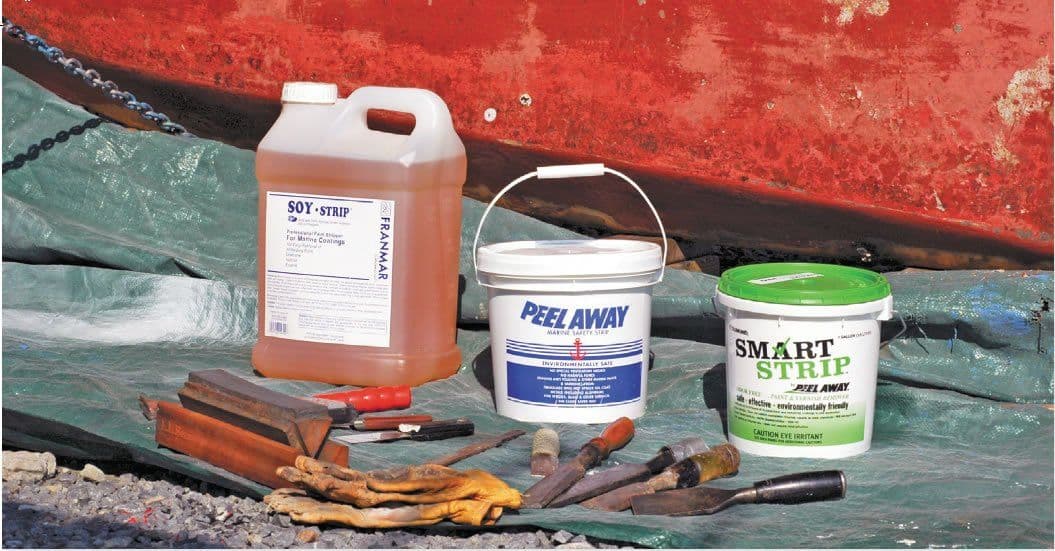
Practical Sailor’s answer is not blind faith in the word “green.” It says Dumond Smart Strip is the only NMP-free paint stripper that tested well for the magazine, which is the kind of concrete product note sailors actually need before a yard job. That does not make every NMP-free product a winner, but it does give you a real starting point: if the can still hides NMP under a friendlier label, it is not the easy answer the marketing copy wants you to believe.
Lye-based removers and drain-cleaner chemistry
OSHA’s shipyard guidance lists sodium hydroxide, also called lye, as a corrosive alkali used in chemical paint strippers and removers, alongside corrosive acids and chlorinated hydrocarbons. ATSDR and CDC materials note that sodium hydroxide is common in commercial drain and oven cleaners, and CDC’s toxicology guidance identifies it plainly as caustic lye. That is the dockside pitfall: caustic does not mean gentle, it means aggressive, and on a boat that aggression can get you fast if a splash lands on skin or sits against a surface longer than you meant.
This is where skin exposure matters as much as vapor. CDC says dermal absorption happens when a chemical passes through the skin and travels into the body, and many workplace chemicals, including organic solvents, can damage organs that way. OSHA says most chemicals are readily absorbed through the skin and can contribute to the dose you breathe as well, which is a reminder that a glove is only part of the solution when you are working around a cockpit, bilge, or tight locker. In other words, the product can hurt you before it ever makes the hull look better.
Acid cleaners and chlorinated solvents: useful, but not casual
OSHA also names corrosive acids such as hydrochloric and phosphoric acid, plus chlorinated hydrocarbons such as trichloroethane, in the chemical-remover lineup. Those are not “detail spray” products for a Saturday wipe-down; they are serious surface-prep chemicals that belong in a controlled setup with real ventilation and eyes open to the fumes. On a boat, where the air can sit still and compartments can trap vapors, the problem is not just what the chemical does to the coating. It is what it does to the person handling it and the space around it.
How to buy and use the least risky option
The practical takeaway is straightforward: read the solvent name first and the marketing second. Practical Sailor says to treat chemicals the way you treat power tools, useful but capable of biting back, and the federal guidance backs that up with a simple rule set: avoid methylene chloride, be skeptical of NMP, and assume skin exposure matters as much as inhalation when you are choosing gloves, ventilation, and a work plan. OSHA’s shipyard guidance also makes the confined-space issue plain, so the smart move is to keep stripping and cleaning jobs as open to air as possible and to treat any sludge, scrape, or leftover remover with the same respect you would give a hazardous shop waste.
- If a can lists methylene chloride, walk away.
- If it leans on NMP, assume the “safer” claim needs scrutiny.
- If it is lye-based or acid-based, treat it as corrosive shop chemistry, not a casual cleaner.
- If the job is in a tight compartment, remember OSHA’s confined-space warning and plan the ventilation before you open the lid.
- If the stripper works too well, check the waste handling, because methylene chloride sludge can still be hazardous waste even when it looks dry.
The yard will always have a can promising to make the ugly part disappear in one easy pass. The better move is the one that strips the paint, leaves the seal, finish, and lungs intact, and lets you walk back to the dock under your own power after the job is done.
This article was produced by Prism’s automated news system from verified source data, official records, and press releases, then run through automated quality and moderation checks before publishing. The system is built and supervised by the people who set the standards it runs under. Read our full AI policy.
Did this article answer your question?