Build a Low-Cost Automated Fog Horn for Small Craft Safety
Build a compact 12V automated fog horn using a PIC12F1572 MCU and heavy-duty relay to handle 4A-25A loads while meeting Colregs sound guidance.
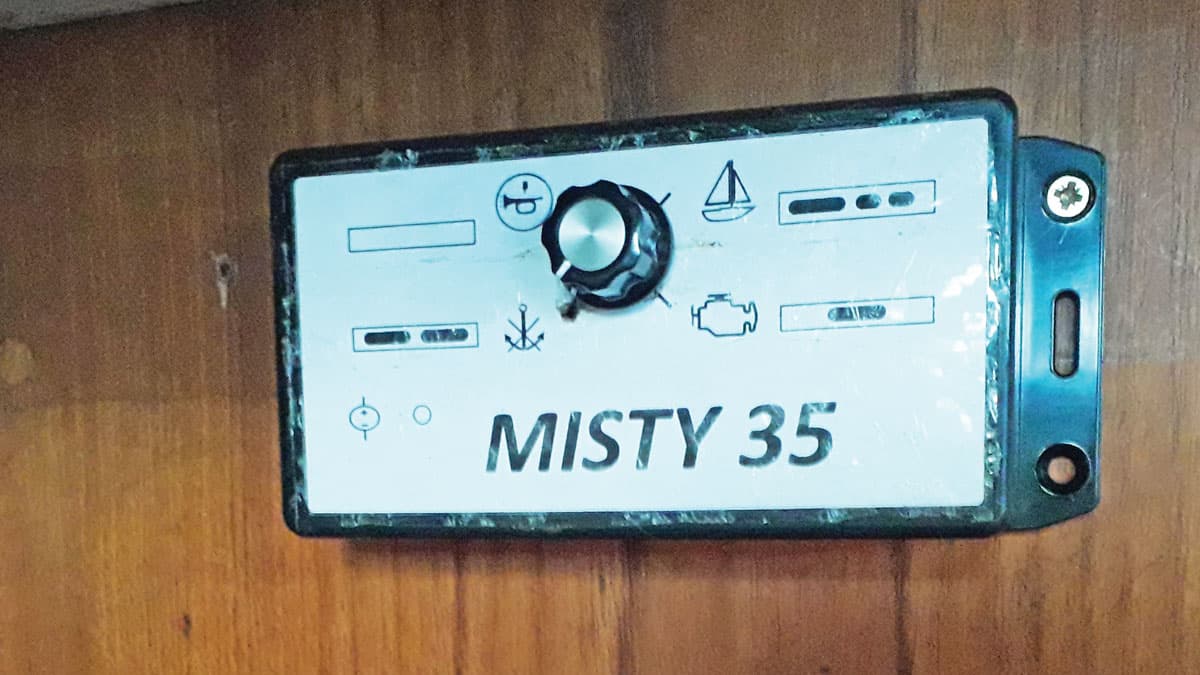
A compact, low-cost automated fog horn that runs on a boat’s 12V system gives you a reliable audible safety layer in restricted visibility. GetBoat’s Alexandra Dimitriou published a practical DIY guide on March 3, 2026 explaining a build that centers on a PIC12F1572 microcontroller, a heavy-duty relay with large contacts, and a Hammond 1591CFLBK enclosure to balance cost, reliability and compliance.
Why this matters now Fog and restricted-visibility incidents still account for close calls in coastal cruising and day-sailing. The guide’s core promise is simple and immediate: fit an inexpensive, compact unit that integrates with onboard sensors and can issue consistent audible signals required under collision regulations. The design targets small craft owners and charterers, including yachts, small day boats and liveaboards, who want an automated backup to manual blasts.
Key components and what they do The electronic heart is the PIC12F1572 MCU, chosen to run automated sequences and interface with sensors on a 12V boat system. Output switching is handled by a heavy-duty relay with “large relay contacts” sized to tolerate the horn’s current draw. The Hammond 1591CFLBK enclosure is the box selection cited in the guide, chosen because practical constraints of current, wiring and vibration drove that choice. You will still need a horn or transducer sized to deliver the required sound levels; the guide frames the design around electrical and mechanical robustness rather than a specific horn SKU.
Electrical design constraints you cannot ignore “A fog horn drawing between 4A and 25A at 12V requires a relay rated for the peak current, heavy-gauge wiring, and secure terminals—practical constraints that drove the choice of a Hammond 1591CFLBK enclosure and large relay contacts for this DIY unit.” That single sentence from the guide sums up the wiring and switching problem: the unit may demand as little as 4 amps or as much as 25 amps at 12 volts, so spec the relay and conductor sizes to the top end of that range. The guide explicitly highlights heavy-gauge wiring and secure terminals, and insists on appropriate breaker protection and mounting to protect both equipment and crew.
Mechanical mounting and vibration readiness “Because fog horns can produce sound levels in the order of 115 dBA (the Colregs recommendation for some small-craft audible signals), the electrical design and mechanical mounting need to accept high currents and vibration without loosening.” That means choose mounting hardware rated for vibration, secure the Hammond 1591CFLBK enclosure with lock washers or vibration-resistant fasteners, and route heavy conductors with strain relief so terminals cannot work loose under repeated blasts or engine vibration. The guide treats mounting as part of safety: poor mechanical practice here can create shorts, heat, and failures when you need the horn most.
Control: automated sequences and manual blasts Automation is built in, but manual backup remains a must. “Relay terminals are paralleled with a large manual emergency push button at the helm so that automated sequences and manual blasts can both be issued.” Wire the relay coil and the manual emergency push button in parallel so either the MCU-driven sequence or the helm button can energize the relay. That arrangement gives you sensor-triggered fog signals during restricted visibility and an instant manual blast if you spot a hazard.
A practical install sequence Follow a clear, repeatable process to keep the build safe and testable: 1. Layout and dry-fit: mount the Hammond 1591CFLBK enclosure where it can be secured against vibration and reach the horn power run without long unprotected conductor runs. 2. Fit switching hardware: install a heavy-duty relay with contacts rated above 25A continuous and with margins for inrush; secure terminals inside the enclosure with locknuts or captive hardware. 3. Wire power and protection: run heavy-gauge wiring between battery, breaker, relay and horn, and add a breaker sized for the peak current you expect. The guide stresses breaker and mounting details to protect equipment and crew. 4. Hook up the PIC12F1572: program and mount the MCU to manage timed blasts or sensor inputs, then parallel the relay coil to the large manual push button at the helm. 5. Test on land: confirm relay operation, timed sequences, and manual push-button function; inspect terminals for heat or movement. 6. Sea verification: check mounting and wiring under typical vibration and run the horn at operational duty cycles to watch for loosening or overheating.

- Treat the Hammond 1591CFLBK enclosure not as an aesthetic choice but as a mechanical decision driven by contact spacing and conductor routing.
- Protect terminals against corrosion and ensure access for testing; the guide emphasizes secure terminals as part of electrical safety.
- Use the manual emergency push button at the helm in parallel with the relay to ensure redundancy and immediate control.
Tips and small details
Safety, compliance and design tradeoffs GettyBoat frames the approach as one that “balances cost, reliability and compliance while highlighting wiring, breaker and mounting details that protect both equipment and crew.” That tradeoff is real: lower part cost can be acceptable only if you avoid underspec’d switching, thin wiring, or flimsy mounting that will fail under 115 dBA operating conditions. The guide ties the need for robust parts back to Colregs guidance by noting the 115 dBA figure as a design driver rather than promising a measured output from this specific build.
What the guide does not tell you The source text leaves several specifics open. It does not name a particular relay manufacturer or part number beyond describing the relay as heavy-duty with large contacts. The horn or transducer model and measured SPL are not specified. Wiring gauge numbers, exact breaker amp ratings, and mounting hardware part numbers are not provided. The guide offers a design path and component names, but you will still need to match wire size and breaker to your actual horn and installation scenario.
Platform context and odd site artifacts The guide appeared on GetBoat, a platform described in the supplied text as a global, user-friendly solution for booking and buying boats with transparent listings to evaluate vessels by make, model and ratings. The supplied source files also included localization artifacts such as the string “Uygulama indirme” and locale codes like tr_TR, en_GB, ru_RU, ja, ko_KR, es_ES and fr_FR. These are site interface fragments present in the source text and do not affect the technical build, but they reflect the guide’s presence on a multilingual site.
Closing takeaway If you want a practical, low-cost audible safety upgrade: start with the PIC12F1572 controller, a heavy-duty relay rated for the peak current in the 4A to 25A range, and a Hammond 1591CFLBK enclosure, then design your wiring, breaker and mounting so they resist vibration and heat. “The approach balances cost, reliability and compliance while highlighting wiring, breaker and mounting details that protect both equipment and crew.” With those constraints observed you gain a compact, automated fog horn system that gives consistent, manual and automatic signaling suitable for small craft safety needs.
This article was produced by Prism’s automated news system from verified source data, official records, and press releases, then run through automated quality and moderation checks before publishing. The system is built and supervised by the people who set the standards it runs under. Read our full AI policy.
Did this article answer your question?