Build Your Own Carbon Fibre Spinnaker Pole, Save Around £1,500
Colin King built his own carbon fibre spinnaker pole for under £1,000, saving £1,500 on the £2,500 retail price with basic DIY skills.
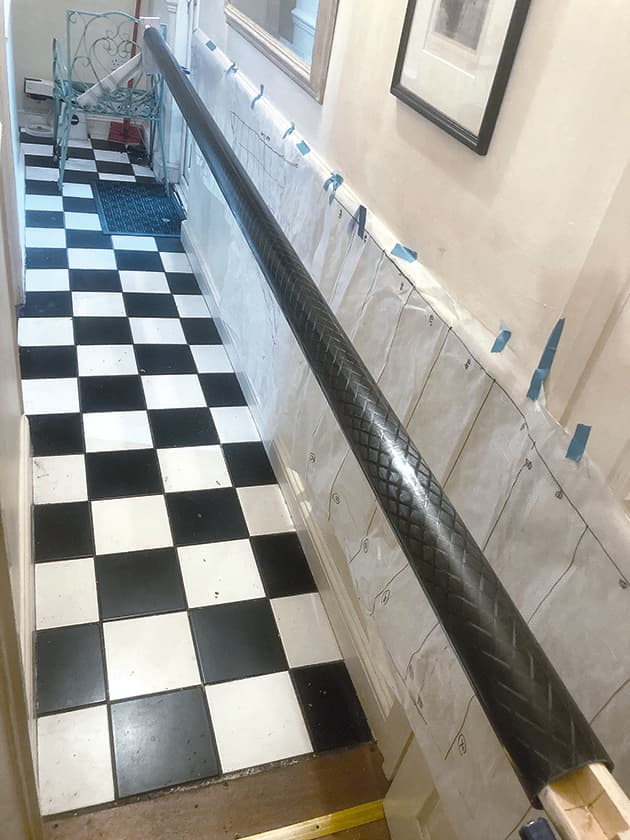
Carbon fibre spinnaker poles retail for around £2,500 for a finished unit up to 4m long. Colin King, writing in Practical Boat Owner, built his own for no more than £1,000 by sourcing a bare carbon tube, end fittings, bridle lines, a release line, and protective lacquer separately, pocketing a saving of roughly £1,500 in the process. If that number alone isn't enough to get you reaching for your tape measure, the weight argument almost certainly will be.
Why aluminium poles belong in the past
Traditional aluminium poles are undeniably heavy, and as King puts it with characteristic bluntness: "not all of us have a gorilla on our foredecks to move a heavy pole around!" Carbon fibre poles are typically 40% lighter than their aluminium equivalents, and on a boat up to 35ft that difference is felt every time you set the kite, gybe, or stow the pole back in its chocks after a breezy run. The foredeck crew will thank you. Your back will thank you even more.
The weight saving is not just about comfort, either. A lighter pole is easier to manage single-handed or short-handed, reduces the load on the pole car and mast track hardware, and lowers your centre of gravity when the pole is stowed vertically. For anyone racing, the performance case is straightforward; for cruisers, it is simply a quality-of-life upgrade that pays for itself in reduced fatigue on longer passages.
Who actually needs a spinnaker pole in 2026?
The growth of asymmetric cruising chutes has led some sailors to assume the spinnaker pole is a dying piece of kit. King addresses this directly: "The trend for asymmetric cruising spinnakers is growing but there are still a great many boats up to 35ft in length, like my Contessa 32, that use symmetrical sails for cruising or racing, and you'll need a pole for these and to pole out a genoa."
If your boat carries a symmetrical spinnaker, or if you regularly pole out a genoa on a dead run, you need a functional, properly sized pole. A carbon one at a fraction of the retail cost is a compelling reason to stop putting the project off.
Getting the length right
Before ordering any tube, establish your required pole length. For King's Contessa 32, the Class Rules for racing stipulate a maximum pole length of 3,868mm, and he notes that other boats of similar length are likely to have poles of approximately the same length. Checking your own class rules, or measuring your existing pole if you have one, is the essential first step. Finished poles are available up to 4m long, so the DIY route covers the full range of lengths relevant to this class of boat.
If you are racing under class rules, work to the maximum permitted length unless you have a specific tactical reason not to. If you are purely cruising, match your existing pole or consult your sailmaker for the optimum length relative to your J measurement.
The numbers: what you spend versus what you save
The cost comparison is stark. A complete, ready-to-sail carbon fibre pole up to 4m long typically costs around £2,500. Taking the DIY route, the cost of purchasing a bare carbon tube plus end fittings and all the associated consumables, including lines for bridles, a release line, and protective lacquer, would typically be no more than £1,000. That is the source of King's stated £1,500 saving, and it is not a rounding trick: the two price points are clearly separated by the components you assemble yourself rather than pay a manufacturer to fit.
It is worth noting that the sub-£1,000 figure covers parts and consumables. Factor in a small margin for adhesives or any additional hardware specific to your boat's pole system, but the headline saving remains substantial even with modest contingencies built in.
What the build involves
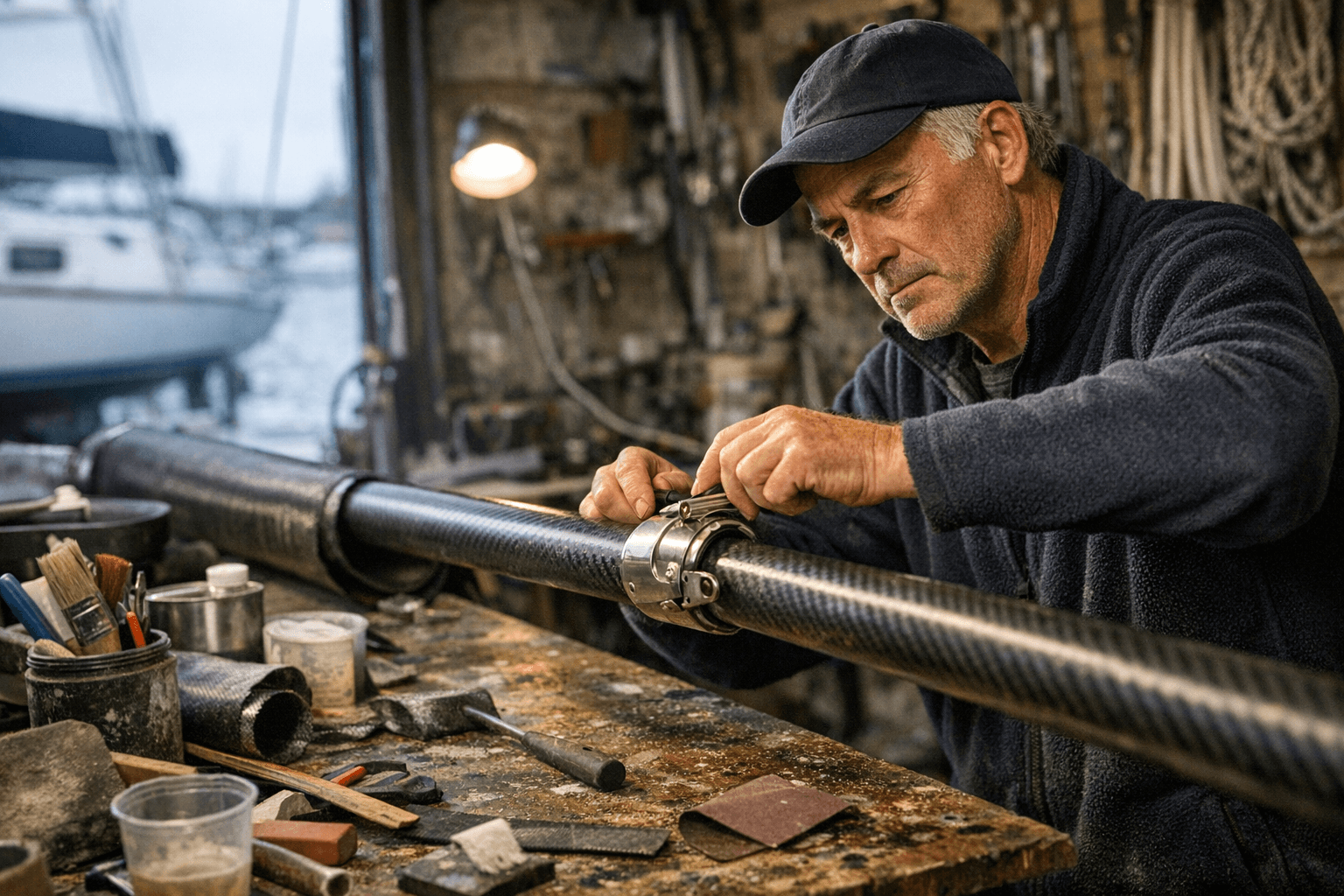
King's process, as documented in Practical Boat Owner, runs from sourcing the tube and end fittings through to cutting, dry-fitting, and bonding the assembly together. The project is presented as accessible: "assembly could be undertaken by anyone with some DIY skills and a basic tool kit." Practical Boat Owner describes the piece as walking "a competent DIYer through building a carbon-fibre spinnaker pole," which is an honest assessment of the skill threshold. You do not need a composites workshop or specialist training; you need patience, accurate measuring, and a methodical approach to the bonding stage.
The key components to source are:
- A carbon fibre tube cut to your required length
- End fittings appropriate to your pole system
- Lines for the bridle arrangement
- A release line
- Protective lacquer for the finished pole
The cutting and dry-fitting stages allow you to confirm everything aligns correctly before any adhesive is introduced, which is the sensible sequence for this kind of build. Getting the fit right before committing to the bond is the detail that separates a clean finished pole from an expensive mistake.
The case for doing it yourself
The arithmetic is persuasive on its own, but the project also gives you a pole built precisely to your boat's requirements, with end fittings chosen to suit your existing hardware. Off-the-shelf poles are designed to cover a broad market; a DIY pole is designed to fit your boat, your class rules, and your preferred rigging setup.
King's Contessa 32 example illustrates this well. The 3,868mm class maximum is a specific figure that a custom build can hit exactly, whereas a purchased pole may require compromise on length or fitting compatibility. For racers especially, that precision matters.
For cruisers, the argument is simpler still: a carbon pole that weighs 40% less than your current aluminium tube, built for under £1,000 with a basic toolkit, is one of the more cost-effective upgrades available to any boat in the 30-35ft range. The £1,500 you keep in your pocket is better spent on sails, charts, or the next offshore passage.
This article was produced by Prism’s automated news system from verified source data, official records, and press releases, then run through automated quality and moderation checks before publishing. The system is built and supervised by the people who set the standards it runs under. Read our full AI policy.
Did this article answer your question?