Cyclops Marine Smart Rig Manager brings real-time rig loads to sailboats
Real-time rig loads moved from race teams to everyday MFDs, with Cyclops promising dockside tuning, live overload alerts, and trip history on the same displays sailors already use.
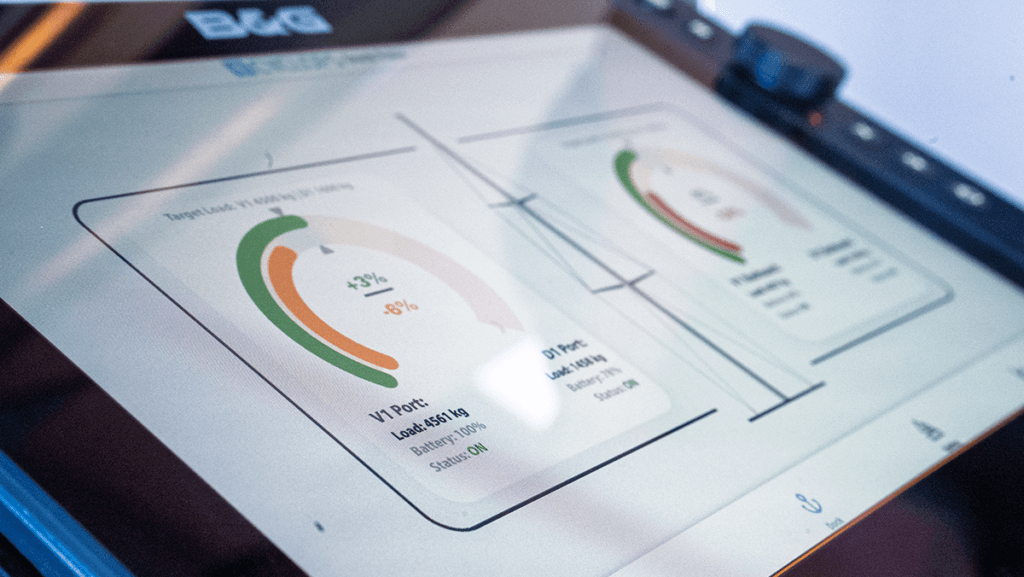
The expensive mistake in rigging is not always a spectacular break. More often, it is the slow drift you never caught: a shroud that eased off tune, a load pattern that changed after a few hard sails, or standing rigging that aged faster than the owner expected. Cyclops Marine’s Smart Rig Manager is aimed squarely at that problem, pushing live load data onto Garmin, Raymarine, and B&G displays through a Cyclops Gateway instead of asking sailors to rely only on feel, tape marks, and periodic checks.
The system is built around three moments in a boat’s life. At the dock, it shows rig-tension targets based on manufacturer specifications so owners can tune to a known baseline before departure. Under sail, it displays load feedback and warns when readings move outside defined thresholds. After the passage, it stores trip data for load trends, sailing analysis, and usage history. That matters for owners who want evidence, not guesswork, when deciding whether to re-tension, inspect, or replace gear.
Cyclops has made the hardware less niche than the older load-sensing setups that lived mostly on race boats. The company says up to 34 sensors can be configured from a phone, log data can be exported via Bluetooth, and the Smart Rig Manager Gateway includes a free three-month trial of extended features. That setup makes the system feel less like a separate lab instrument and more like another layer inside the MFD ecosystem many cruising and club boats already carry. Raymarine’s LightHouse Hvar 3.16, first announced in November 2021, had already pointed in this direction by adding wireless load sensing to Axiom displays, with support for live, static, and dynamic load data at up to 50 sensor placements.
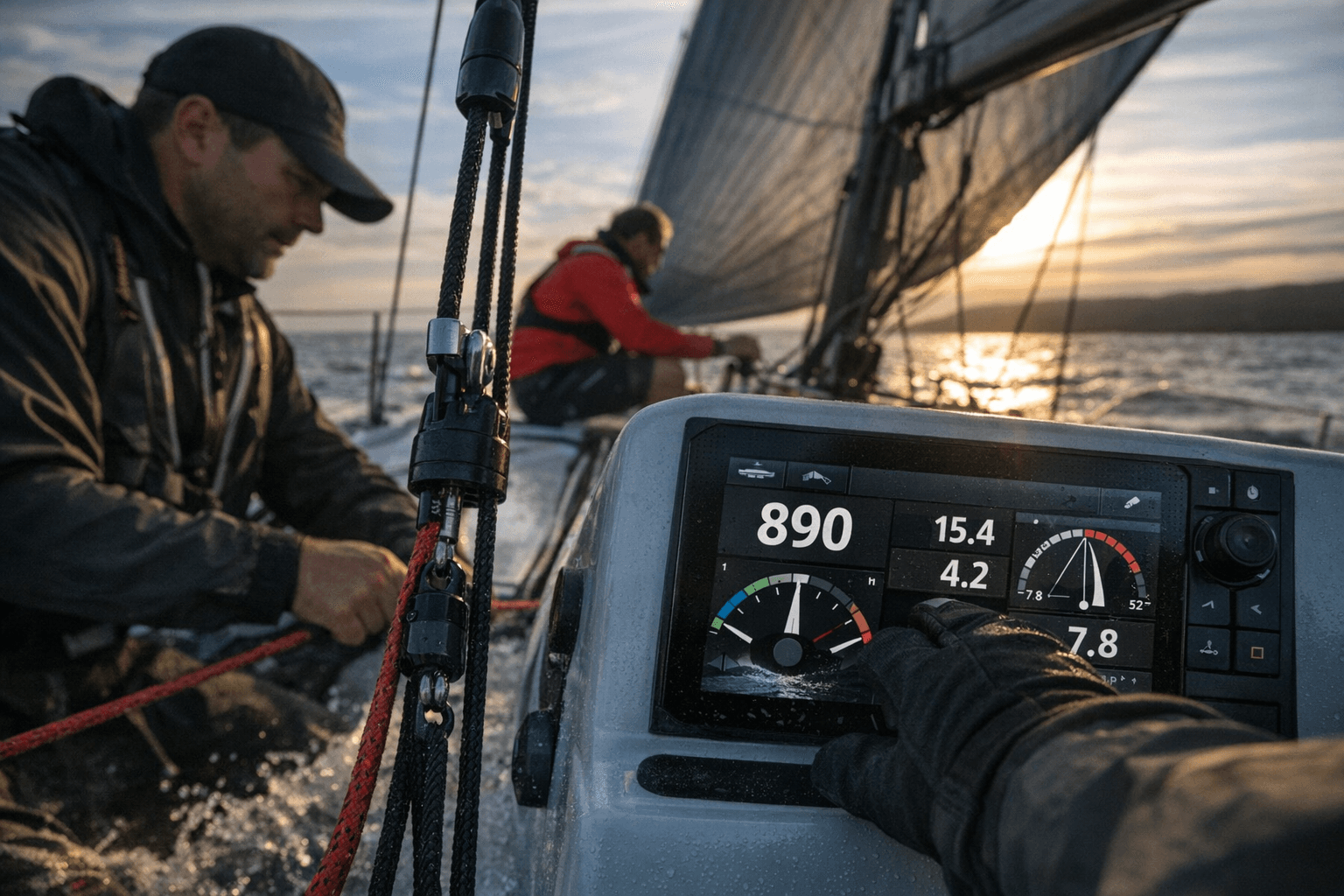
What gives Smart Rig Manager real practical value is not just overload alarms. Cyclops says underloading matters too, because repeated low-load cycles can contribute to work-hardening and shorten the life of standing rigging. That is the kind of detail a DIY sailor can use: not just whether the rig looked fine at launch, but whether one mode of sailing is hammering a stay harder than expected, or whether a boat is quietly chewing through its lifespan. Ian Howarth and Cyclops have spent years pushing that idea, building on work developed with Cambridge University and Team INEOS UK after the company’s founding in 2018.
This is not a silver bullet that replaces inspection, but it does move rig monitoring from feel and folklore toward repeatable numbers. For owners who already watch engine hours, battery state, and wind data on their plotter, rig load is the next logical screen. For the rest, it may still be one more display to glance at. The difference is that this one could warn about a costly problem before the rig, or the season, gives out.
This article was produced by Prism’s automated news system from verified source data, official records, and press releases, then run through automated quality and moderation checks before publishing. The system is built and supervised by the people who set the standards it runs under. Read our full AI policy.
Did this article answer your question?


