Galley Stove Removal Uncovers Hidden Paint and Structural Damage, Tests Refitter's Resolve
Removing an old galley stove revealed hidden paint and structural damage, forcing a longer, costlier rebuild and spotlighting refit risks for DIY sailors.
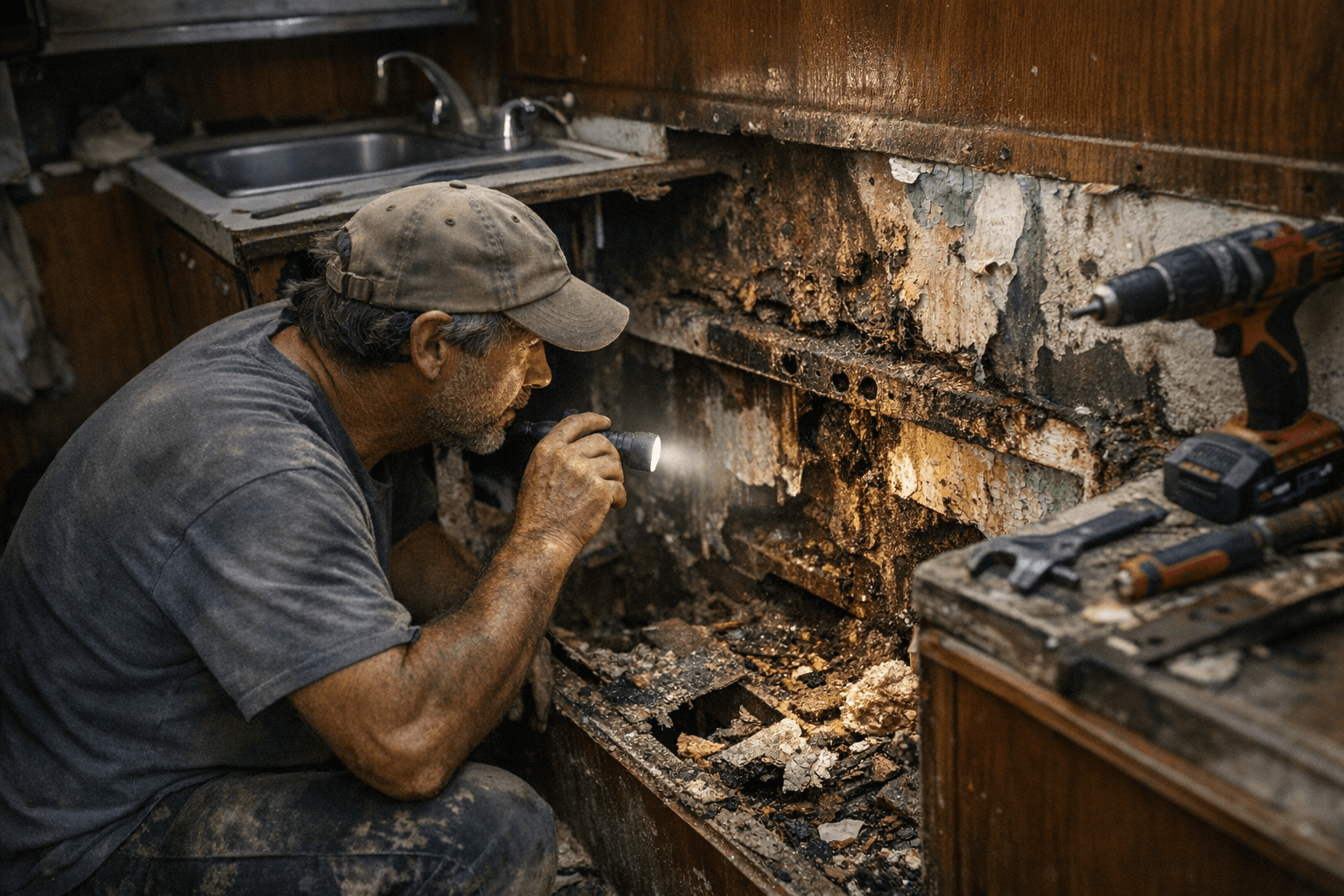
Removing an old galley stove turned routine maintenance into a wake-up call for one solo refitter when multiple layers of paint and previously unseen structural issues were exposed. The candid refit vlog captures the slow unraveling of what began as a straightforward appliance swap and became an extended rebuild that tested time, budget, and morale.
The vlogger documented the removal on February 1, 2026, and the footage shows practical refit moments such as stripping paint and peeling back trim to see what lay beneath. Under the stove faceplate and in the cabinet backing the galley, additional paint layers masked delamination and compromised backing material. Structural concerns around the mounting bulkhead forced a halt to cosmetic work and shifted the project into repair mode.
This matters to anyone living aboard or planning a galley refit because stoves, ovens, and fixed appliances are often mounted against bulkheads and stringers that can hide water intrusion, fastener failures, or overpainted repairs. The vlog’s honest tone highlights the human side of DIY work: the frustration of unexpected setbacks, the emotional fatigue of a project that stretches months instead of weekends, and the impact on household budgets when contingency plans are insufficient.
Practical takeaways are clear. Before you start cutting into cabinetry, check fastenings, test for movement at mount points, and peel back trim to inspect backing materials. Use a screwdriver or awl to probe for soft spots and follow seams into adjacent lockers and bilge spaces where moisture travels. Strip paint in a controlled area to reveal original laminate, glue lines, or corrosion on metal supports. Take detailed photos and measurements as you go; accurate documentation speeds communication if professional help is needed.
The video also underscores financial realities. An apparently small appliance removal can cascade into structural repair, replacement of adjacent cabinetry, and additional materials and labor costs. For crew and liveaboards, that can mean rerouting planned trips, living with a temporary cook setup, or delaying other upgrades.
Community response to the vlog has been practical: trade tips for solvent choice, paint-stripping technique, and sequence for reassembly. Sharing setbacks publicly turns one refitter’s learning curve into a field guide for others tackling similar projects. For readers tackling a galley refit, plan for the unexpected, document discoveries, and set aside both time and funds for repairs beyond the visible scope. What starts as a stove swap can become a full inspection of the heart of the boat, and responding early to hidden damage keeps you sailing sooner.
This article was produced by Prism’s automated news system from verified source data, official records, and press releases, then run through automated quality and moderation checks before publishing. The system is built and supervised by the people who set the standards it runs under. Read our full AI policy.
Did this article answer your question?