Hank-On vs. Roller-Furling: Which Headsail System Suits Your DIY Sailboat
Two headsail systems, one big decision: here's what DIY sailors actually need to know before committing to hank-on or roller-furling.
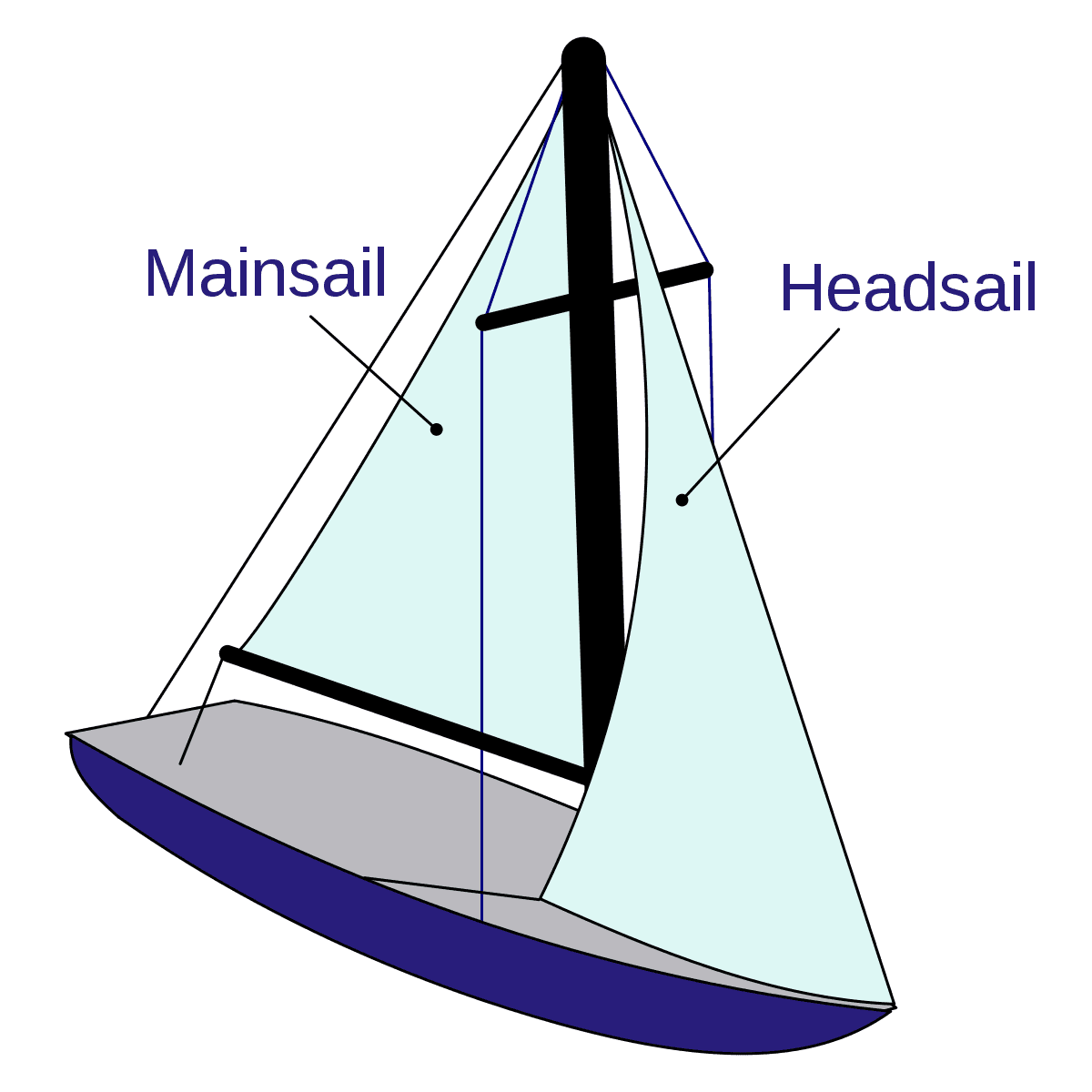
Choosing your headsail system is one of those decisions that shapes every passage you make, every sail change in a building breeze, and every hour you spend at the dock with tools in hand. Whether you're rigging a new build or retrofitting an existing boat, the choice between hank-on and roller-furling touches nearly every aspect of how you sail and how you maintain your rig.
The case for hank-on
Hank-on headsails have been around as long as modern sailing itself, and their staying power isn't nostalgia. The system is about as mechanically simple as it gets: hanks clip directly onto the forestay, and the sail goes up or comes down as a complete unit. There are no bearings to seize, no foil sections to align, and no furling drum to service. For the DIY sailor, that simplicity translates directly into fewer failure points and repairs you can handle yourself with basic tools.
Hank-on setups also tend to win on upwind performance. Because the luff of the sail bears directly against the forestay under load, the sail shape is typically tighter and more consistent than a sail wrapped around a furling foil. Offshore sailors and racers have long favored this characteristic, and many bluewater cruisers deliberately choose hank-on precisely because they want a system they can fix at sea with spares that fit in a small bag.
The tradeoff is convenience. Changing a hank-on headsail in lumpy conditions means going forward, unhanking the sail, dragging it back to the cockpit or below, and then hanking on the replacement. In a seaway, that's real work. You also need somewhere to stow the sails that aren't flying, which becomes a genuine storage challenge on smaller boats.
How roller-furling works and what it offers
Roller-furling systems wrap the headsail around a rotating foil that replaces or encapsulates the forestay. A drum at the tack feeds a furling line back to the cockpit, letting you roll the sail in or out without leaving the helm. For shorthanded sailing, coastal cruising, and anyone who wants to reduce time on the foredeck, the appeal is obvious.
The functional advantage goes beyond convenience. Roller-furling lets you quickly reduce sail area in a freshening breeze by partially furling, effectively depowering the headsail without a full sail change. For singlehanders or couples sailing without a crew, that ability to manage sail area from the cockpit can be a genuine safety consideration.
Installation complexity is where DIY sailors need to pay close attention. A roller-furling retrofit involves removing the existing forestay, fitting a new foil system that typically attaches at the stemhead fitting and masthead, threading the sail onto the foil, and rigging the furling line through a turning block to a cockpit winch or cleat. The number of components and the need for precise alignment means the job demands more planning and preparation than slapping on a set of hanks. That said, many competent DIY sailors complete roller-furling installs successfully with careful measurement, the right hardware, and a methodical approach.
Maintenance considerations
This is where the two systems diverge most sharply in day-to-day ownership. Hank-on gear requires almost nothing: occasionally check your hanks for wear, inspect the forestay, and keep the luff tape or bolt rope in good condition. There's no moving assembly that can corrode or jam at an inconvenient moment.
Roller-furling systems have more to watch. The foil bearings, particularly at the drum and the top swivel, need periodic lubrication and inspection. UV covers on the sail's leech and foot protect the rolled sail from sun degradation and need replacement over time. In salt environments, furling drums can become stiff or seize if they aren't rinsed and maintained. None of these issues are unmanageable, but they represent an ongoing maintenance commitment that hank-on simply doesn't carry.
Which system suits your sailing?
The honest answer depends on how and where you sail. A few factors cut through the noise:
- Offshore and bluewater passages: Many experienced offshore sailors favor hank-on for its reliability under sustained load and the ability to service everything aboard without specialized parts.
- Shorthanded coastal cruising: Roller-furling earns its keep here. The ability to manage sail area from the cockpit without going forward in confused seas is a genuine operational advantage.
- Racing and performance sailing: Hank-on typically produces a tighter, better-setting luff, which matters when you're chasing boat speed upwind.
- Budget and DIY accessibility: Hank-on wins on initial cost and repair simplicity. A broken hank is a five-minute fix; a damaged foil section or seized drum is a more involved job.
- Boat size: On larger boats, the physical effort of hanking and dropping sails increases significantly. Roller-furling starts to make more ergonomic sense as sail area grows.
Retrofitting your existing rig
If you're working with an existing boat rather than a new build, the retrofit question involves more than just choosing a product. Check whether your current chainplate and stemhead fitting can handle the loads of a furling system, or whether you're working with hanks and a simple forestay that just needs a new set of sails. Measuring your forestay length accurately, accounting for toggle articulation, and confirming masthead fitting compatibility are all steps that need to happen before you order hardware.
For a hank-on setup, retrofit is usually straightforward: replace the existing forestay if needed, confirm the tack fitting, and order sails built to your measurements. The barrier to entry is low, and you can often source secondhand hank-on headsails in good condition at a fraction of new-sail prices.
Roller-furling retrofits require more research into compatible systems. Leading manufacturers offer sizing guides based on forestay length and maximum sail luff, and working through those specifications carefully before purchasing saves significant frustration during installation.
Making the call
Neither system is universally better. Hank-on rewards sailors who prioritize simplicity, offshore reliability, and minimal maintenance overhead. Roller-furling rewards those who value convenience, shorthanded capability, and the ability to fine-tune sail area on the fly. The best choice is the one that matches how you actually sail, not how sailing looks in the catalog. Whichever direction you go, understanding the installation requirements and maintenance demands upfront means you won't be surprised by the system when conditions get interesting.
This article was produced by Prism’s automated news system from verified source data, official records, and press releases, then run through automated quality and moderation checks before publishing. The system is built and supervised by the people who set the standards it runs under. Read our full AI policy.
Did this article answer your question?