Hill Marine Unveils Split Loc Prop Nut to Stop Loosening Under Vibration
A backing-off prop nut can mean a lost prop, cracked shaft, or a long tow. Hill Marine’s Split Loc tries to stop that with a mechanical lock built for high-vibration rigs.

A propeller nut that walks loose under vibration is one of those failures boaters remember for a long time, because the bill starts with hardware and can end with a lost wheel, a damaged shaft, or a dead-in-the-water tow. Hill Marine moved straight at that problem on May 12, 2026, with its patent-pending Split Loc Propeller Nut, a marine fastener it says was built to stay put where ordinary retention methods start to fail.
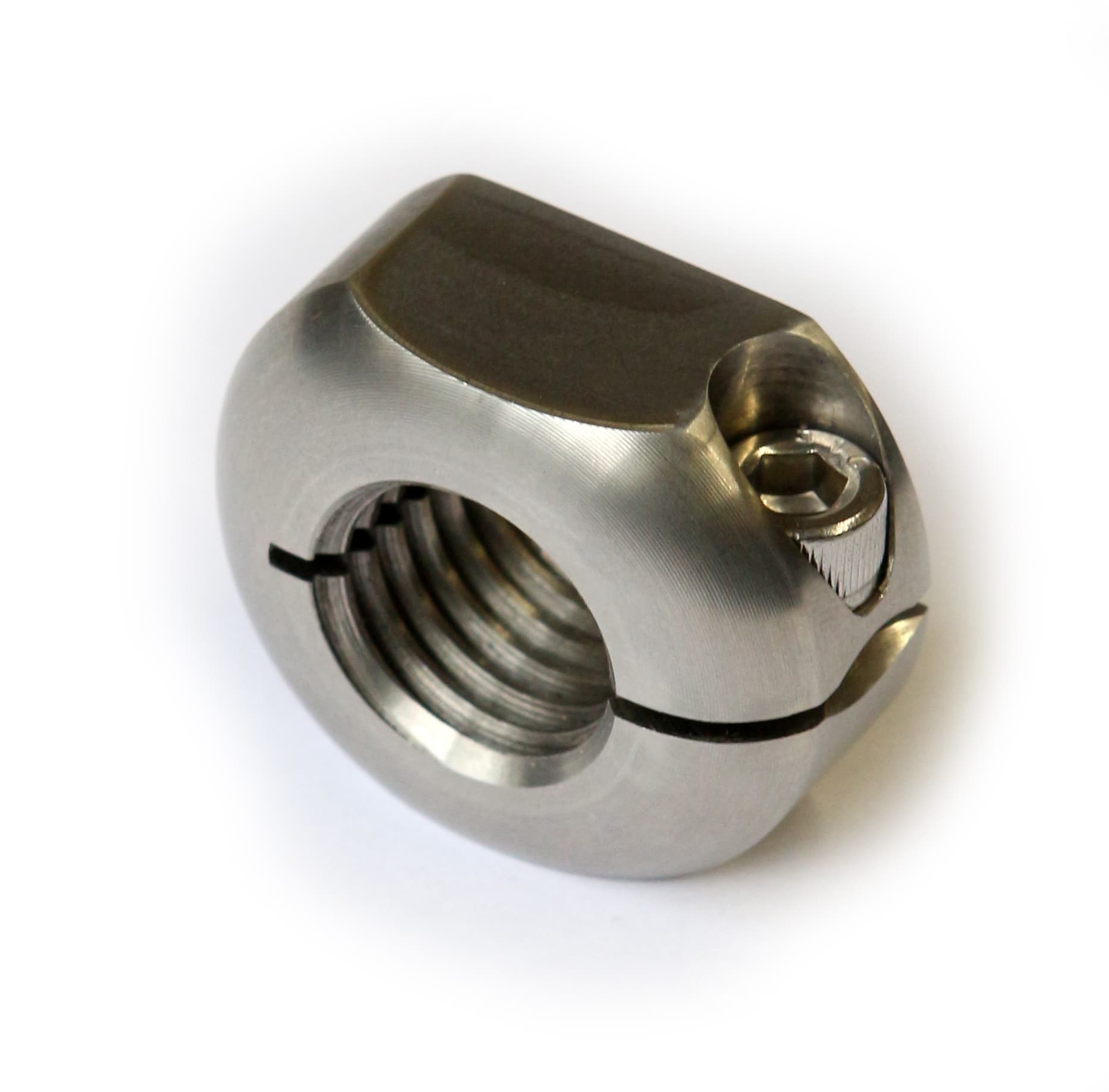
The pitch is not just that the nut is new. It is that the company treated loosening as a real mechanical problem instead of a maintenance nuisance. Hill Marine said it had fielded many calls over the years from boaters who lost a propeller because the retaining nut loosened. On performance boats, tritoons, and high-horsepower catamarans, that is not a minor annoyance. It is a safety issue, a downtime issue, and a parts issue all at once. The new Split Loc is designed for Mercury V6, V8, and V10 performance outboards, and for high-performance I/O applications with 19- or 23-spline hubs.
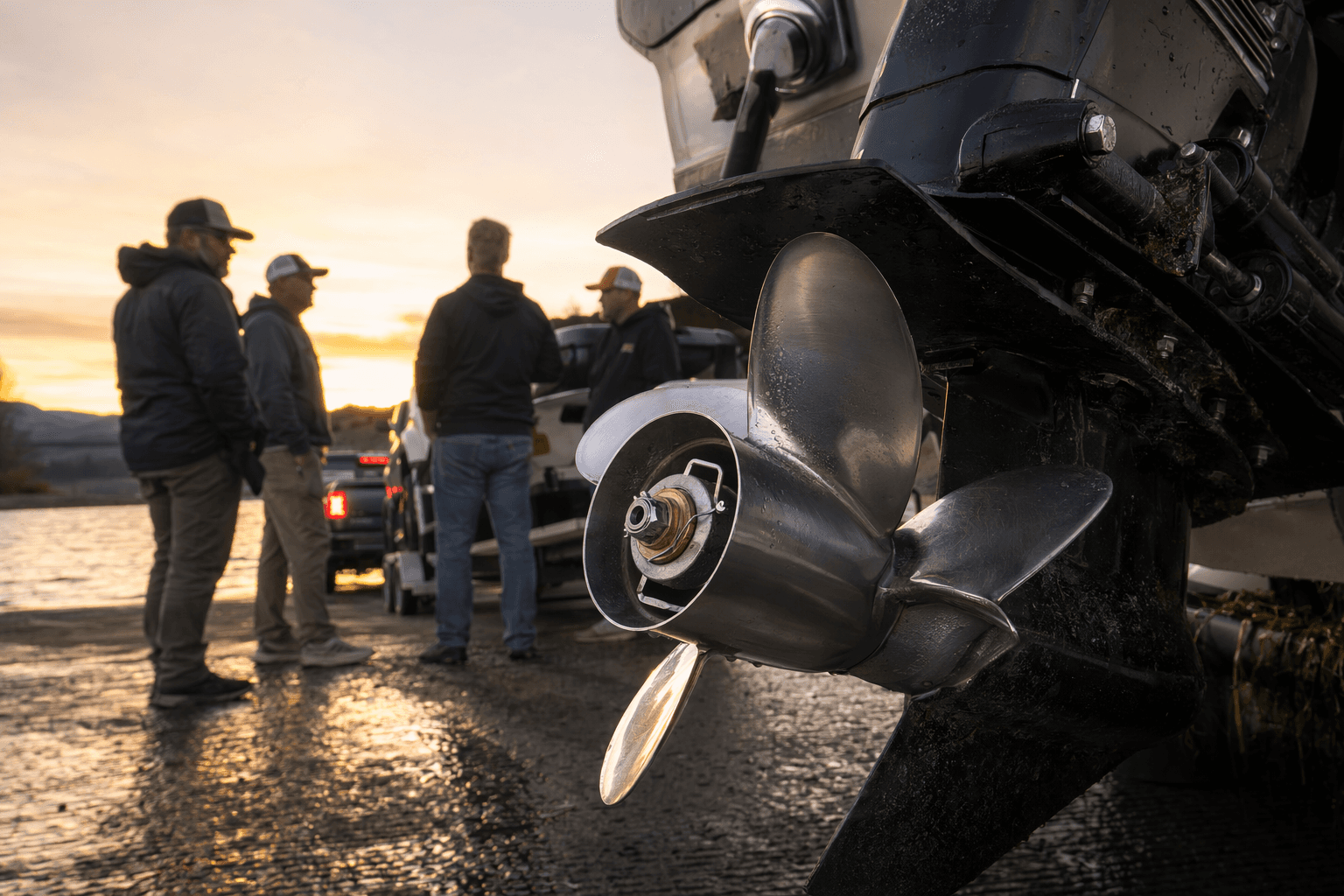
Hill Marine’s argument is that the usual answers only go so far. The company said a nyloc nut is only part of the solution, and it is skeptical of double-nut setups in marine applications where access behind the propeller is limited. It said roughly 90% of over-hub and through-hub propeller setups cannot practically use a true locking double-nut arrangement because the second nut cannot be properly reversed against the first. Instead, the Split Loc uses an integrated internal locking mechanism that distorts and conforms to the threads as torque is applied, creating a mechanical lock against vibration. The principle is close to a Stover-style lock nut, the all-metal prevailing-torque approach that depends on thread deformation and friction rather than a nylon insert.
That matters because the broader propeller-retention market already shows how many different ways owners have tried to solve the same headache. General Propeller warns that standard propeller nuts can come loose, leading to vibration, cracked shafts, or loss of the propeller. Prop Tight sells a castle-nut-and-cotter-pin style solution. Seaboard Marine describes the old big-nut, little-nut method, where a thin nut goes on first and is torqued below spec before the larger nut is brought up to full torque. SKF has noted that propeller mounting and dismounting involve very large forces and can be time-consuming and difficult, which helps explain why the right locking method matters so much once the prop is buried on the shaft.
Hill Marine said it built and tested multiple prototypes on real boats, including a tritoon with a 300-horsepower outboard and high-performance catamarans exceeding 500 horsepower. That gives the Split Loc more credibility than a paper exercise, but it also leaves the real service question in place: does this solve a maintenance pain point, or just add another proprietary part to keep track of? For owners tired of re-torquing and second-guessing prop hardware, a nut that locks by design may be the cleaner answer.
This article was produced by Prism’s automated news system from verified source data, official records, and press releases, then run through automated quality and moderation checks before publishing. The system is built and supervised by the people who set the standards it runs under. Read our full AI policy.
Did this article answer your question?