How one sailor sewed her first sail with confidence
A first sail stops being a leap when the project is chosen well. Larson’s spinnaker kit shows how repairs, the right machine, and seam discipline build confidence.
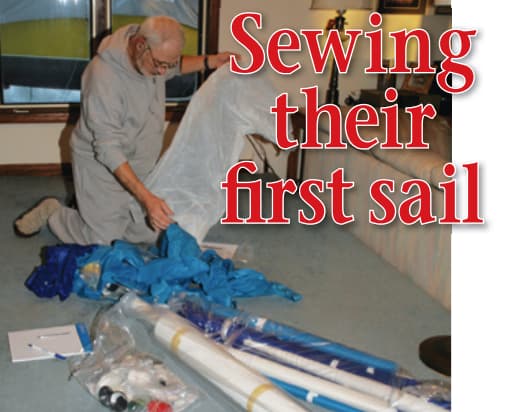
Karen Larson spent years saying she would never sew a sail for Mystic. The C&C 30’s sail shape was too critical, the work felt too daunting, and the stakes were bigger than a decorative project in the garage. Her turning point was not bravado, but preparation: a long run of repairs, a better machine, and one carefully chosen first sail.
From repairs to a first real sail
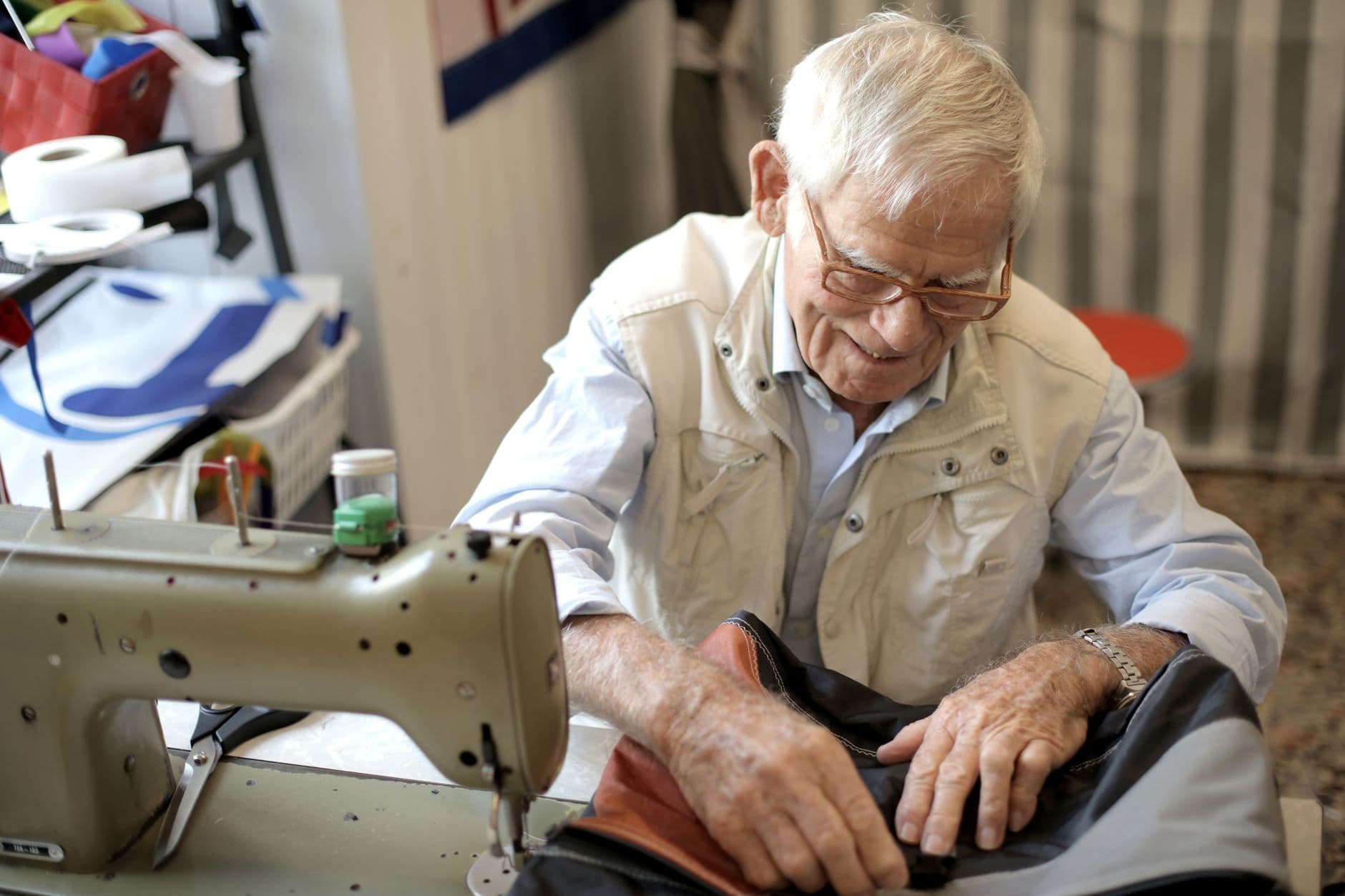
Larson and Jerry Powlas did not begin with a blank sailplan and a loft-sized dream. By the time they took on their first sail, they had already repaired and modified a long list of sails and canvas items, along with winter tarps, sailbags, covers, and upholstery. Each smaller job taught a separate skill: handling slippery fabric, keeping edges aligned, and learning how much tension cloth will tolerate before it starts to fight back.
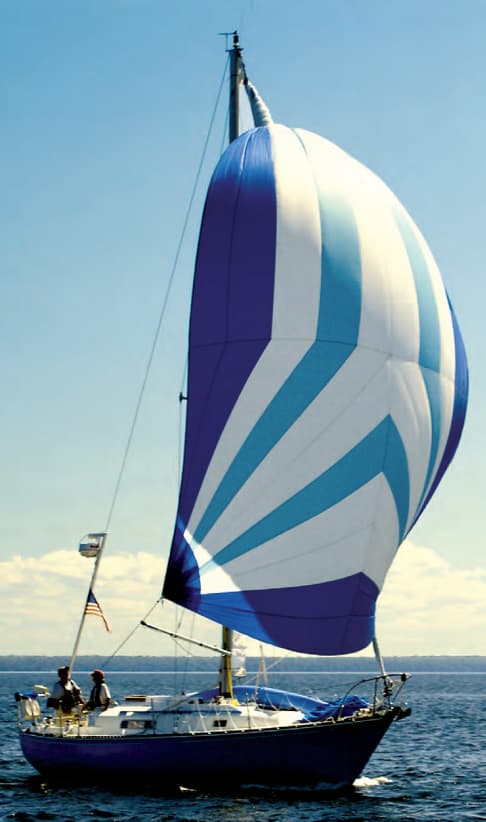
The project that finally crossed the threshold was an asymmetrical spinnaker kit. That choice made the leap manageable because it was a kit, not a sail designed from scratch. In a home shop, a kit lets the builder focus on measurement, cutting, seam discipline, and reinforcement instead of trying to solve the entire design problem at once.
Why the machine changed the calculation
The other big change was equipment. Larson and Powlas had bought a Sailrite Ultrafeed machine with walking feet, and that single upgrade changed what slippery sailcloth could be made to do on a worktable. The Sailrite Ultrafeed LSZ is a portable walking-foot sewing machine for sails, marine canvas, leather, and upholstery, and its zigzag stitching is useful in sailmaking and repair.
Zigzag is part of why a sailor can move from canvas projects to a sail kit with a realistic chance of success. On a first sail, the machine does not just sew faster, it reduces the odds that the cloth shifts out of line before the seam is set. For a beginner, that stability is the difference between a manageable learning curve and a pile of expensive rework.
The decision sequence that makes the first sail work
Larson’s path followed a chain of decisions.
1. Start with work you already know. Larson and Powlas built confidence through repairs, modifications, tarps, bags, covers, and upholstery.
2. Choose a bounded project. An asymmetrical spinnaker kit is a first step; a fully custom sail designed from scratch is a much steeper one.
3. Use a machine that can control the cloth. The Ultrafeed’s walking feet helped tame slippery material, and the zigzag capability fit sailmaking.
4. Treat accuracy as the real skill. Measurement, seam alignment, reinforcement, and patience were the habits that carried the project across the finish line.
What counts as a beginner mistake
A first sail can tolerate learning, but not casual handling of headboards, corner patches, or critical shape control. Larson’s original hesitation came from that fact, and it was sound: sail shape affects performance and safety, so imprecise work carries real consequences on the water.
A kit lets you learn where cloth wants to stretch, where seams need to stay true, and where reinforcement has to be deliberate.
A family project built on years of sailing
Larson and Powlas began sailing together in 1990 and founded Good Old Boat in 1998, with the magazine built to share stories of restoring, refitting, and upgrading sailboats. They have been exploring Lake Superior aboard Mystic for more than 30 years, so the sailmaking story sits inside a long, practical relationship with one boat and one sailing life.
The first sail did not happen in isolation. It grew out of the same do-it-yourself culture that shaped the magazine itself, where maintenance, repair, and improvement are all part of keeping an older boat active instead of waiting on someone else to do the work.
What happened after the first sail
Later Good Old Boat coverage shows Mystic under the spinnaker that Larson and Powlas built from a Sailrite kit, and the first attempt became part of the boat’s normal sailing life. Mystic is identified there as a 1976 C&C 30.
This article was produced by Prism’s automated news system from verified source data, official records, and press releases, then run through automated quality and moderation checks before publishing. The system is built and supervised by the people who set the standards it runs under. Read our full AI policy.
Did this article answer your question?