How to stop anchor chain twist before it jams the windlass
Stop chain twist before it turns into a windlass jam: keep the rode aligned, spot hockles early, and reset the locker before the gear starts fighting back.
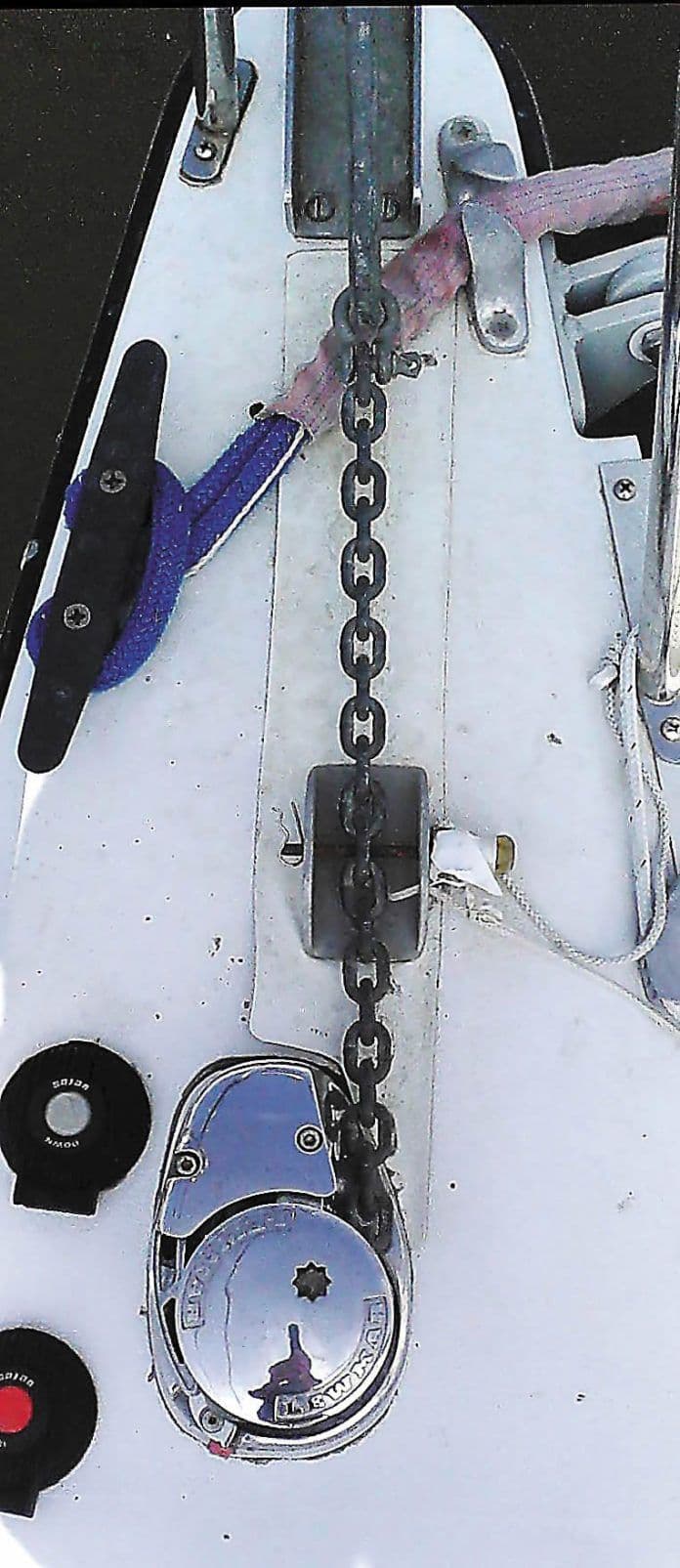
Anchor chain twist rarely announces itself politely. You usually discover it at the worst moment, when the anchor comes up backward, the chain starts to corkscrew, or the windlass begins to jump and bind just as you need a clean retrieval. The fix is not some shiny add-on bolted to the bow, but disciplined chain handling from locker to gypsy.
Where the twist starts
Practical Sailor says the problem usually begins when the boat spins at anchor, which twists the rode in the locker long before you notice anything on deck. Retrieval can make it worse if the chain feeds through the windlass gypsy in a different orientation than it went out. Once that mismatch starts, the chain can build enough twist to form hockles or even jump off the windlass.
That is why this is more than an annoyance. Ground tackle is a system, not just an anchor, and a bad system can leave the boat vulnerable in a blow. If the rode is already fighting itself in the locker, the next anchoring reset is when everything tends to go sideways.
How to catch the problem before the jam
The first warning sign is simple: the anchor comes up backward. After that, watch the chain as it enters the gypsy and falls into the locker. If it wants to snake, corkscrew, or pile in odd loops instead of lying down in a consistent path, twist is already in the system.
Practical Sailor has also flagged the locker itself as part of the diagnosis. Locker depth under the windlass matters because the rode needs to stow by gravity, and hawse-pipe placement can steer the chain into a bad path that encourages twist and hockles. A locker that is too shallow, too cramped, or badly aligned will turn a manageable issue into a repeat problem.
Cruising World illustrated the point with a 45-foot Down East schooner that had a locker too small for 250 feet of 3/8-inch chain. The chain kept piling up, and the result was repeated windlass jams. That is the kind of failure that looks like a hardware problem until you realize the storage geometry is doing the damage.
What actually works, and what only sometimes does
The most reliable fix is to keep the chain’s orientation consistent all the way through the system. That means the chain should not already be twisted in the locker, and it should stay in the same alignment as it passes through the gypsy on the way out and on the way back in. Practical Sailor recommends marking the chain with paint so you can see which side is up and preserve that orientation every time it runs through the windlass.
An anchor swivel can help in some setups, but it is not a magic cure. Practical Sailor notes that some swivels are weak, some develop hidden internal damage that you cannot see from the outside, and even a good swivel may not reduce twist as much as you expect because of friction. The magazine has also pointed out a less obvious downside: a swivel can sometimes prevent beneficial rotation during retrieval from untwisting the chain.
Mantus Marine makes a similar practical point. Its guidance is that swivels can help an anchor come up in the correct orientation, but they are often unnecessary on shorter anchorages because chain twist can unwind during retrieval. In other words, the swivel may solve one inconvenience while leaving the real source of the problem untouched.
When the twist is already severe
If the chain is twisted to the point that it is forming hockles or making the chain jump from the windlass, Practical Sailor says to stop trying to muscle through it. Deploy all the chain, manually untwist it, and load it back into the locker. That reset can be done ashore, or often more easily in deep water where you have room to work the rode cleanly.
At that stage, the goal is not elegance. It is to get the entire system back to a known state before the next retrieval damages gear or turns the bow into a mess of slack chain and alarms. Trying to power through a severe twist is how a manageable seamanship problem turns into deck-level chaos.
A practical reset for a twisted system
If a windlass replacement or a re-feeding job has introduced twist, Practical Sailor suggests a clean reset. Pull the chain out into a box on deck, then feed it back down from the top so it returns to the locker in a consistent orientation. Keep the bitter end secured in the locker with a lashing you can cut quickly in an emergency.
That approach is low-cost, but it has real payoff. It reduces wear, improves anchor retrieval, and keeps you from depending on hardware that may look trustworthy while hiding weak points inside. It also gives you a fresh start after a bad re-feed instead of letting the twist keep compounding.
Match the gear to the chain you actually carry
West Marine is blunt about the hardware side of the problem: windlass gypsies are designed for exact chain sizes and chain types. Most older windlasses were built for Triple B chain, while modern systems may need different calibrated gypsies for High Test, BBB, or other specified chain standards. If the gypsy does not match the chain precisely, you are asking the windlass to manage a rode it was never set up to handle.
That matters because a windlass is not meant to drag a boat against a 25-knot wind in neutral. Its job is to handle chain cleanly, and that job gets harder fast when the gypsy, locker, and rode all disagree with one another. Lewmar and other makers treat that fit as a specific design problem, not a place for guesswork.
The right takeaway is simple. Keep the chain’s orientation consistent, mark it so you can see what is happening, and treat swivels as a possible helper rather than a cure-all. If the rode starts to hockle or jump, stop, reset it, and rebuild the locker load before the next anchoring move turns a small twist into a broken routine.
This article was produced by Prism’s automated news system from verified source data, official records, and press releases, then run through automated quality and moderation checks before publishing. The system is built and supervised by the people who set the standards it runs under. Read our full AI policy.
Did this article answer your question?