How to Tune a Sailboat Rig for Speed and Safety
A rig that looks centered can still give you lee helm, poor pointing, and extra heel. The fix starts at the dock with a tape measure, not a guess.
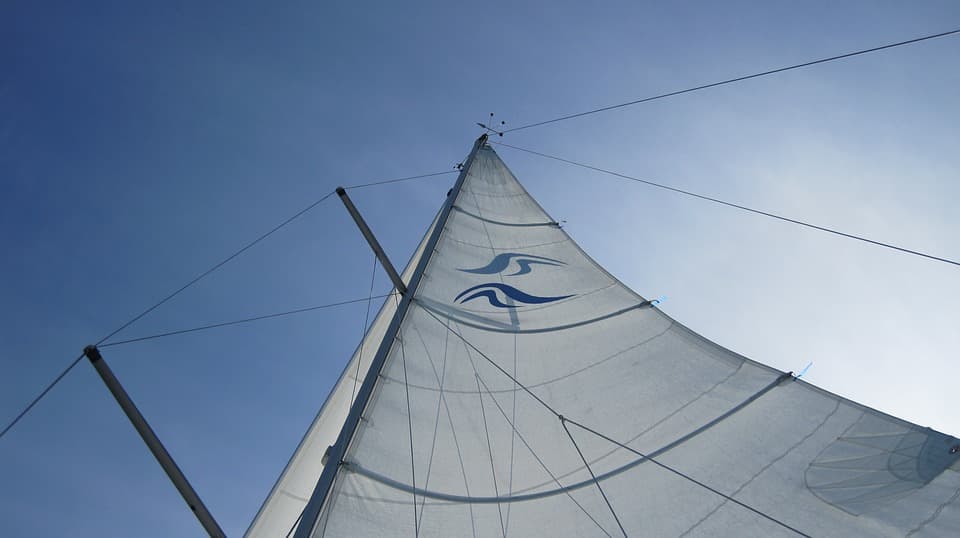
Start with the symptom, not the turnbuckle
A sailboat that feels vague on the helm, heels too hard, or refuses to point often has a rig problem before it has a sail problem. The fastest way to waste a tuning session is to chase feel without a baseline, because mast rake, athwartship centering, and bend all work together. The goal is not just a straight mast, it is a rig that puts the boat in balance, keeps loads even, and lets the sails carry shape instead of distortion.
That is why the best rig-tuning jobs begin with a simple problem statement. Lee helm usually means the rig is too upright or the sail plan is carrying the boat wrong. Weather helm often points to too much aft rake. Poor pointing, mast pumping, and uneven sail shape usually show up when the mast is not centered, the shrouds are not equally tensioned, or the bend is not matching the mainsail.
Set the dock baseline first
Before you worry about how the boat feels under sail, get the mast centered and standing straight. UK Sailmakers treats rig tuning as a two-step process: first at the dock, then on the water. That sequence matters because you cannot fine-tune helm balance until you know the mast is actually in the middle of the boat and not leaning to one side.
Use a measuring tape hoisted on the mainsail halyard and take the measurement to the chainplates on both sides, or to the transom centerline if that is the method your setup allows. North Sails recommends hoisting the tape all the way to the top of the mast and measuring to the centerline reference so you are comparing symmetry, not eyeballing it. Work in calm conditions, ideally at a sheltered berth or on a light-wind day, and remove gear or ballast that might tilt the boat while you are measuring.
The target is simple: equal distances, even turnbuckle settings, and no guessing. If one side needs two full turns and the other needs none, stop and remeasure before you chase the next symptom.
Fix lateral adjustment before anything else
Lateral adjustment centers the mast side to side. On most rigs, that means working the shrouds and cap shrouds so the spar stands true over the boat’s centerline. If the mast is off to one side, the sail plan will load unevenly, the boat may drag a rail sooner than it should, and the helm can feel inconsistent from tack to tack.

This is the place to use the basic tools that belong in the tuning kit: the right open-end wrenches for the turnbuckles, multi-grip pliers for split pins, and a flat screwdriver to spread the new pins after the hardware is adjusted. Make changes in small, repeatable steps. Count turns on each side, keep the settings mirrored, and verify the mast remains centered after every adjustment.
If you go too far here, the signs are immediate: the mast will sit visibly off-center, one leeward shroud will go slack too early, or the turnbuckle settings will no longer match from port to starboard. That is the moment to back up, not push through it.
Use mast rake to solve helm balance
Once the mast is centered, shift to rake, the fore-and-aft angle of the spar. US Sailing says the goal is neutral helm or very slight windward helm, which means you want the boat to feel balanced without letting the bow wander off to leeward. Too much aft rake can create heavy weather helm, while too little rake can leave you with lee helm, which is the more dangerous of the two because it pushes the bow away from the wind.
If the boat has lee helm, the mast is often too upright for the sail plan. A small increase in aft rake can help bring the helm back toward neutral. If the boat is fighting you with constant weather helm, reduce aft rake a little and recheck the result under sail. Do not make a big move and hope for the best, because rake changes affect both helm load and how the mainsail powers up.
The signs you have gone too far are easy to feel. Excessive weather helm means you are fighting the tiller or wheel, the rudder is dragging, and the boat is slowing itself down. Excessive lee helm means the boat wants to bear off and the rudder is working against the rig instead of helping it.
Use bend to control sail shape and mast pumping
North Sails includes mast bend in the core tuning set along with rake, athwartship tuning, and headstay sag. Bend is where performance becomes visible in the sails. A little controlled bend helps flatten the mainsail, improves shape, and can reduce power when the wind builds. Too little bend can leave the main full and powerful, which often shows up as excessive heel and a boat that feels overpressed. Too much bend can hook the sail, distort the draft, and leave you with a main that is hard to trim cleanly.
Mast pumping, where the spar moves rhythmically under load, is another warning sign. It usually means the rig is too loose fore-and-aft, the headstay is sagging too much, or the bend is not supported well enough by the rest of the tune. Tighten in small steps, then sail again and watch whether the movement settles down. The goal is a stable spar with a controlled, repeatable curve, not a rigid pole and not a shaking one.
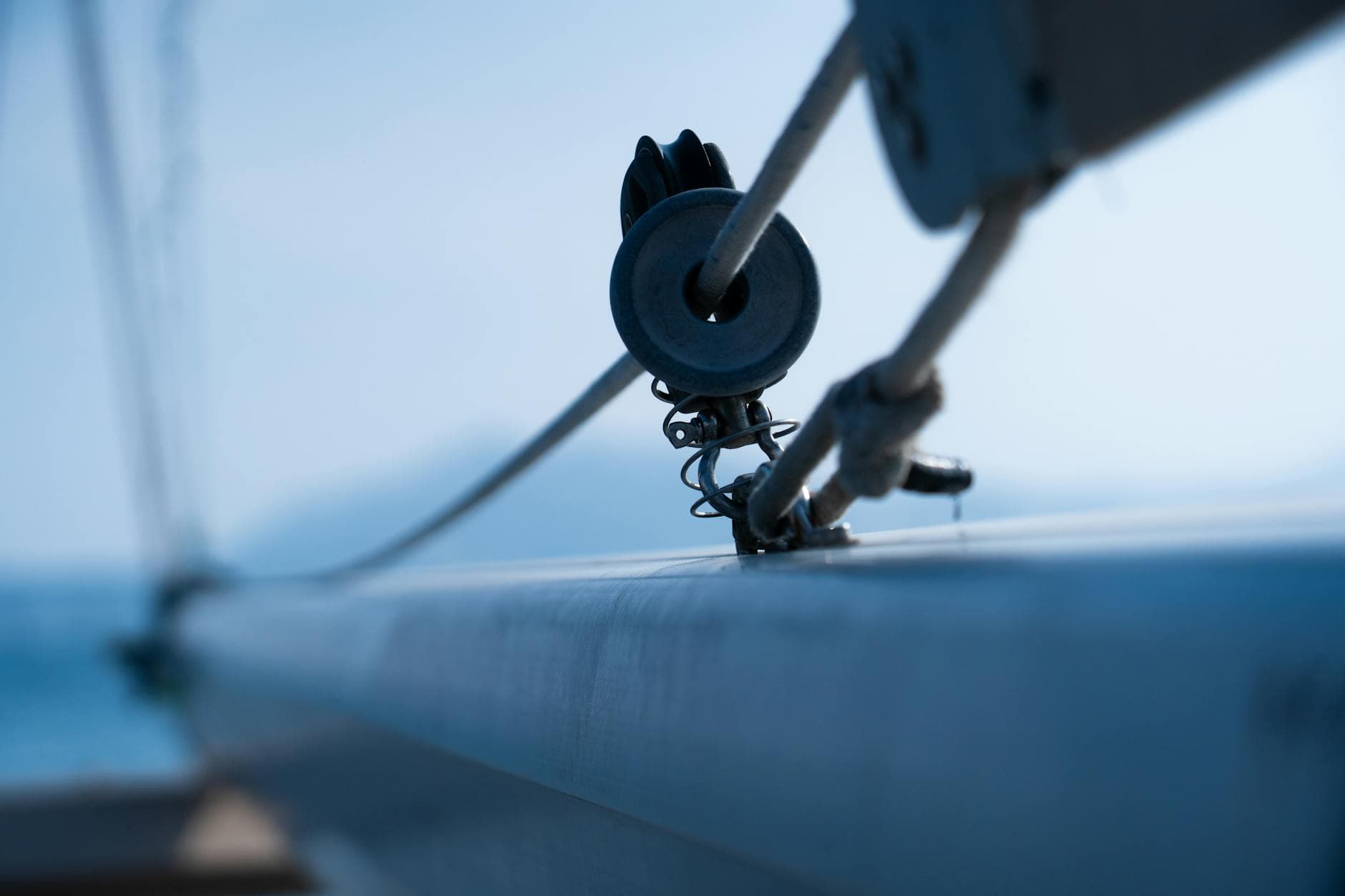
If your mainsail looks uneven from top to bottom, bend is one of the first places to look. A rig that bends correctly should help the main set cleanly, not wrinkle one panel and over-flatten another.
Tune under sail, then stop before you overdo it
Practical Sailor notes that most cruising sailors tune once during commissioning, while racers may keep adjusting constantly. That difference matters because the point of a good baseline tune is that you do not have to keep starting over. Once the mast is centered, the rake is close, and the bend is in the right range, sail the boat in light to moderate air and look for the real-world signs: helm balance, pointing ability, heel angle, and mainsail shape.
If the boat points better but feels twitchy and overpowered, you may have taken too much rake or bend out of the rig. If it tracks but refuses to bite upwind, the rig may still be too loose or too upright. Make one change at a time, and always return to symmetry before blaming the sails.
Do the safety inspection every time you tune
A tune is only as good as the hardware holding it up. West Marine’s spring rigging checklist includes standing rigging, running rigging, chainplates, deck hardware, and furling systems, and that is the right mindset before you start twisting turnbuckles. BoatUS stresses that chainplates are critical attachment points, and failure there can end in dismasting. Winter storage can hide corrosion and loosen fasteners, so a rig that looked fine last fall can surprise you in spring.
Look closely at the wire, terminals, and pins before you declare the tune finished. One broken wire strand in a terminal area is already a warning sign that deserves attention. When you reinstall cotter pins, Sailing Magazine recommends bending them to about 30 degrees rather than folding them flat at 90 degrees, so they stay secure without creating unnecessary stress.
A well-tuned rig does more than make the boat feel faster. It keeps loads even, protects the spar, improves sail life, and gives you a helm you can trust when the wind builds.
This article was produced by Prism’s automated news system from verified source data, official records, and press releases, then run through automated quality and moderation checks before publishing. The system is built and supervised by the people who set the standards it runs under. Read our full AI policy.
Did this article answer your question?