Boating accidents span rescues, fires, capsizes, and fatal speed crashes
Five people were pulled from 10-foot swells off Puerto Rico after one capsize turned into another. A marina fire and a 57-degree capsize showed how fast a normal day can go sideways.
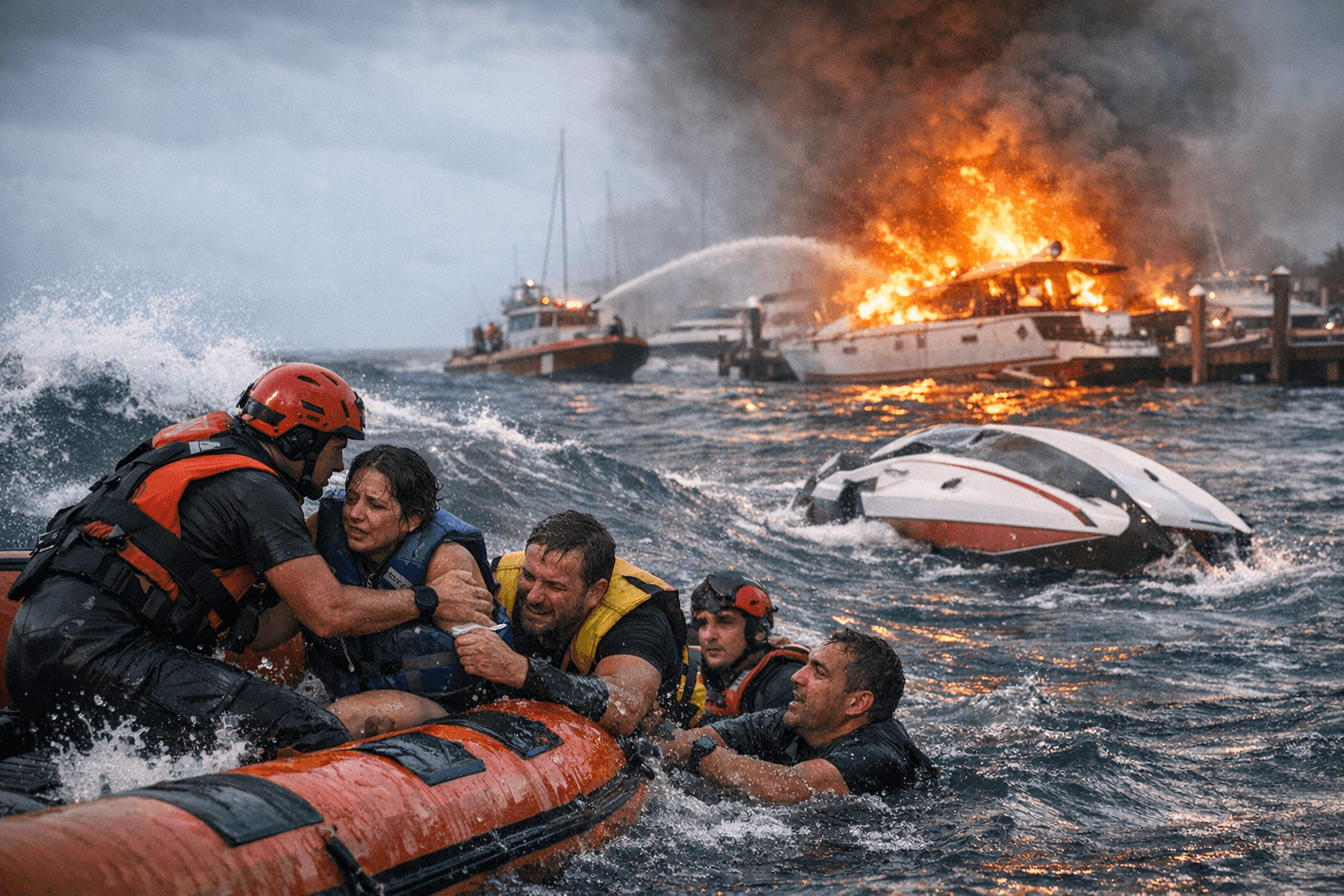
Five people were pulled from 10-foot swells off Isla de Cabras after a capsize snowballed into a bigger emergency, and that is the part every owner-maintained boat should keep in mind before the next launch. The U.S. Coast Guard said a Coast Guard MH-60T Jayhawk helicopter and a Puerto Rico Police aircrew rescued three Customs and Border Protection marine interdiction agents and two other boaters on the night of March 30, 2026, off Toa Baja, Puerto Rico. All five were treated for minor injuries. The lesson is plain: once the sea state turns ugly, a good crew can still run out of margin fast, so the first job on your own boat is not optimism, it is a hard check of weather limits, hatch security, bilge pumps, and radio readiness.
The Columbia River fire near Goble Marina in Rainier, Oregon, was the other kind of warning, the kind that starts quietly at the dock and ends with two boats gone. Local reports said a roughly 65-foot vessel and a 35-foot sailboat tied to a floating dock about 50 feet offshore were heavily involved and later sank on April 5, 2026. No one was aboard and no injuries were reported, which is about the only good outcome you can ask for in a marina fire. If your boat has been sitting, this is the week to open the panels, inspect shore-power cords, battery chargers, fuel lines, and extinguisher dates, then trace every wire and hose that disappears into the bilge or engine space. Fires rarely respect a boat’s size or its owner’s confidence.
Annapolis added the cold-water version of the same story. Two people were rescued after a 25-foot tiki boat capsized near Tolley Point on April 11, 2026, and local reports said the water was about 57 degrees. Fireboat 2 responded after hearing a broken VHF transmission, which is exactly why a dead mic, weak antenna, or forgotten handheld battery is more than an inconvenience. On a sailboat, the equivalent weak points are slow cockpit drains, loose lifelines, tired hatch boards, and life jackets buried where nobody can grab them in a hurry. In water that cold, every minute counts.
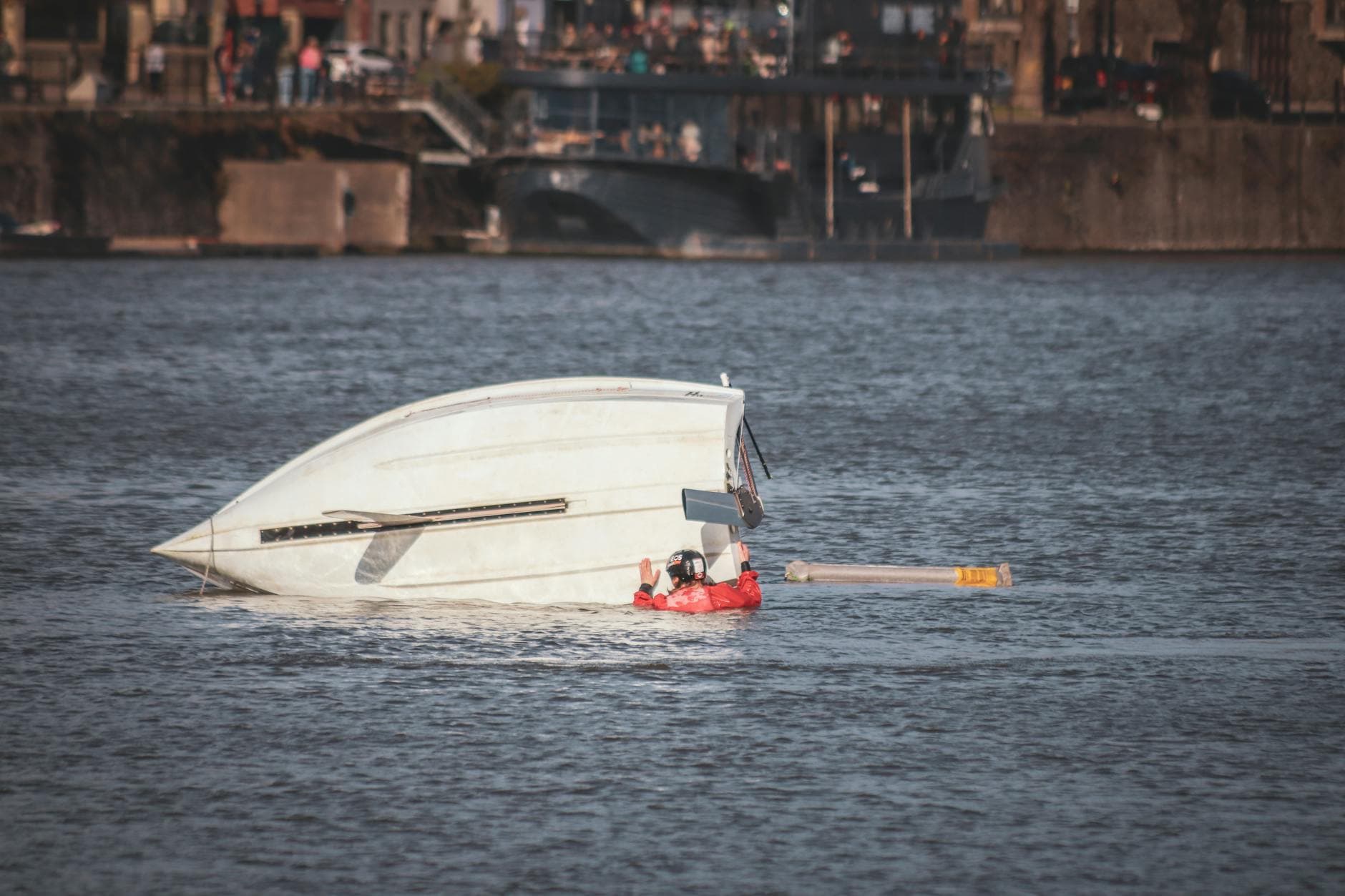
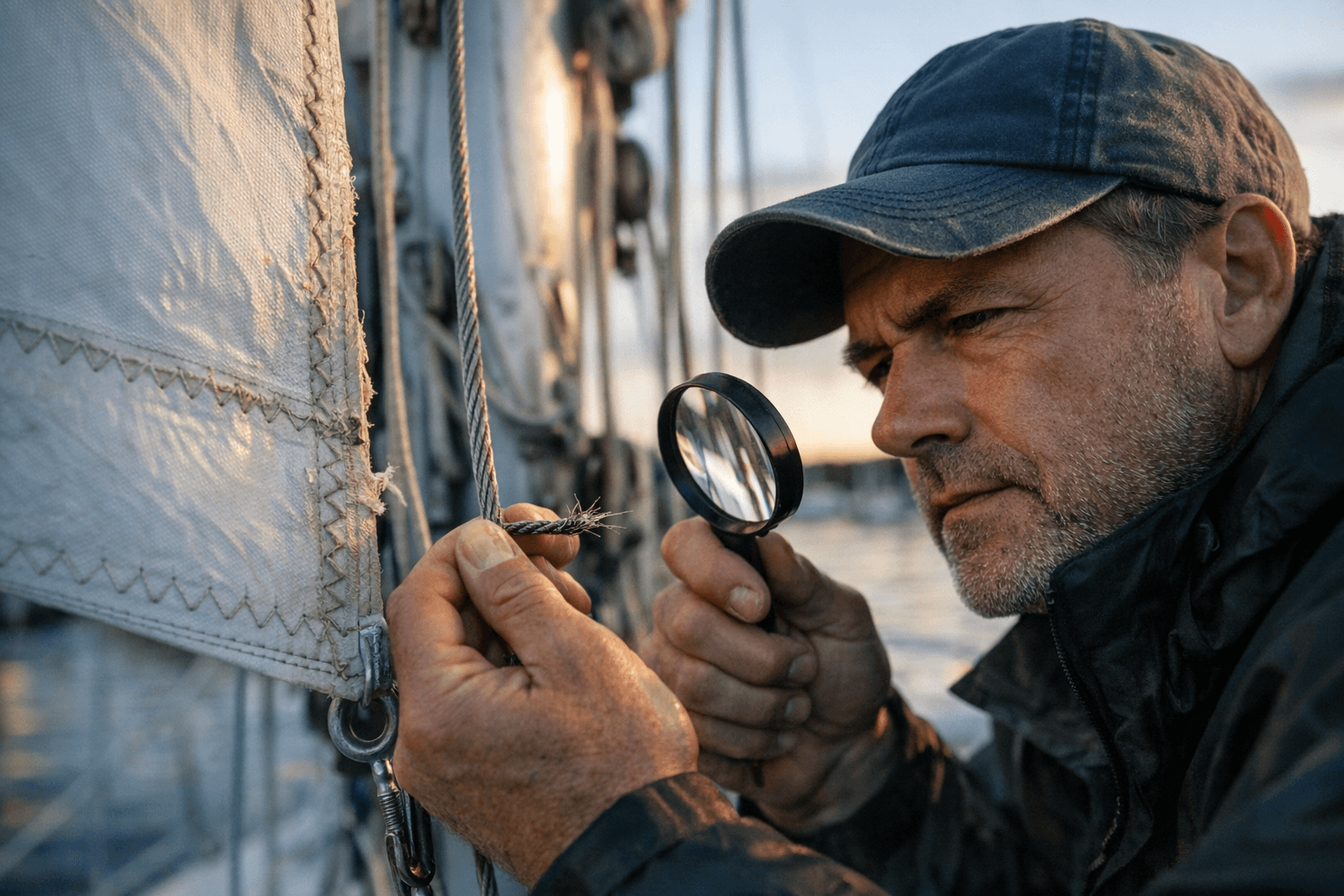
Lake Havasu and the Colorado River rounded out the pattern with speed. BoatTEST’s earlier coverage of the Desert Storm Shootout in 2025 described a powerboat attempting a speed record, flipping and leaving two occupants with minor injuries, a reminder that excess speed gives you less time to recover from every mistake. For sailboats, the same physics shows up when you leave old standing rigging in service, ignore chafe on reefing lines, or head out overpowered because the forecast looks manageable from shore. The boats in these cases were different, but the failure pattern was the same: one neglected system, then another, then no recovery left at all.
Know something we missed? Have a correction or additional information?
Submit a Tip