Low-cost soil mold turns fiberglass boat building into DIY project
Packed-soil hulls slash mold cost, but they shift the real work into shaping, sealing, and fairing. The cheap part is the form; the hidden cost is cleanup.
The cheap part is the soil, not the hull
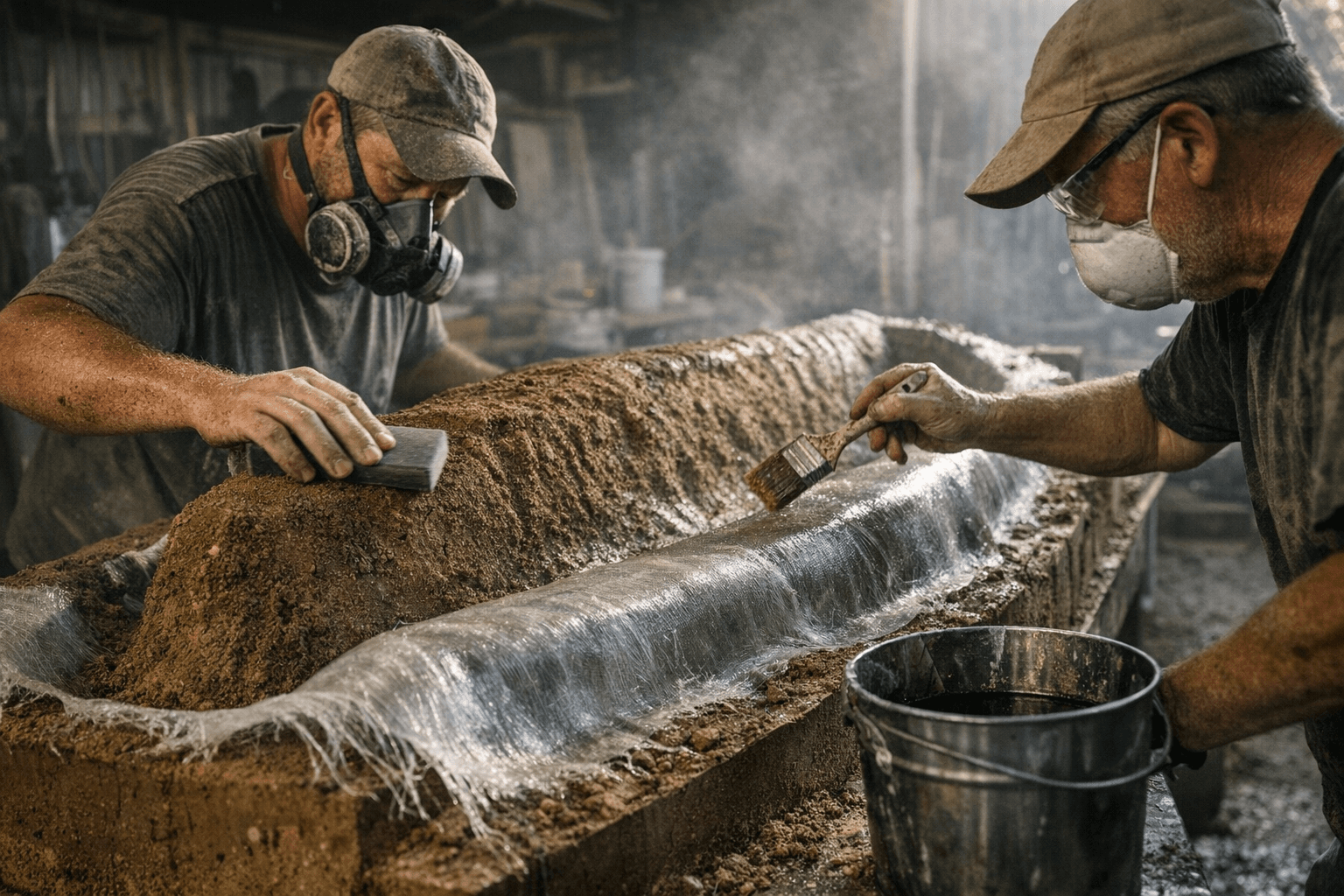
Pack dirt into a boat shape and you can get a hull form fast. The catch is that every hump, soft spot, and lumpy transition in that soil wants to survive in fiberglass, which means the shortcut only works if you are willing to do the unglamorous work of compacting, smoothing, and correcting the shape before the laminate ever goes down.
That is why this soil-based build is getting attention in DIY sailing circles. It promises the kind of low-budget entry point that usually disappears the moment you price a proper mold or plug, yet it still follows the same basic fiberglass logic: shape the form, lay cloth and resin, let it cure, then flip the hull and move on. The appeal is obvious; the question is whether it saves money in the places that actually matter.
What the soil form is doing
The video shows the builder shaping the bottom of the boat by packing soil and smoothing it out, then layering fiberglass with resin until the shell becomes strong and durable. Once the laminate has fully cured, the hull is flipped over and ready to use. In practice, that makes the soil act like a rough female mold, just without the tooling board, plug work, or purpose-built frame you would expect in a conventional shop.
That matters because standard fiberglass boatbuilding normally starts with a mold or plug, not a dirt shape. Unicomposite describes the mold as the template that gives the fiberglass its final hull form, while Sweet Composites LLC frames simple mold construction as a practical method for a backyard builder or small fiberglass shop. Fiberglass Warehouse takes the same basic position, treating custom mold-making as a cost-effective process when you want control over the shape and finish.
Where the money goes in a normal build
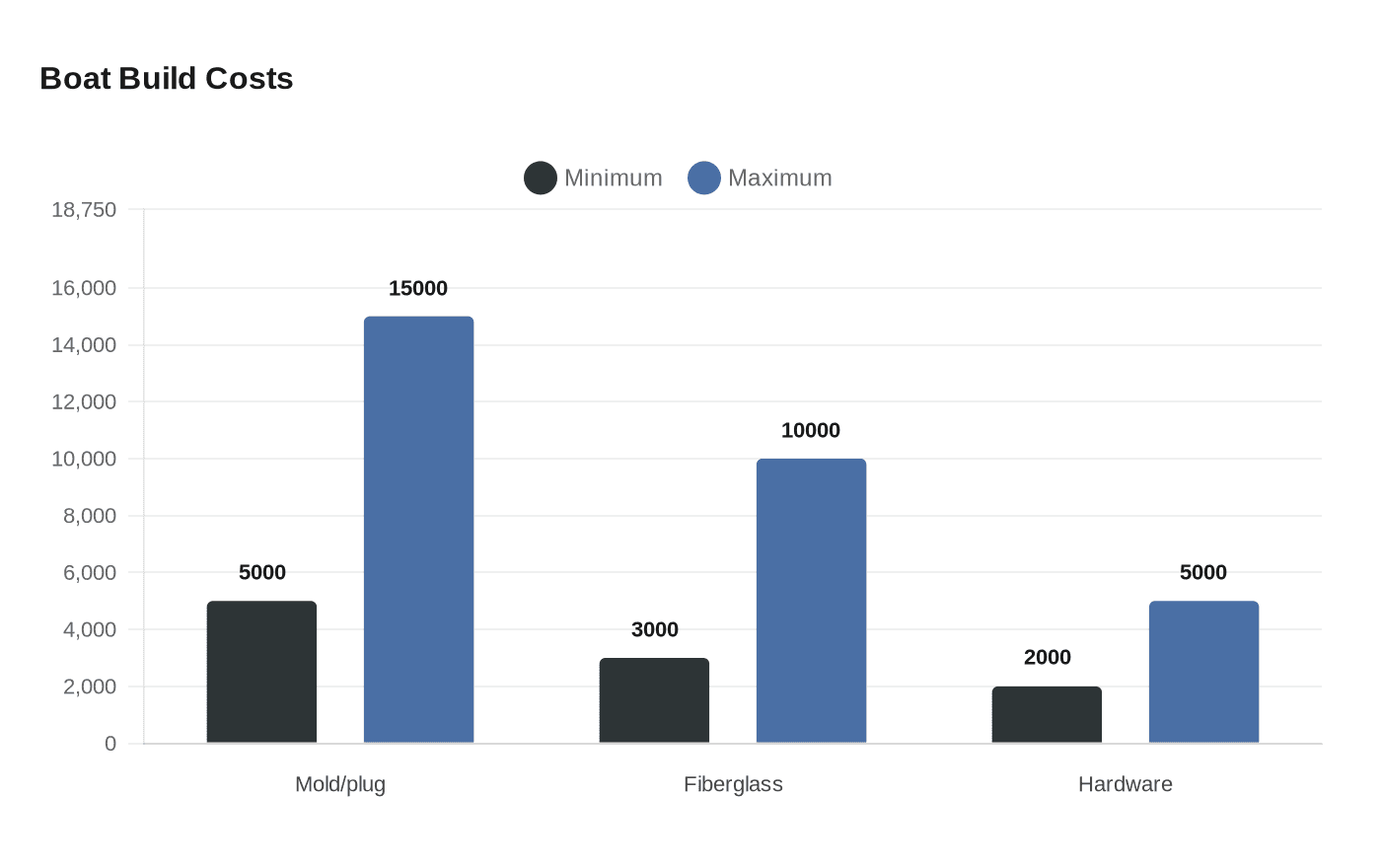
The reason a soil mold gets any traction at all is the tooling bill. Building Your Own Boat puts a mold or plug at roughly $5,000 to $15,000, fiberglass materials at $3,000 to $10,000, and hardware and fittings at $2,000 to $5,000. That mold number is the shocker, because it can eat a huge chunk of a small build budget before you have even mixed resin.
A conventional fiberglass build also comes with the steps that make the surface behave. Marine mold-making guides put mold release, gelcoat application, and layered fiberglass-resin layup at the center of the process. Those steps are not glamorous, but they are the difference between a hull that pops cleanly from a controlled surface and one that needs endless sanding because the underlying shape was never clean to begin with.
How it stacks up against stitch-and-glue
If you are comparing this soil method to stitch-and-glue, the biggest difference is where the labor lands. Stitch-and-glue skips the big mold expense too, but it replaces that with panel cutting, stitching, epoxy fillets, tape work, and a fair amount of inside-outside cleanup. It is still a real boatbuilding method, not a shortcut, and the labor shows up in a different place.
The soil form shifts labor in the opposite direction. You save the time and money spent building a formal plug, but you spend more time making sure the ground itself is fair enough to glass over. Stitch-and-glue gives you a geometry you can measure from plywood panels and seam lines; the soil method gives you a one-off shape that depends on how accurately you can sculpt wet earth before the first layer of glass locks everything in place.
That also changes the failure points. With stitch-and-glue, your weak spots usually live at the seams, the fillets, and any sloppy glass tape work. With a soil mold, the danger starts earlier: if the shape is soft, damp, or badly packed, the hull can telegraph every flaw. If the form moves under wet laminate, you are not building a boat so much as freezing a mistake.
Where a soil mold can save real money
This method makes the most sense when you want one small utility hull, a tender, or a proof-of-concept shape and you care more about getting on the water than producing a show finish. For a backyard builder, it can strip away one of the most expensive barriers in fiberglass boatbuilding, which is the tooling itself. That is a serious advantage if you are trying to keep a first build within reach instead of spending the budget on a plug that may never be used again.
It is also why the method feels like more than a visual stunt. The basic process is not exotic: shape, laminate, cure, flip. In that sense, it sits closer to established female-mold thinking than to fantasy engineering. You are still relying on fiberglass cloth or mat, resin, and a cure cycle that turns a temporary form into a usable shell.
Where the hidden work comes back
The tradeoff is that soil is not a controlled tooling surface. It does not give you the crisp repeatability of a proper mold, and it does not give you the clean release and finish you get from a well-prepped plug with gelcoat and mold release. Even if the hull comes off intact, you may still be looking at extra fairing, patching, and surface correction to erase the evidence of the dirt underneath.
That is the real test of the method. If you are building a one-off and accept a rougher finish, the low upfront cost is real. If you want accurate shape control, cleaner resin work, and a hull that can be repeated without mystery, a conventional plug or mold still wins. The soil trick is a useful reminder that boatbuilding can be made cheaper, but not free, and the bill always comes due somewhere in labor, surface prep, or finishing.
This article was produced by Prism’s automated news system from verified source data, official records, and press releases, then run through automated quality and moderation checks before publishing. The system is built and supervised by the people who set the standards it runs under. Read our full AI policy.
Did this article answer your question?