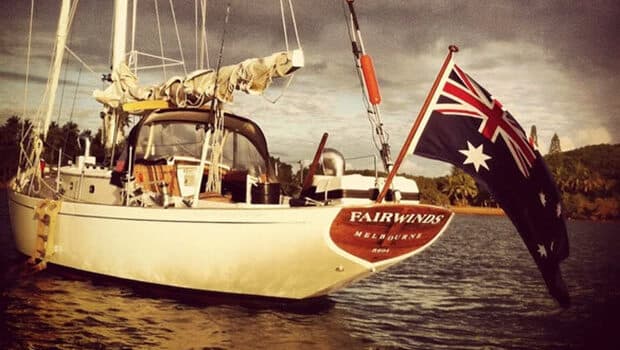
Jeanneau Attalia crew use tides and seamanship on London to Amsterdam passage
Leaving on the ebb turned a long run into a controlled passage, with tide gates, busy-water discipline, and a few well-timed pauses doing the heavy lifting.

The move that makes the passage
The smartest decision on this London-to-Amsterdam run was not the destination, but the departure. Matthew Kenyon and crew took a Jeanneau Attalia out of London’s South Dock on a full ebb, and that single choice set the tone for the whole voyage: use the tide, do not fight it, and keep the boat moving through the places where the river is least forgiving.
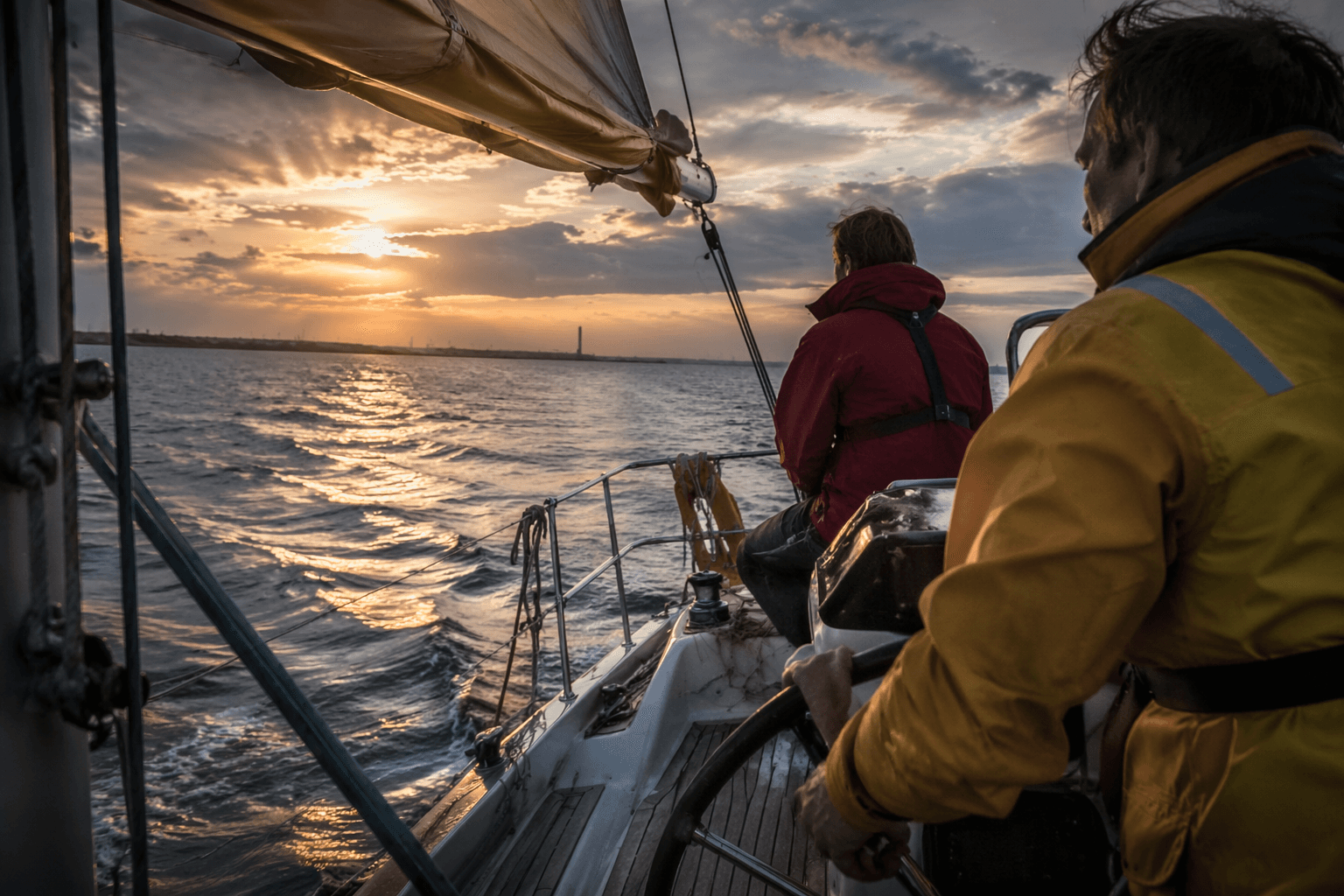
That is the piece ordinary cruising sailors can copy. On a passage like this, tide windows do the job that locks and timing points do elsewhere. Miss them and you buy delay, extra engine time, and more exposure to traffic and chop; hit them and the boat feels like it has a tailwind even when the wind itself is thin.
Getting out of London cleanly
The run through the Thames Barrier matters because it marks the transition from urban river to tidal water with real consequences. The Barrier is one of the largest movable flood barriers in the world, it became operational in 1982, and the late Queen officially opened it on 8 May 1984. It has been closed for flood defence 207 times since it went into service, which tells you all you need to know about how seriously the tidal Thames has to be managed.
The Port of London Authority describes the tidal Thames as the UK’s biggest port, and that is not just a boast. It is a working waterway where leisure boats share space with commercial traffic, so timing, VHF discipline, and constant position checks are not optional extras. The crew’s decision to leave on a full ebb, and to thread past barges, ferries, and debris with care, is exactly the kind of river judgment that keeps a coastal passage from starting with a preventable mistake.
Read the river, then pick your moments
Past Gravesend Sailing Club, the route begins to show why local knowledge matters. Southend, The Wallet, The Spitway, The Swin, and The Naze are not names to skim over on a chart, they are the sort of marks that punish casual plotting and reward people who know where the channel wants to go. A small error there can mean a grounding, or at the very least a long, annoying correction when the tide is already spending.
That is where the practical seamanship comes in. The crew were not just following a line on a screen, they were checking their position constantly and staying tuned to the state of the water around them. The tidal Thames demands that kind of attention because depths change, traffic moves fast, and the river rewards crews who treat each bend and each mark as a decision point rather than a backdrop.
The useful lesson for a DIY cruising crew is simple: keep the paper, plotter, eyes, and radio working together. The Port of London Authority’s guidance on the tidal Thames is built around exactly that idea, with advice for motor boating, narrow boating, living afloat, visitor moorings, and the other realities of a crowded waterway. If you are planning a passage that mixes river work and open-water miles, this is the model to copy.
When the wind drops, stay honest about it
There was a point in the passage when the wind eased and the boat had to motor-sail. That detail matters because it strips away the fantasy that every offshore leg is a clean sail from start to finish. Real cruising often means changing modes, keeping the passage on schedule, and using the engine without pretending you are somehow cheating.
That flexibility is one of the reasons the trip works as a case study. The crew did not wait for perfect conditions, they made progress with the conditions they had. For an ordinary cruising sailor, that means planning enough fuel, accepting that some stretches will be mixed-mode, and understanding that the safest way to preserve your tide window is sometimes to keep the boat honest under power while the sails steady her.
The passage opens up once you commit beyond the estuary
Once the boat reached Harwich Harbour and Hamford Water, the tone changed. The hard-edged river work gave way to a more settled cruising rhythm, but only because the earlier decisions had been right. By the time the crew were anchored and using the dinghy to visit the seals at Oakley Creek, they had already earned the right to relax a little.
That is another part of the lesson for passage planners. Good seamanship is not only about pushing through the hardest miles, it is about knowing when the boat can stop and the crew can actually enjoy the water. On this route, the tidal Thames and the East Coast estuary system are connected, and the same crew who needed sharp eyes on the river could later afford a quieter pace once they were clear of the most demanding stretches.
From there the passage continued up the Orwell to Ipswich, which is where the story becomes a reminder about transition sailing. You move from crowded tidal river, to estuary, to a more settled cruising environment, and each phase asks for a different mindset. The best crews do not treat that as a disruption, they treat it as part of the passage plan.
Prep that saves the passage from becoming a repair chase
One small detail says a lot: the crew did some nav-light maintenance before bed in Fox’s Marina. That is the kind of unglamorous work that keeps a passage from slipping sideways later. It is easy to ignore while the boat is moving well, but exactly these checks separate a smooth cruise from a night spent troubleshooting in the dark.
For a boat like the Jeanneau Attalia, that kind of preparation is as important as the tide table. It shows a crew that is ready for the jump from river sailing to open water because they are not only navigating the route, they are looking after the boat in motion. The practical habit is worth copying: sort the small faults before they become the reason you miss the next tide gate.
What to copy from this run
- Leave on the right tide, and treat the departure from a city river as seriously as an offshore start.
- Use VHF, position checks, and local marks together, especially past busy points like Southend, The Wallet, The Spitway, The Swin, and The Naze.
- Accept mixed-mode sailing when the wind fades, and keep the passage moving rather than waiting for perfection.
- Stop when the water and the crew allow it, because anchoring in places like Hamford Water is part of the cruising plan, not a detour from it.
- Fix the small boat jobs, like nav lights, before they become night-time problems.
The Thames Barrier, the tidal Thames, and the East Coast estuary leg are not just scenery in this story, they are the reason the passage works at all. Leave London on the ebb, respect the working waterway, and the route to Amsterdam starts to look less like a heroic crossing and more like a well-run piece of seamanship.
This article was produced by Prism’s automated news system from verified source data, official records, and press releases, then run through automated quality and moderation checks before publishing. The system is built and supervised by the people who set the standards it runs under. Read our full AI policy.
Did this article answer your question?