KiriCraft Expands Lagoon Boatbuilding Workshop to Access Tariff-Free Markets
KiriCraft expands its lagoon workshop to scale hand-built catamarans after PACER Plus tariff-free access opens Australia and New Zealand markets.
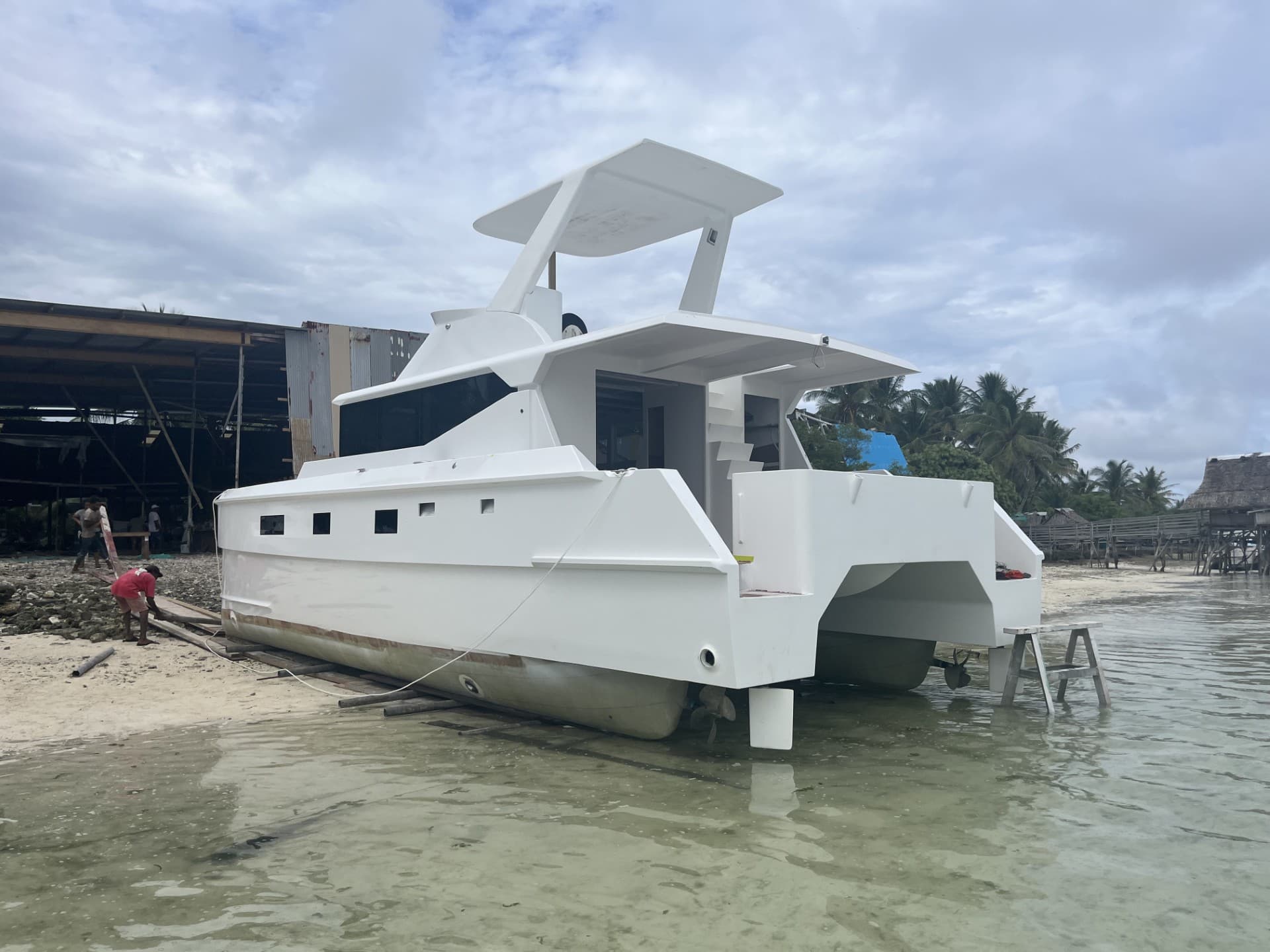
On a quiet stretch of shoreline in Kiribati, timber is measured, sanded, sealed. Fibreglass is laid with care. Hand-built catamarans and smaller craft emerging from KiriCraft Central Pacific’s workshop are now being pushed toward tariff-free markets, a shift that management says makes export growth practical.
At the heart of the change is the PACER Plus trade framework. "At the heart of this shift is PACER Plus’ Rules of Origin and Tariffs Component, often misunderstood as technical trade jargon, but in practice, deeply practical." PACER Plus’ tariff commitments then do the rest - removing import duties in Australia and New Zealand for qualifying Pacific goods. The practical result is clearer pricing, healthier margins, and a more predictable trading environment that allows businesses to invest with confidence.
Pacerplus summed the immediate business impact plainly: "That single shift, tariff-free access, has had a cascading effect. Without the added cost of import duties, KiriCraft’s catamarans are now more competitive in Australia’s marine market. Pricing is clearer. Margins are healthier. And KiriCraft’s plans for growth are no longer speculative."
KiriCraft Central Pacific operates from a facility described as a high-quality boatbuilding factory covering over 1000sqm based in the Republic of Kiribati. Founder and CEO Michael Savins has pushed an outward-looking plan since the workshop began, arguing that boatbuilding in Kiribati was meant to reach global buyers rather than remain local. The facility blends craftship and scale: production is hand-built rather than mass-produced, but the covered workspace exceeds 1000 square metres.
Commercial effects extend beyond price. A statement included with reporting materials said: "With tariff-free access to the Australian market, we can expand our operations, create more job opportunities, and drive economic growth in Kiribati." Local descriptions of workforce impact underline that more orders create demand for training and apprenticeships: "More orders mean more hands on deck. More hands mean more training, more apprenticeships, and more specialised skills staying in Kiribati rather than leaving it." Boatbuilding is not a short-term industry and requires precision and experience; PACER Plus, the Feature notes, helps create that long-term incentive by reducing export barriers.
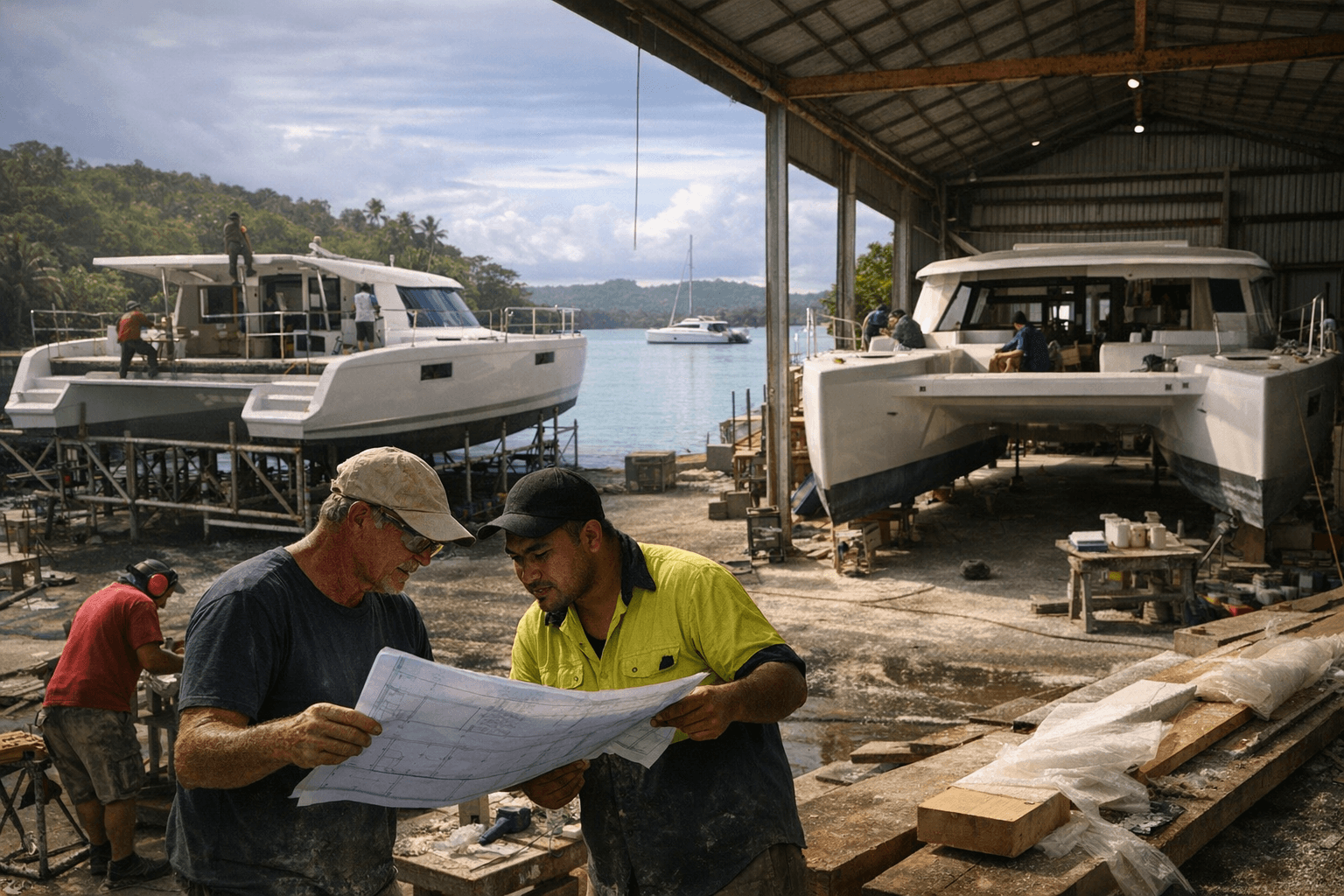
For Kiribati, a country with limited land, resources, and export pathways, those words carry weight. The combination of atelier-style craft processes - "Timber is measured, sanded, sealed. Fibreglass is laid with care." - with newly accessible tariff-free markets changes the business calculus for exporters based on low-lying Pacific atolls.
"KiriCraft employee works on a boat inside KiriCraft's workshop."
What this means for DIY sailors and small-boat markets is clearer availability of regionally made, high-quality catamarans and more transparent pricing from manufacturers able to compete without import duties. Next steps for reporters and buyers include confirming the exact Rules of Origin status for specific vessels and watching whether KiriCraft converts clearer margins into higher production volumes, apprenticeships, and export contracts into Australia and New Zealand.
This article was produced by Prism’s automated news system from verified source data, official records, and press releases, then run through automated quality and moderation checks before publishing. The system is built and supervised by the people who set the standards it runs under. Read our full AI policy.
Did this article answer your question?