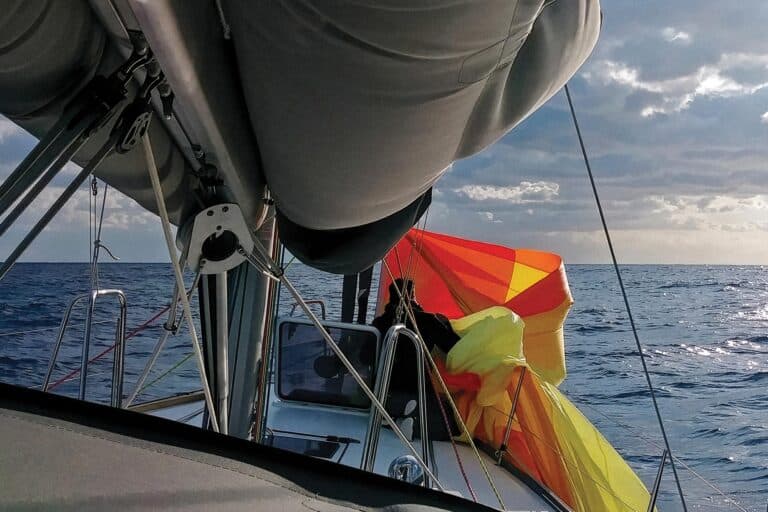
Lagoon 380 used prices fall below $200,000, buyer guide deep dive
The Lagoon 380 is suddenly a real used-market option, but the cheap ones demand a hard look at charter history, saildrives, and deferred maintenance.

Why the Lagoon 380 keeps showing up on shortlists
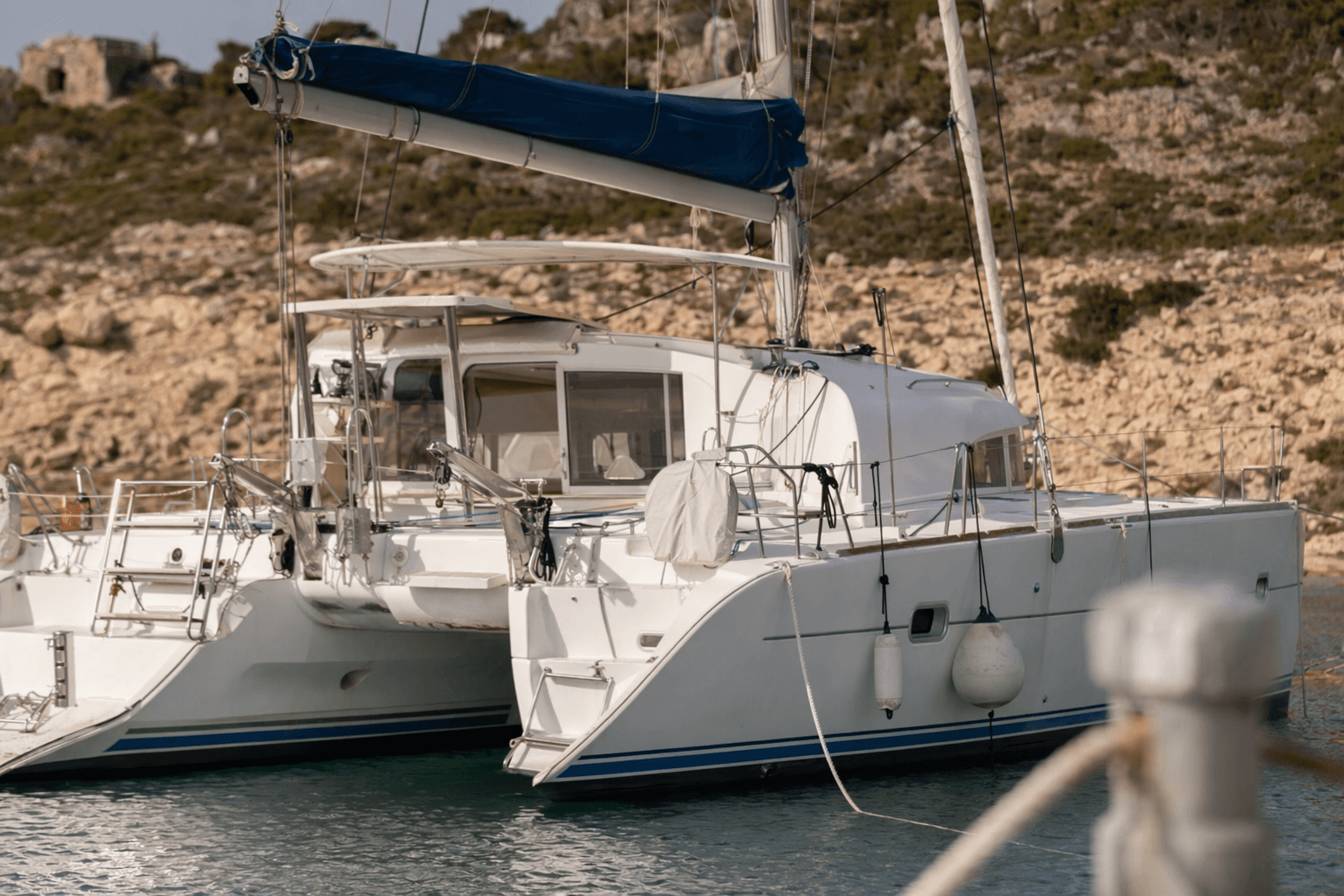
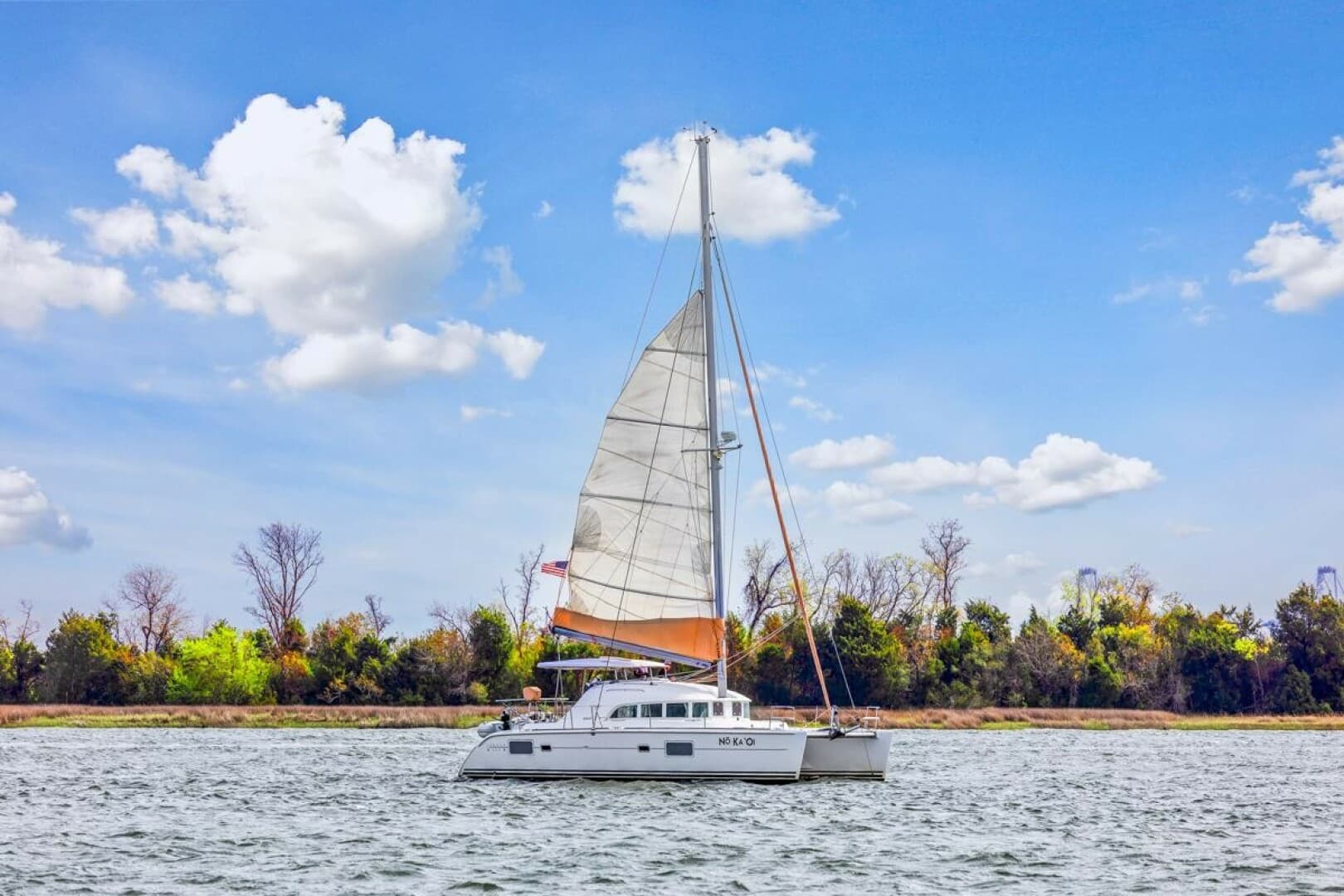
The Lagoon 380 has lasted because it hits a sweet spot that many cruising catamarans miss: real interior volume, easy living spaces, and a reputation that made it the best-selling cruising catamaran ever built. Designed by Van Peteghem and Vincent Lauriot-Prevost, it was built for both cruising and yacht-charter use, which explains why so many examples are still circling the market with familiar layouts and well-worn but workable systems. Practical Sailor’s used-boat deep dive treats that combination seriously, not romantically, and that is exactly the right lens for this boat.
The appeal is simple enough to understand from the dock. The 380 offers a beam of 6.53 m, a draft of 1.15 m, twin 21 hp engines, 300 liters of water capacity, and 200 liters of fuel capacity, all in a package that was meant to be approachable for couples, families, and charter crews. Practical Sailor’s used-boat review also describes it as combining sturdy construction, decent sail performance, and easy-care, luxurious indoor and outdoor spaces, which is a big reason the model still gets attention long after its launch era.
What the price shift changes
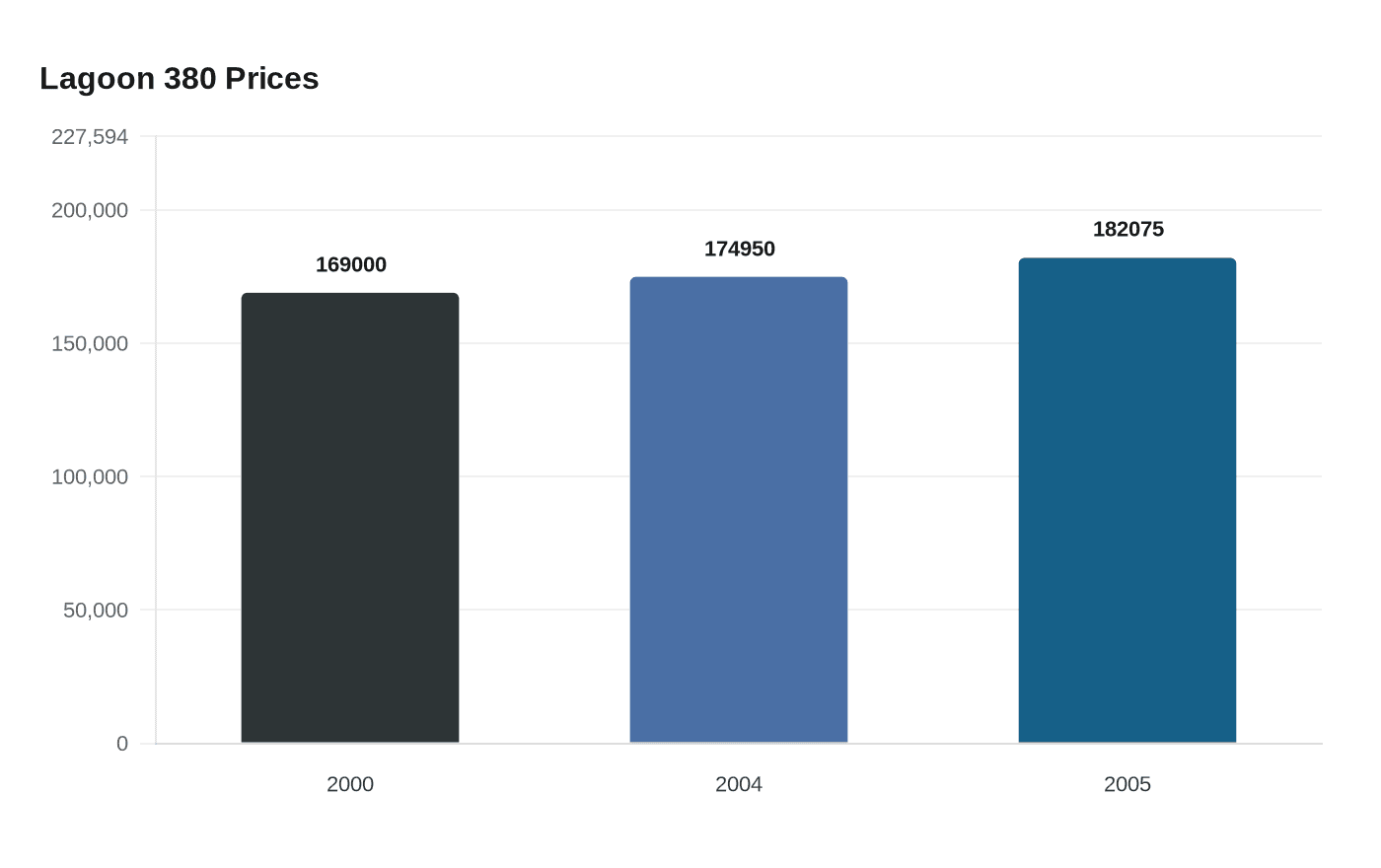
The real story now is not just the boat itself, but where it sits in the market. YachtWorld listings show Lagoon 380 asking prices below $200,000, with examples such as a 2000 boat at US$169,000, a 2004 at US$174,950, and a 2005 at US$182,075, while other listings still sit near or above that line. That spread tells you the model is no longer a distant dream for the buyers who have been watching from the sidelines.
That matters because the Lagoon 380 used to live in a price band that put it out of reach for many sailors moving up from monohulls or smaller cats. Now it is close enough to force a more practical question: is this a cruising platform you can own, inspect, and maintain without tipping into refit overload? The answer depends less on the badge and more on the boat in front of you.
The first triage question: how hard was this boat worked?
The 380’s charter heritage is a strength and a warning at the same time. It was designed for charter use, and that explains why it is so common in charter fleets and marina rows in the Caribbean, Florida, the British Virgin Islands, Saint Martin, and Martinique. A boat that spent years in that environment may have benefited from regular turnover and professional scheduling, but it may also carry the usual charter wear in engines, systems, and interior hardware.
That is why the most important used-boat question is not whether a 380 is a good design. It is whether this specific boat was loved, rotated hard, or left with deferred maintenance. A clean-looking interior can hide exactly the sort of budget leakage that turns a tempting asking price into a refit trap.
What to inspect before you get seduced by the layout
The Practical Sailor video framing is useful because it pushes buyers toward the systems that matter most: saildrives, maintenance concerns, build quality, charter history, and owner feedback. On a boat like this, those are not side issues. They are the difference between a solid cruiser and a project that keeps eating weekends and cash.
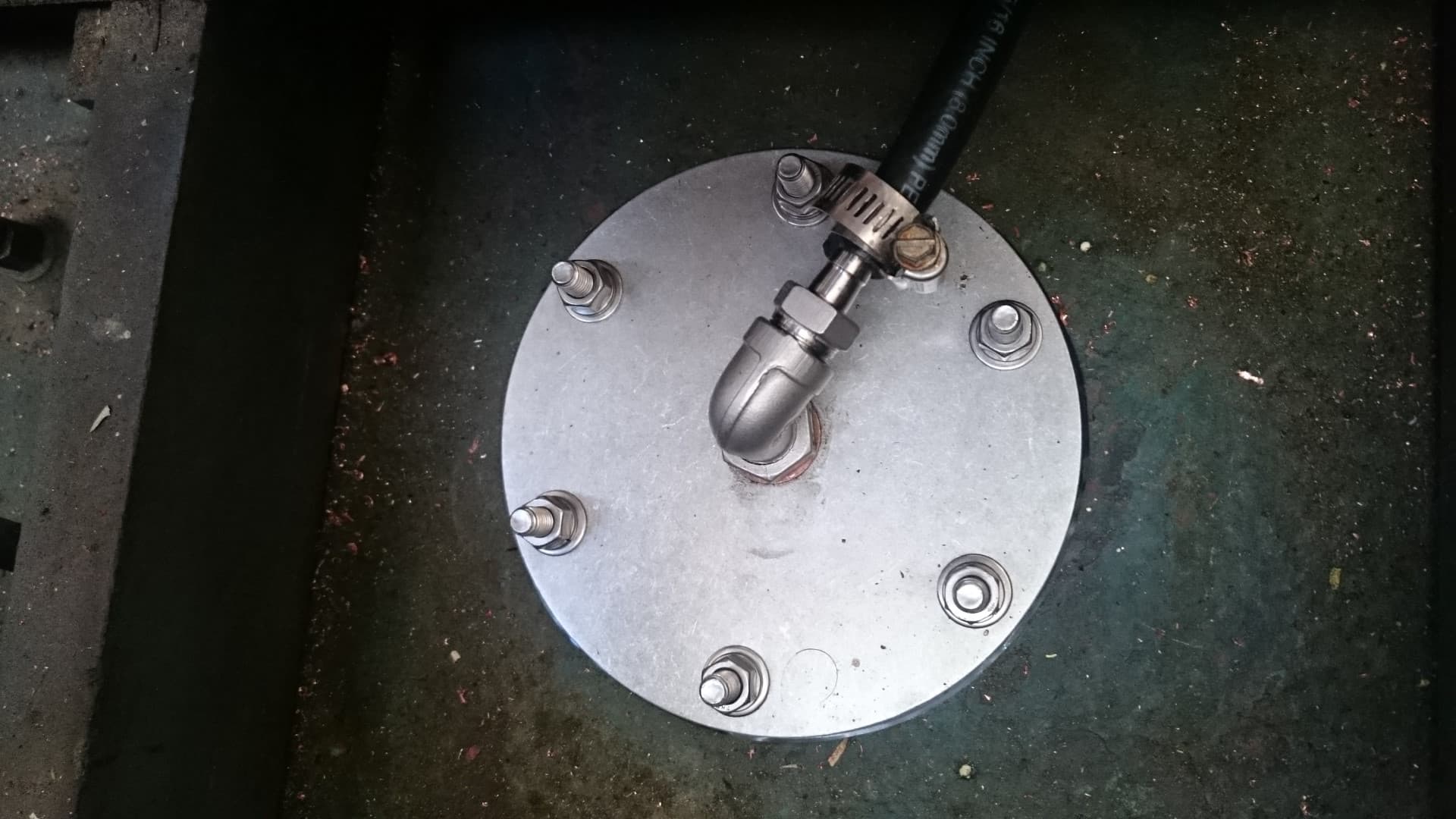
- Saildrives and surrounding structure, because this is one of the first places used-cat owners get burned
- Engine condition and service history for the twin 21 hp motors
- Evidence of charter abuse, including worn upholstery, tired hardware, and repetitive cosmetic fixes
- Structural soundness, especially around areas that take load and water intrusion
- Maintenance records, because clean paperwork often tells you more than shiny gelcoat
A smart inspection on a Lagoon 380 should focus on:
The boat’s dimensions and systems are modest enough to be manageable, but that does not make the maintenance simple. The seller who says “everything works” is not enough; you want proof that the expensive stuff has not been deferred behind a fresh polish.
Owner-manageable fixes versus refit traps
Some Lagoon 380 issues are exactly the kind of work a DIY cruiser can take on without losing the season. Cushions, soft goods, corroded fixtures, pumps, hoses, wiring cleanups, and many routine service items fall into the owner-manageable category if you are methodical and honest about your own skill set. The same goes for standard preventative maintenance, especially on a boat that has seen years of use in warm-water cruising grounds.
The danger zone is the hidden systems work. Saildrives, engine compromises, water intrusion, and signs of broader build-quality questions can move a boat from bargain to burden very quickly. That is where the low asking price stops being the headline and starts becoming the entry fee for an expensive season of catch-up work.
Why production history still matters
The Lagoon 380 is not some obscure one-off with a fragile parts trail. Sources commonly place first build in 2000, note the Lagoon 380 S2 arriving in 2003, and say production ran until 2019. Depending on the source, total production is reported at around 760 boats or closer to 1,000, which is still enough volume to make the model feel familiar in the used market.
That long run is part of the reason support and knowledge still exist around the boat. Lagoon’s current support channels point owners toward second-hand boat information, spare parts, administrative documents, and maintenance help, which is exactly what you want to see for an older production catamaran. It does not erase age-related wear, but it does make ownership less isolated than it would be for a niche build with no afterlife.
The reality check behind the reputation
It is easy to fall in love with the Lagoon 380 because the model has such a strong reputation, and for good reason. It has crossed oceans, completed circumnavigations, and built a reputation as a comfortable, workable cruiser that gives buyers a lot of boat for the money. But the owner conversation also includes frustration, and a 2018 forum post describing multiple problems and weak assistance is a reminder that brand popularity never guarantees a painless ownership experience.
That tension is what makes the boat interesting now. The Lagoon 380 is popular because it is accessible, roomy, and proven, but those same qualities can hide a lot of wear if you only shop with your eyes. The used prices falling below $200,000 open the door wider, yet the best deals still belong to buyers who inspect like refit planners and budget like they expect surprises.
Know something we missed? Have a correction or additional information?
Submit a Tip