Water-contaminated diesel leaves Sydney Harbor wooden boat dead after refuel
A 30-foot wooden boat ran only a few hundred meters after refueling before dying. The water had already reached the diesel pump.
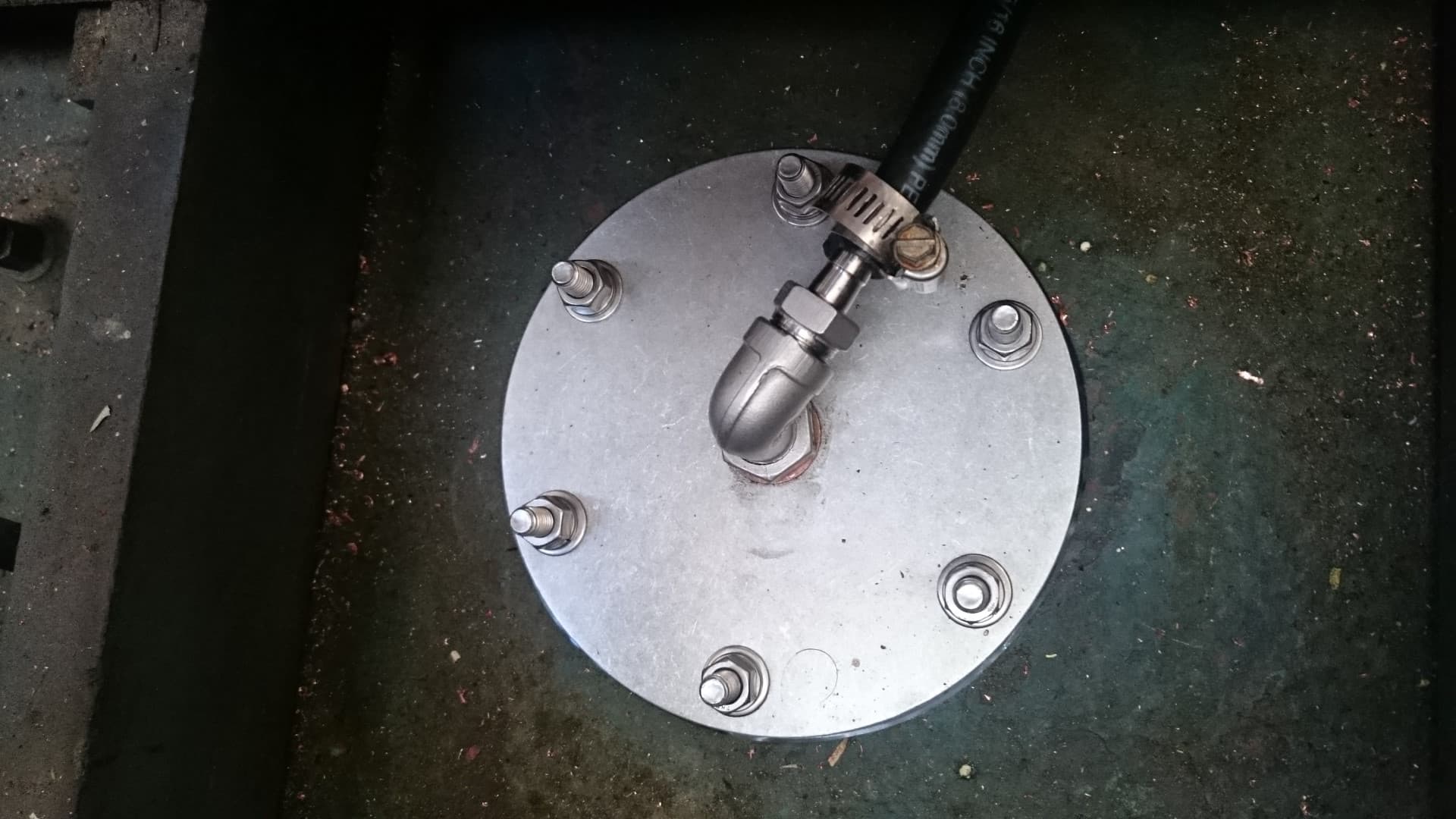
One refuel was enough to strand a 30-foot wooden boat in Sydney Harbour. The boat had been idle for more than a year, took on fresh diesel, then managed only a few hundred meters, or a few minutes of running time, before the engine died and would not restart.
That failure chain is the part DIY sailors should study. Mobile Marine Service traced the problem to water contamination in the fuel system, with water already reaching the diesel engine pump. The boat did have a drain at the bottom of the tank, but it was not working, so water had been left to build up instead of being removed. The fuel pickup line was also in the wrong place, and the fix included a custom stainless pickup to correct it.
This was not a clean-fuel problem that showed up as a simple filter change. It was a tank problem that had been quietly growing while the boat sat unused. Once water gets past the tank bottom and into the fuel path, the damage is no longer theoretical. The United States Coast Guard has warned that heavily water-contaminated fuel can first reduce power and then shut an engine down completely, with total loss of propulsion following close behind.
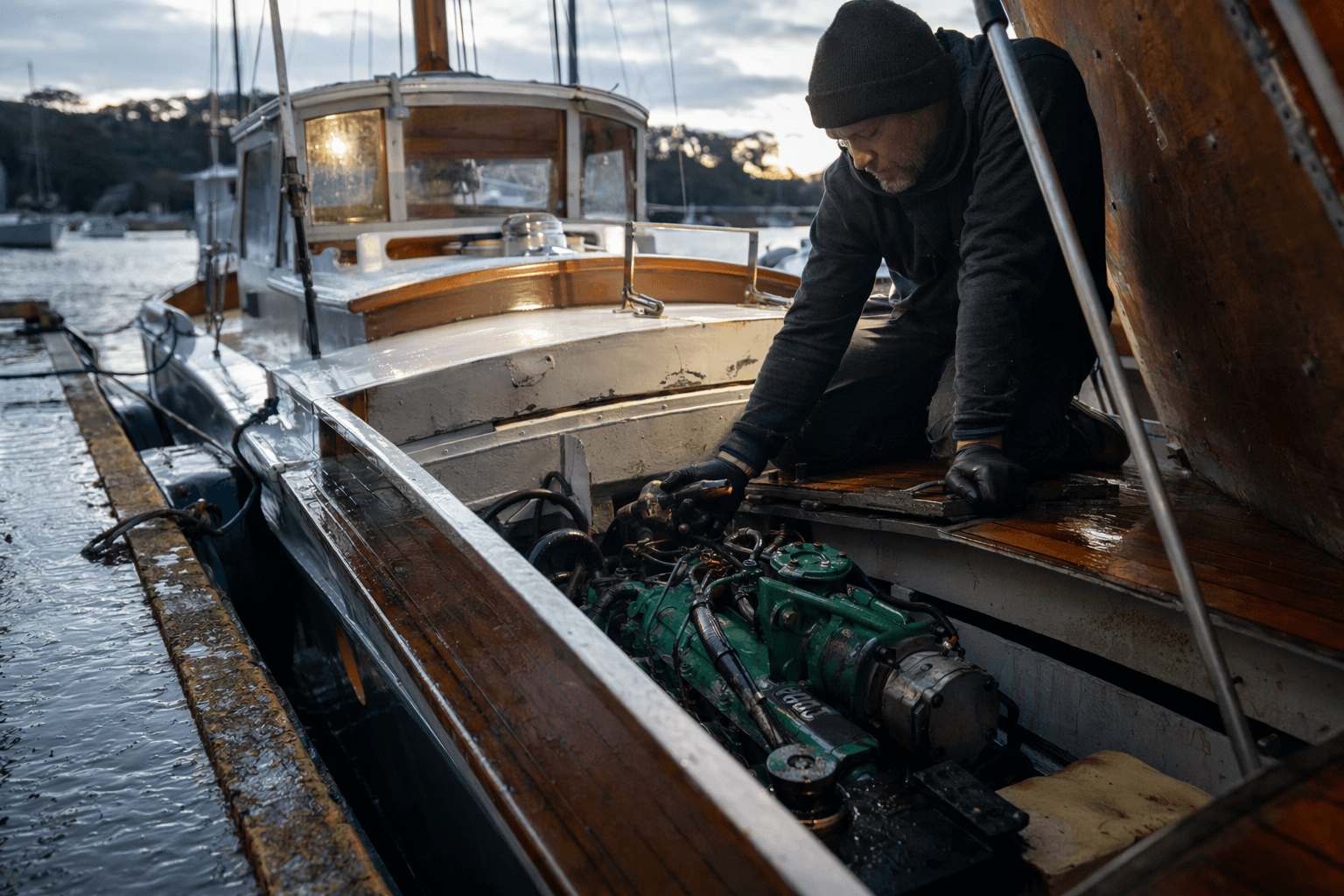
The warning signs are familiar to anyone who has chased diesel trouble aboard a cruiser or workboat. The Royal Yachting Association says water gets into diesel through condensation, faulty seals, and vent pipes, and diesel itself already contains some water. When those small sources stack up, contamination can sit in the tank, gather at the bottom, and move straight into the pickup when the boat finally runs hard after a long layup.
Mobile Marine Service is now offering diesel fuel tank cleaning and fuel polishing with Clean Diesel Australia technology, and that distinction matters. Their multistage process is built to remove free water, suspended and emulsified water, particles, sludge, and other contamination from diesel fuel. In a case like this, where the tank drain was nonfunctional and the pickup was wrongly positioned, polishing alone would not be enough unless the tank, drain, and pickup issues were also addressed.
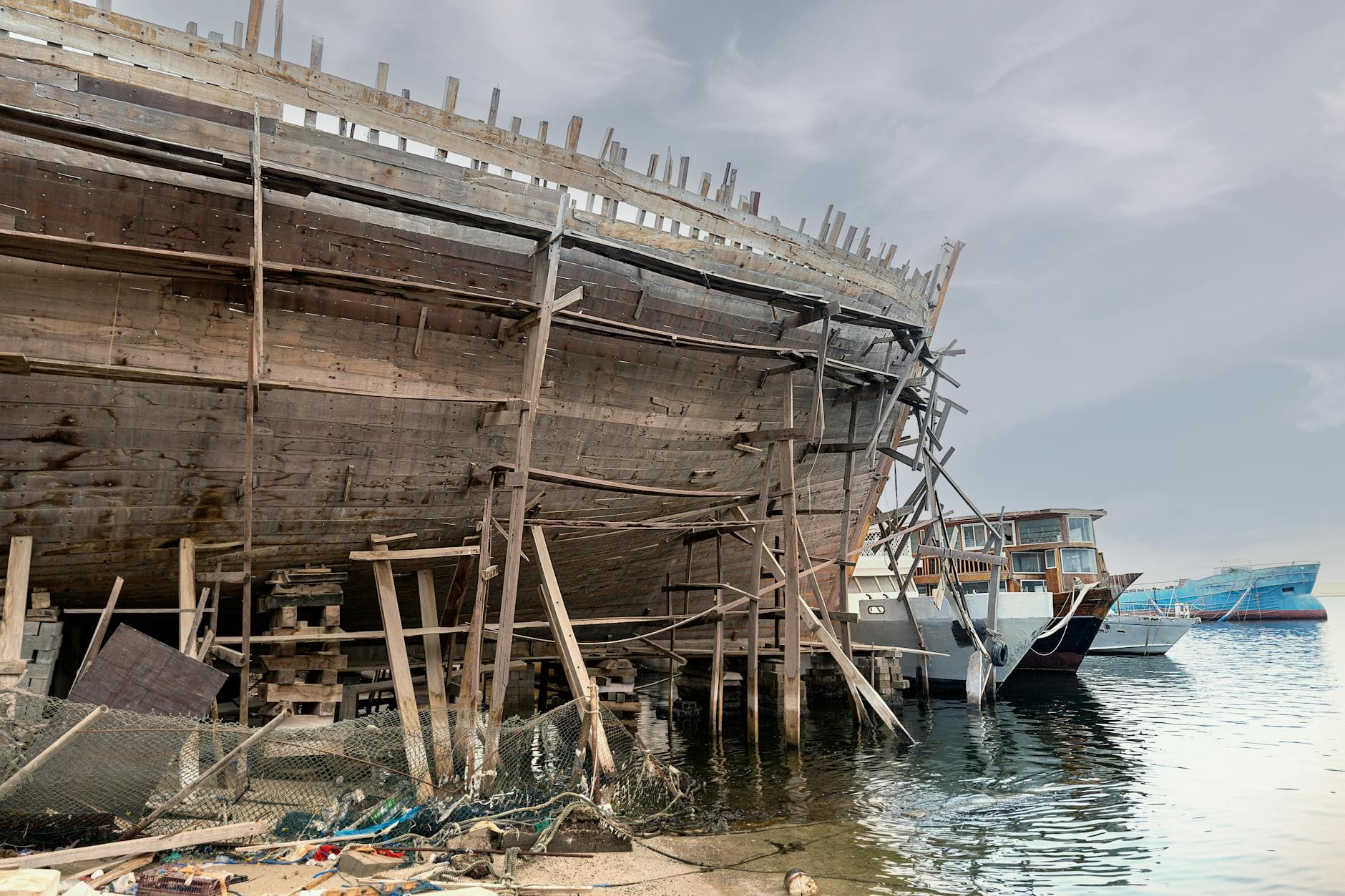
Sydney Harbour is a busy waterway used by recreational and commercial vessels, and it comes with special boating rules for good reason. A dead engine there is not just inconvenient; it can become a docking problem, a traffic problem, and a safety problem fast. The lesson from this wooden boat is blunt: check the bottom of the tank, verify the drain works, inspect seals and vent pipes, and make sure the pickup is actually drawing from the right place before the next refuel turns into an engine-out emergency.
Know something we missed? Have a correction or additional information?
Submit a Tip