Lalizas signal day diamond explains motorsailing COLREGS compliance
A small black day diamond can keep a motorsailing boat from being mistaken in traffic. For sailboats under power, the trick is knowing when to show it, and keeping it ready.

The Lalizas Signal Day Diamond is the kind of gear that sits quietly in a locker until the day it saves you from a very public misunderstanding. If you sail with the engine running, especially with the sails still up, that black shape tells nearby traffic exactly what you are doing. It is a small piece of compliance kit, but in tight water it can make the difference between being read correctly and being guessed at.
What the signal actually means
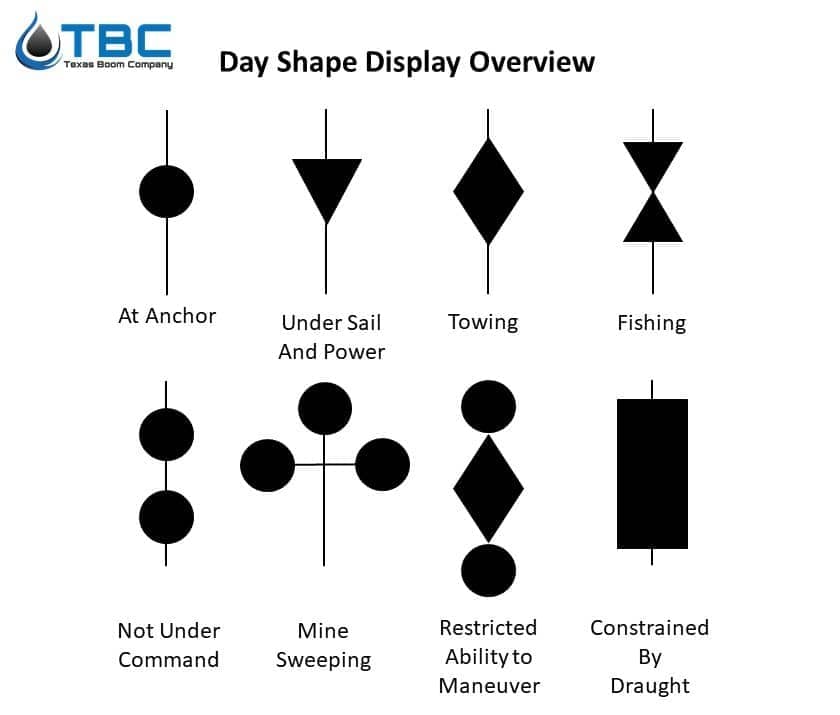
Under the International Regulations for Preventing Collisions at Sea, better known as COLREGS, a sailing vessel that is also being propelled by machinery must show a conical day shape, apex downward, forward where it can best be seen. That is the basic motorsailing signal, and it exists because other boats need to know whether you are making way under sail alone or under sail and power together. The COLREGS themselves are not a tiny special case either. The International Maritime Organization breaks them into 41 rules across six sections, so this one signal sits inside a much bigger collision-avoidance system.
The U.S. Navigation Rules carry the same idea. A vessel proceeding under sail and also being propelled by machinery must exhibit the conical shape forward, where it can best be seen. The rules also make a practical exception for smaller boats: a vessel under 12 meters is not required to exhibit the shape, though it may do so. That detail matters on cruising yachts, where skippers often assume the day shape is only for larger commercial traffic or race committees.
When sailors forget to rig it
The mistake usually happens in plain sight. You motor out with the main up, you punch through a chop with the jib poled or furled, or you start the engine to creep into a marina where sail control alone is not enough. In all of those cases, the boat is no longer just “a sailboat” in the simple sense people on the water may assume. The signal is there to remove that ambiguity before it becomes a close pass, a shouted question, or a bad call on who has what intention.
That is why day shapes are not a niche novelty. They are part of the standard day-time language of the COLREGS, and the Navigation Rules say the shape requirements are complied with by day. The rules also tie shapes and lights to Annex I, which is a reminder that visible signaling is not an afterthought bolted onto seamanship. It is part of the same operating discipline as keeping a proper lookout and making clear, predictable moves in traffic.

The Lalizas 72732 is built for the job, not the drawer
MAURIPRO’s Lalizas Signal Day Diamond 72732 is a black, rigid day shape sized at 47 3/16 by 23 5/8 inches. The product page says it is designed to be mounted on the masthead, which is the right place if you want the signal high, clear, and visible around deck gear and sails. It also uses heavy-duty fabric construction with inner framing, and it folds down for storage, which is exactly what you want from a piece that should be ready but not in the way.
That collapsible design matters more than it sounds like it should. A lot of compliance gear fails in the real world because it is annoying to stow, awkward to deploy, or too fragile to bother carrying. A shape that can live below, come out fast, and go back away cleanly is far more likely to be used when motorsailing turns from a theory into a Tuesday afternoon.
Lalizas is not a fly-by-night label either. The company says it was founded in Piraeus, Greece, in 1982, and that within three years the brand name became closely associated with safety in sailing. It now says it manufactures and distributes more than 10,000 marine and safety products and has commercial presence in about 130 countries. That kind of scale does not make the day diamond legal by itself, but it does explain why this sort of signal gear shows up on serious cruising boats and not just on the edges of the market.
How to rig it so it is actually usable
A motorsailing signal only works if you can get it up quickly and place it where it can be seen. If you bury it under sails, fenders, or spare line, you have turned a compliance item into dead weight. The whole point of the Lalizas 72732 is that it is built to be easy to stow, then ready for the moment the engine comes on under sail.
A practical routine is simple:
1. Keep the folded shape with the rest of your navigation gear, not at the bottom of a random locker.
2. Stow it where you can reach it before you need to clear the harbor or enter crowded water.
3. Rig it forward or at the masthead so the signal is visible from the approach angle other boats actually see.
That last part matters because placement is part of the rule, not a style choice. “Forward where it can best be seen” is the key phrase in both the U.S. rules and the product guidance, and it tells you exactly what to optimize for. If it cannot be spotted quickly from ahead, it is not doing its job.
Why this minor signal matters in real traffic
The embarrassment factor is real, but the safety factor is bigger. A boat under sail with the engine running may be moving differently than a pure sailboat, and surrounding traffic needs that information now, not after an almost-incident. The day diamond helps other skippers read your status at a glance, which is exactly what collision-avoidance signaling is supposed to do.
There is also a legal edge to this that sailors ignore at their peril. The United States Coast Guard can assess civil penalties for navigation-rule violations, and federal law under 33 U.S.C. 1608 sets civil penalties of up to $5,000 per violation. That is a steep price for skipping a piece of gear that folds up, clips in place, and exists to prevent confusion in the first place.
The whole lesson is easy to miss because the signal itself is small. But that is the point of good seamanship: the little black diamond is there so everyone else knows, immediately and without argument, that the sailboat moving through the traffic lane is also under power.
This article was produced by Prism’s automated news system from verified source data, official records, and press releases, then run through automated quality and moderation checks before publishing. The system is built and supervised by the people who set the standards it runs under. Read our full AI policy.
Did this article answer your question?