Low-Cost DIY Alcohol-Stove Heater Adds Safe Cabin Warmth for Small Boats
A practical DIY cabin heater using a non-pressurized alcohol stove offers small-boat crews an inexpensive, quick-build way to add safe warmth when done with proper venting and mounting.

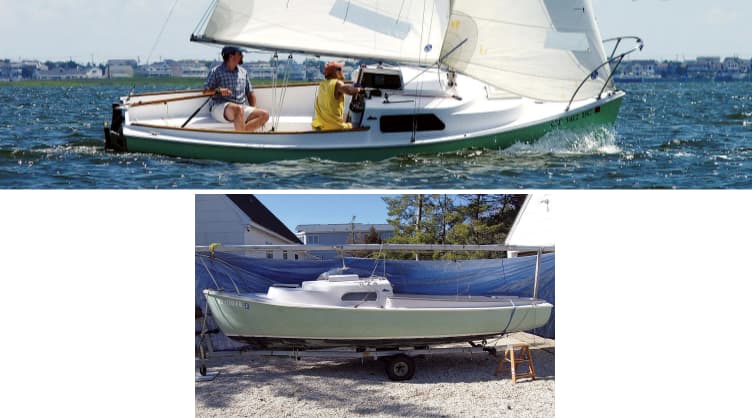
Drew Frye outlined a low-cost, quick-build cabin heater that routes the exhaust of a non-pressurized alcohol stove into a small heat-transfer box and a short, insulated smoke stack that vents outside, providing usable cabin warmth for small cruisers without permanent systems. The design targets pocket cruisers such as the F-24 and is intended as a pragmatic field solution for skippers who want heat without ripping out the galley or installing a diesel or hydronic heater.
At the heart of the system is an approved non-pressurized alcohol stove - examples include the Origo 2000CB - used strictly as the combustion element. Frye recommends building a metal or stainless heat-transfer box directly above the stove so combustion gases pass over a large heated surface before entering a vertical, insulated smoke stack that vents outside the hull. The approach keeps combustion products out of the cabin by providing a dedicated external vent and uses a small intake or passive convection path so cabin air circulates past the heated box and returns to the interior as warmed air.
Safety and practical details are emphasized throughout the build narrative. Secure mountings and a stable base are essential so the stove cannot tip if the boat heels or the vessel moves. Adequate clearance to combustibles is required around the stove, transfer box, and stack. Access must be maintained for refueling and for cleaning soot from the box and stack. Wherever possible follow the stove manufacturer instructions and local regulations for on-board combustion and fuel storage.
The design is deliberately minimalist: it avoids pressurized fuel systems, complex ductwork, and heavy installations that small boats cannot easily accommodate. That simplicity makes it attractive for weekend cruisers, liveaboards on a budget, and owners of older boats like the F-24 that lack built-in heating. Practical tradeoffs include lower sustained power compared with diesel heaters and a need for frequent refueling and routine shore testing to confirm secure venting and combustion behavior.
Frye repeatedly cautions on ventilation, fuel storage, and testing. Test the stove and venting arrangement on shore before installing and before taking it offshore. Store denatured alcohol in approved containers and away from sleeping spaces and fuel systems. Maintain a carbon monoxide detector appropriate for small boats and check the detector and alarms regularly.
For those who want cabin warmth without a permanent heater, this build provides an accessible, low-cost route that remains within the skipper’s control. Verify ventilation paths, secure fastenings, and fuel-handling plans, test thoroughly on land, and consider this setup an interim or seasonal solution rather than a replacement for certified heating systems.
Know something we missed? Have a correction or additional information?
Submit a Tip