Marine diesel labels blur as biofuel content rises at docks
Marine diesel labels now hide more than they reveal. The right fuel choice depends on tank condition, lay-up time, and how hard your auxiliary works, not just the word on the pump.
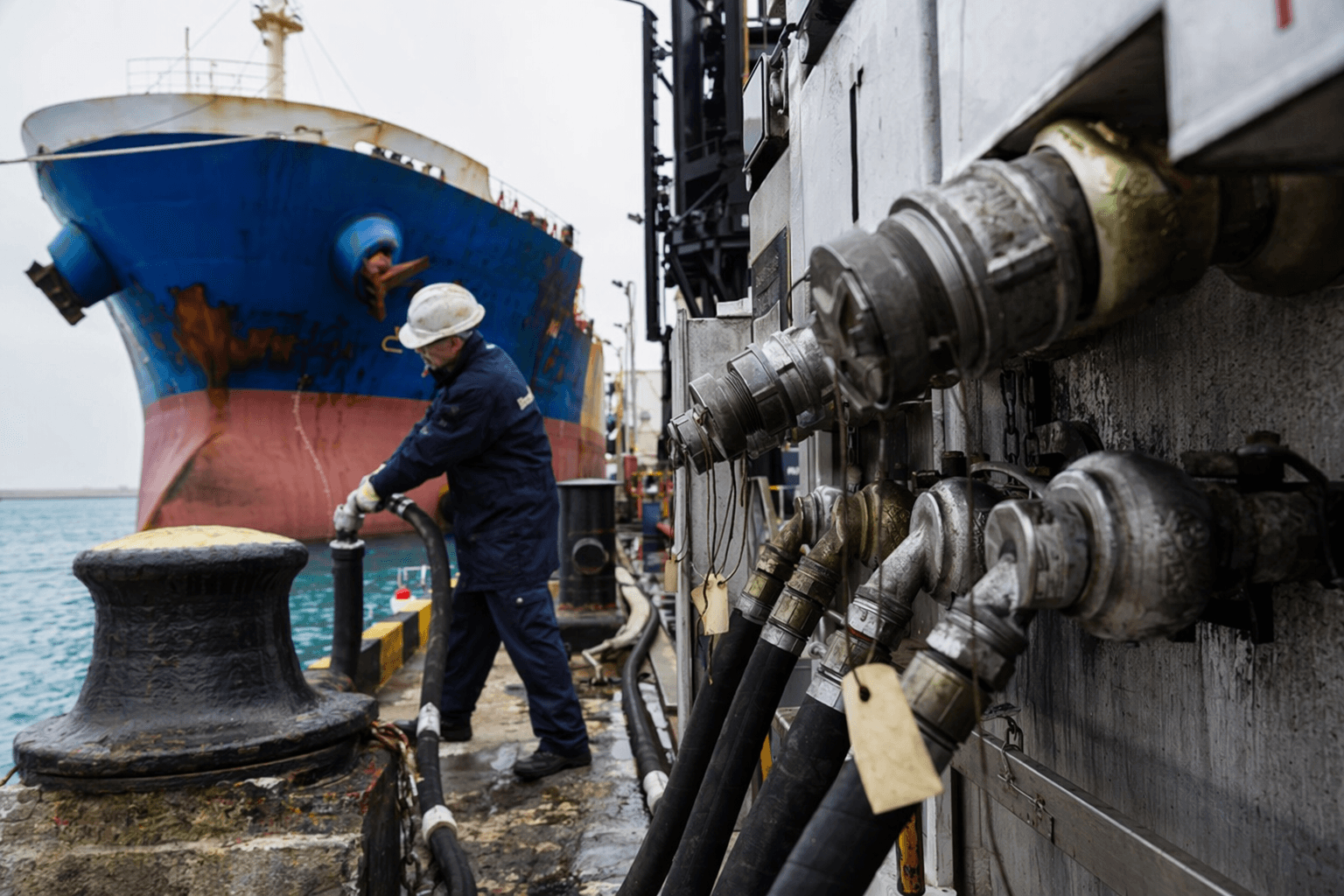
The label at the fuel dock is no longer the whole story
What used to feel simple now takes a quick sanity check. Marine diesel is harder to source, the same label can mean different blends at different marinas, and suppliers are increasingly selling fuel that can contain up to 7% biofuel. That leaves diesel auxiliary owners with a real-world decision: pay extra for FAME-free fuel, or run on what the dock gives you and stay disciplined about fuel management.
Stu Davies, answering a reader’s question for Practical Boat Owner, puts his finger on the shift. Traditional marine diesel once differed from road diesel in viscosity, sulphur content, and the absence of bio content. Now the marine market is smaller, the old special-case supply is shrinking, and the word “marine diesel” has become more commercial than technical. One marina’s marine diesel may not be the same as another’s.
Why FAME changes the maintenance burden
FAME, or fatty acid methyl ester, is the biodiesel component that matters most to sailors. It is not just a chemistry detail; it changes how fuel behaves in a boat’s tank. The Royal Yachting Association warns that biodiesel blends are hygroscopic, which means they can hold more water than normal diesel, and that extra water raises the risk of corrosion, sediment formation, and blocked filters.
That is the failure chain DIY sailors know too well. Water in the tank feeds contamination. Contamination breeds diesel bug. Sludge and loose debris then migrate to the primary filter, and once that filter starts to load up, the engine can stumble at exactly the wrong time, whether you are leaving a berth or punching into weather. FAME does not guarantee a problem, but it makes storage and housekeeping matter more.
When paying for FAME-free fuel actually makes sense
FAME-free fuel earns its keep when the boat itself increases the risk. A clean, well-maintained tank on a boat that burns fuel regularly can usually tolerate B7 far better than an old auxiliary that sits half the season. The more the tank lives through long lay-up periods, changing temperatures, and little use, the stronger the case for paying for the cleaner option.
It is worth leaning toward FAME-free if any of these describe your setup:
- The tank is older, hard to inspect, or already known to carry sludge or water.
- You have a history of blocked filters, dark fuel, or signs of microbial growth.
- The boat sits for long periods and only gets light use.
- The engine room has older seals, hoses, or rubber parts that you are watching closely.
- You cannot easily lift, drain, or clean the tank if contamination shows up later.
The logic is straightforward. FAME-free fuel does not just buy you a different label; it buys you more time before water and contamination start working on the system. If your boat is a laid-up cruiser rather than a near-daily commuter, that extra buffer can be worth far more than the price gap at the pump.
When good fuel management is enough
The other side of the ledger is equally important. If you are using the boat regularly, keeping turnover high, and staying on top of tank care, B7 can be perfectly workable. Malcolm Denham of the Cruising Association says he has used B7 diesel in France for 10 years without issue, while stressing regular tank cleaning and good housekeeping. That is the key point: the fuel matters, but the handling matters just as much.
Good fuel management can be enough when:
- The tank is clean and dry, with no history of bug or sludge.
- You run the engine often enough that old fuel does not sit for months.
- Filters are changed on schedule and kept under observation.
- You draw fuel from high-turnover sources, especially when the boat is laid up for a while.
- You are willing to treat fuel as part of routine maintenance, not an afterthought.
That last point is what separates the low-drama boats from the ones that end up with a clogged Racor and a dead stop in a narrow channel. If your system is healthy and your fuel does not have time to age, the standard 7% FAME blend can be a manageable compromise.
Know what the pump is really selling
The terminology now needs decoding. The Royal Yachting Association says rebated red diesel, including rebated sulphur-free diesel and rebated bioblend, can still be bought waterside in Great Britain, but any fuel used for propulsion in private pleasure craft must be paid at the full rate of duty. HM Revenue & Customs still keeps marine-voyage fuel-duty guidance active, with the latest update dated 18 November 2025, which is a reminder that tax treatment is still part of the buying decision.
The engineering standards have shifted too. ISO 8217:2024 now covers petroleum, synthetic, and renewable fuels, plus FAME where permitted, and it replaced ISO 8217:2017. That matters because the formal definition of marine fuel is now broader than the old petroleum-only mental picture many owners still carry around. In practical terms, the label is no longer a guarantee of composition.
Certas Energy says the maximum percentage of FAME that can be added to diesel, DERV, and gas oil or red diesel within the British specification is currently 7%, and it points out that suppliers are legally required to meet RTFO targets. That helps explain why FAME keeps appearing in the supply chain. The market is being pushed in that direction whether boat owners like it or not.
A dockside decision guide for diesel auxiliaries
If you want a quick rule of thumb, start with the tank, not the pump. A boat with a clean tank, modern seals, steady use, and disciplined filter changes can usually live with B7. A boat with an older tank, uncertain history, long lay-up periods, or a tendency toward contamination is a better candidate for FAME-free fuel.
Use this decision path:
1. Check the tank condition first.
If you already fight water, debris, or bug, fix that before assuming any fuel will save you.
2. Look at how often the boat runs.
Frequent use and high fuel turnover reduce the risk that FAME and water will sit long enough to cause trouble.
3. Think about storage life.
The longer the fuel must sit, the more the hygroscopic nature of biodiesel blends works against you.
4. Inspect seals and filters.
If you have older rubber parts or a history of filter loading, the safer fuel choice may be the one that keeps the system calmer.
5. Buy the fuel that matches your maintenance reality.
FAME-free is a good investment when you need a margin of safety. Good housekeeping is enough when the boat is clean, active, and easy to maintain.
The old split between “marine diesel” and “road diesel” has blurred, and the dockside label will not rescue a neglected tank. The smartest money goes where the risk actually lives: in storage, contamination control, and the fuel system itself.
This article was produced by Prism’s automated news system from verified source data, official records, and press releases, then run through automated quality and moderation checks before publishing. The system is built and supervised by the people who set the standards it runs under. Read our full AI policy.
Did this article answer your question?


