modern marine electronics turn older boats into connected command centers
Older boats don’t need a gadget swap. They need a backbone first, or the prettiest screen on the boat still won’t save a dead network.
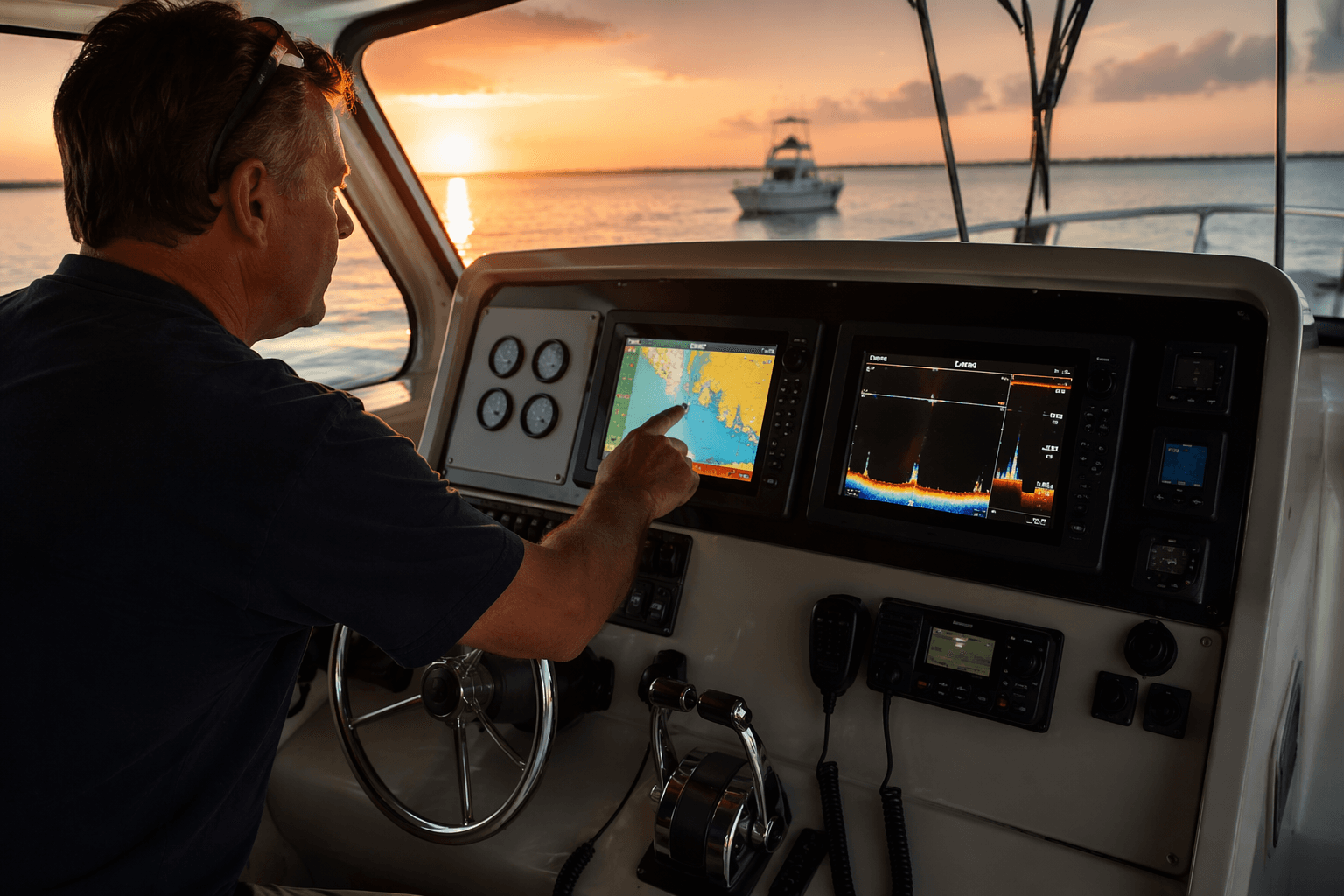
Start with the boat’s nervous system, not the shiny screen
If your older sailboat still feels like a pile of separate gadgets, that is the real problem. A modern refit is not just a chartplotter bolted to the helm or a new VHF tucked under the sprayhood. The shift now is bigger: displays, AIS, radar, power systems, cameras, lighting, and onboard communications are increasingly tied together as one connected marine ecosystem.
That matters because the first failure in an old boat’s digital backbone usually is not the display itself. It is the wiring, the power distribution, the network, or the way everything was installed and made to talk to each other in the first place. If you want safety, reliability, and fewer surprises offshore, you need to think like a systems builder, not a box buyer.
What the modern helm is really doing
The modern helm is no longer a single-purpose console. Garmin, Raymarine, Furuno, Lowrance, and Simrad have all pushed the glass-helm idea hard, and the result is a command center that can stack high-resolution charts, satellite imagery, AIS targets, radar overlays, live weather, and routing tools in one place.
Garmin says its chartplotters can bring “a wide range of control functions together at your helm,” and that is exactly the right way to think about the upgrade. Raymarine pitches its Axiom line as ready to expand and network with multiple displays, radars, sonar, and more. In practice, that means the screen is doing far more than showing your position. It is becoming the place where navigation, awareness, and control all meet.
For an older boat, that changes the value equation. A better navigation picture is not a luxury add-on when you run narrow channels, cross busy traffic lanes, or leave the harbor in bad light. A cleaner display with AIS, radar, and weather layered together buys real safety margin because you see less late and react less blind.
The first money should go to the backbone
Here is the part owners miss when they start shopping gear: a good-looking helm is worthless if the system underneath it is fragile. Before you buy the second screen or the fancy add-on, you need to know how the boat handles power, how data moves, and how each device will be supported later.
That means treating the refit as a backbone project. On an older sailboat, the highest-consequence failures are the things that keep the boat from telling you what is happening: power distribution, networking, AIS, VHF, and GPS and chart integration. If the boat cannot distribute clean power or pass data reliably, the smartest electronics package in the world will still behave like a pile of separate gadgets.
A practical order of attack looks like this:
- Clean up and document power distribution first.
- Build the network backbone before adding more displays.
- Make sure AIS, VHF, and chartplotter integration works as a single system.
- Add radar, cameras, lighting, and entertainment only after the core is stable.
That sequence is not glamorous, but it is the difference between a refit that feels sorted and one that turns into a tangle of adapters, warnings, and dead components.
Why the standards matter more than the marketing
This is where the alphabet soup actually earns its keep. The National Marine Electronics Association says NMEA 2000 is the industry’s networking standard for connecting marine instrumentation within vessels. It also says OneNet is an IP networking standard for marine electronic devices based on IPv6 and Ethernet.
That tells you where the industry is headed. NMEA 2000 has been the backbone for instrument networking, but OneNet points toward a broader Ethernet-style architecture that can carry more data more cleanly. NMEA released version 3.000 of the NMEA 2000 standard on April 6, 2022, and released OneNet in December 2020. This is not an old industry standing still. It is actively moving toward more capable networks.
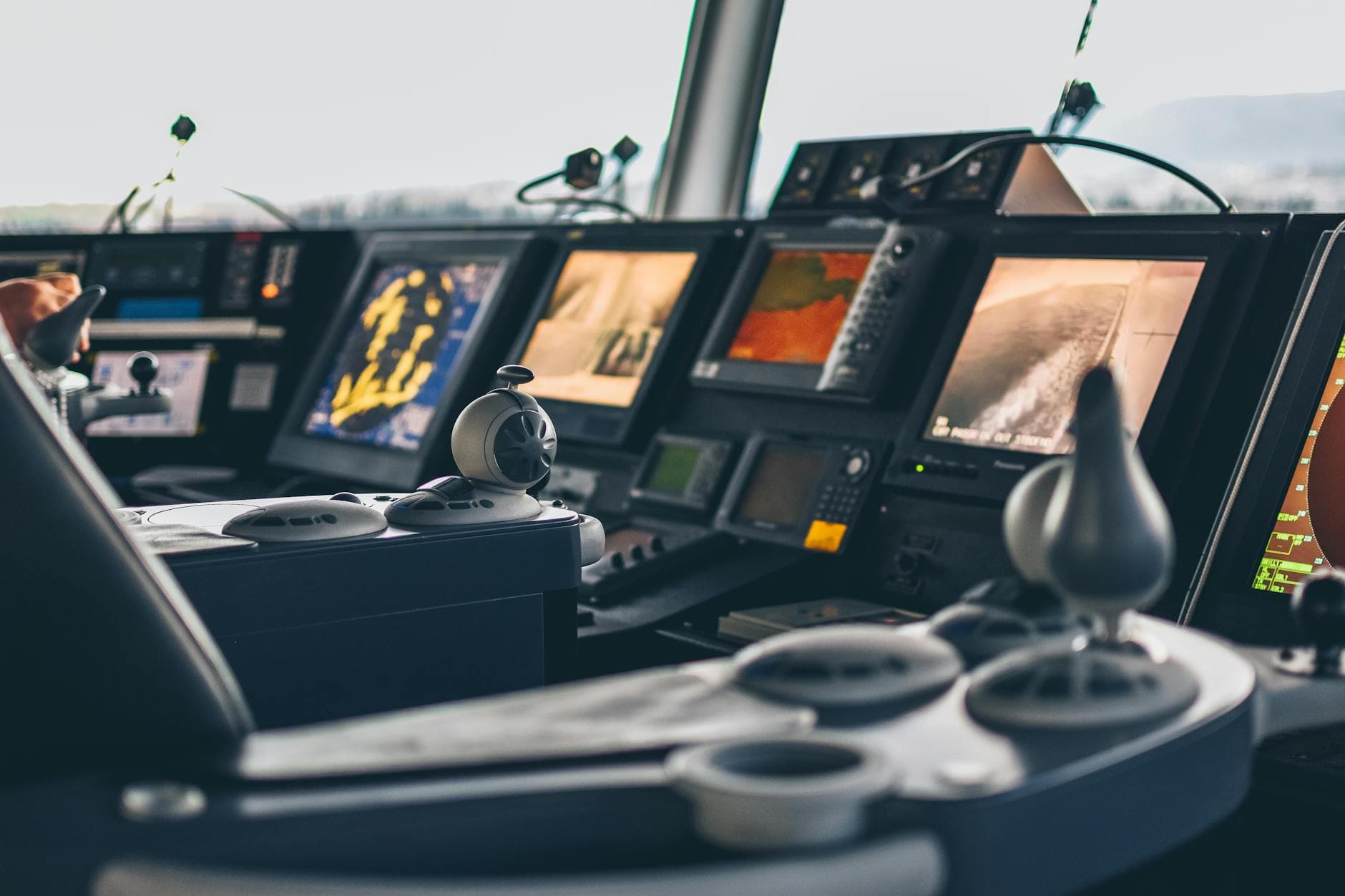
Training matters here too. NMEA says it has an extensive training program for new and veteran marine electronics installers. That should tell you something: the installation skill now matters almost as much as the brand name on the box. A sloppy network run on a nice boat will create more grief than a modest system installed correctly.
Do not ignore the electrical side
Marine electronics refits are also electrical refits. The American Boat & Yacht Council’s E-11 standard covers AC and DC electrical systems on boats, and E-13 addresses lithium-ion battery selection, installation, and system design. ABYC updated both standards in 2025, which is a reminder that the rules around real-world boat electrics keep evolving along with the hardware.
That matters because modern systems pull more from the boat than the old standalone electronics did. Bigger displays, networking gear, cameras, and always-on connectivity all ask more of the electrical system. If you are moving to lithium house banks or redesigning the charging side, E-13 becomes especially relevant. If the AC and DC sides are a mess, the electronics refit will inherit that mess.
The smartest money often goes into boring work: clean bus bars, proper protection, sensible cable runs, labeled circuits, and a system that can actually support the devices you plan to add later. That is how an older boat starts to feel modern without becoming fragile.
Where AIS and VHF fit in the hierarchy
AIS is no longer a niche bolt-on, and that changes how you should think about priorities. The U.S. Coast Guard requires AIS Class A on certain commercial vessels, including self-propelled vessels of 65 feet or more engaged in commercial service. Recreational sailors are not carrying that same legal burden, but the technology has become mainstream enough that chartplotters and networked displays increasingly assume it will be part of the onboard picture.
That is why AIS and VHF belong near the top of your refit list, not the bottom. If the boat cannot send, receive, and display traffic information cleanly, your situational awareness collapses right when you need it most. On a modern network, AIS is not just another widget. It is part of the boat’s safety language.
What can wait until the backbone is right
This is where a lot of owners overspend too early. Offshore connectivity, onboard cameras, digital switching, and fancy lighting are real improvements, and they absolutely belong in the larger conversation. BoatTEST’s point is that they are now part of the same ecosystem, not separate toys. But they are not the first pieces I would throw money at if the boat still has weak power distribution or a half-finished network.
A refit should make the boat safer, easier to live with, and easier to trust. Cameras can wait if the helm cannot reliably show AIS. Networked lighting can wait if the power side is sloppy. Even the slickest glass helm is just expensive furniture until the backbone is sorted.
The smart way to make an older boat feel new
The real win in a marine electronics refit is not novelty. It is confidence. When the network is built right, the displays make sense, the power is stable, and the critical systems talk to each other without drama, the boat stops feeling old in the places that matter.
That is the point of the whole exercise: not to modernize for the sake of it, but to turn a tired pile of separate electronics into a command center you can trust when the weather goes sour, the traffic thickens, and the old boat needs to earn your faith one passage at a time.
This article was produced by Prism’s automated news system from verified source data, official records, and press releases, then run through automated quality and moderation checks before publishing. The system is built and supervised by the people who set the standards it runs under. Read our full AI policy.
Did this article answer your question?