Nail polish trick helps Max-Prop zinc stay put longer
A few coats of nail polish can help a Max-Prop zinc hold its screw edges longer, keeping an expensive anode from crumbling off before it is fully spent.
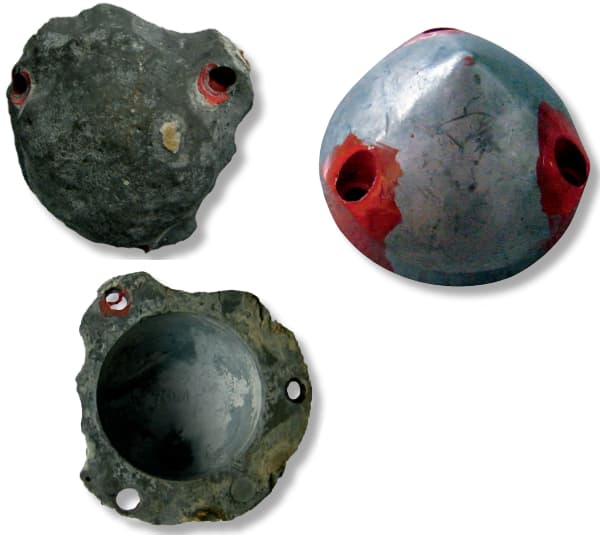
A Max-Prop zinc is supposed to wear away slowly, not give up at the screw holes first. The weak point is the thin edge around the three machine screws that hold the cone-shaped anode to the casting, and once that edge is eaten away, the zinc can loosen, crumble or fall off while useful metal is still left.
The fix is as low-tech as boat work gets. Before installing a new zinc, coat the screw-hole area with several liberal layers of nail polish and let each coat dry. ZRD said its Max Prop test used two coats with drying time between coats, while Noonsite advised painting a 1-centimeter stripe of nail polish on the zinc beside the screw socket before attaching a shaft or prop zinc. The polish hardens the edge enough to help the screws bite, which can stretch the anode’s life and keep the prop protected longer.

That matters because the problem is partly baked into the design. Michael Robertson has explained that many shaft zincs and expensive Max-Prop zincs put the retaining screws near the perimeter, surrounded by only a thin layer of zinc. Sea Shield Marine says older Max Prop anodes can burn off in that same area, then fall off or need replacement early, and notes that some designs after 2006 needed a cast aluminum retaining ring to stop the failure mode. Boat owners have been describing the same thing for years, with plenty of zinc left in the middle and corrosion concentrated where the screw heads pass through the edge.

The hardware makers have built a whole maintenance trail around that weak point. PYI Inc. sells separate zinc anodes, screw kits and zinc-anode kits, and says the three-blade Max-Prop uses a zinc when the propeller sits in an aperture with no room for a shaft zinc. Max-Prop’s own product page warns that non-original anodes can reduce protection effectiveness, damage the propeller and void the warranty. That is why the nail polish trick lands with sailors who think in haul-out hours and replacement costs, not novelty. On a prop where the zinc is meant to die first, the real job is making sure the screw corners do not win the race.
This article was produced by Prism’s automated news system from verified source data, official records, and press releases, then run through automated quality and moderation checks before publishing. The system is built and supervised by the people who set the standards it runs under. Read our full AI policy.
Did this article answer your question?