Nigel Calder’s Boatowner’s Manual: Essential Mechanical and Electrical Guide for DIY Sailors
Nigel Calder’s handbook condenses practical mechanical and electrical know-how for owner-maintained boats, giving DIY sailors clear diagnostics, diagrams, and checklists to plan and execute repairs.
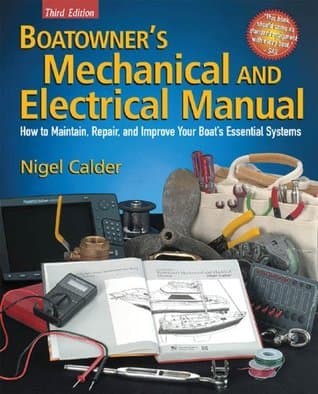
For owners facing balky batteries, mysterious charging faults, or inboard diesel niggles, Nigel Calder’s Boatowner’s Mechanical and Electrical Manual offers a single-volume reference that puts repair and maintenance knowledge at hand. The manual covers battery systems - including charging, maintenance, and troubleshooting - alternators and charging circuits, corrosion and bonding control, inboard diesel basics, fuel systems, cooling, plumbing, wiring, switches and circuit protection, and common diagnostic procedures, all supported by detailed diagrams, stepwise troubleshooting procedures, and practical maintenance checklists.
Start with the hard facts: electrical and mechanical failures are the most common causes of delay and expense in cruising and coastal sailing. Owners who plan to do their own work need reliable schematics and repeatable diagnostics. Calder’s treatment of battery systems and alternator charging circuits helps plan battery-bank upgrades, size charging sources, and chase down parasitic drains before they strand a boat. His chapters on corrosion and bonding control translate into concrete checks for thru-hulls, zinc placement, and common-rail corrosion risks that affect both safety and electronics longevity.
Mechanically, the manual’s inboard diesel basics and fuel-system sections serve as an engine-room playbook. Practical illustrations for cooling, plumbing, and fuel filtration guide routine maintenance and refit tasks, while wiring, switches, and circuit protection chapters provide the wiring diagrams and component-level advice needed to sort out shore-power problems, blown breakers, or poorly routed DC runs. The book’s stepwise troubleshooting procedures supply methodical approaches that reduce guesswork during a shakedown cruise or in a soggy bilge at midnight.
Community workshops, club maintenance nights, and small boatyards will find immediate value. Use the diagrams to explain jobs to a crew or a volunteer, follow the checklists to prepare for haul-out, and apply the diagnostic routines to shorten time in the yard. The manual is practical for weekend projects and full refits alike: dealers and yards may bill for time, but the manual helps owners scope work, prepare parts lists, and verify contractor proposals.
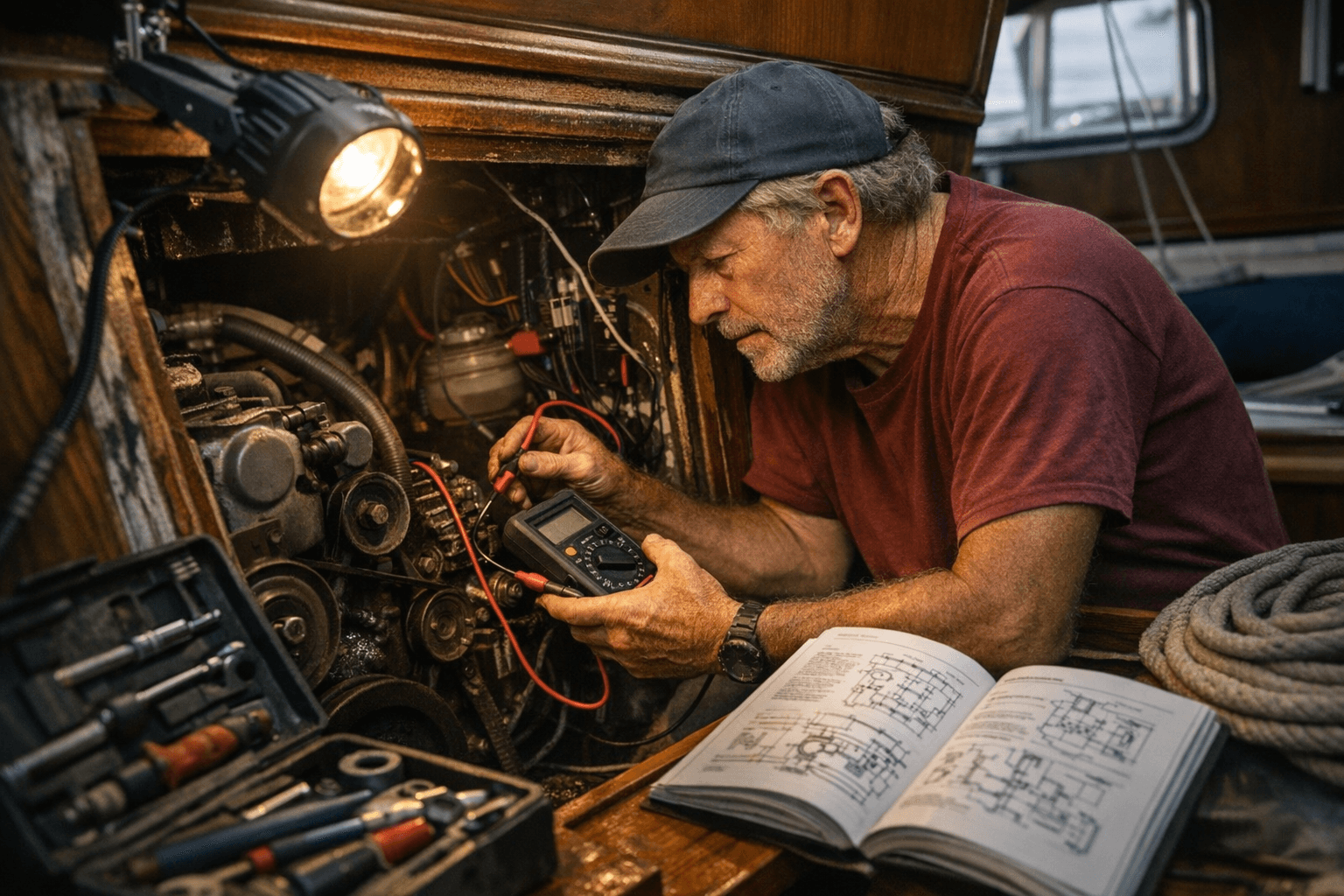
For planning and execution, consult the manual’s relevant chapter before you crack an inspection panel. Cross-reference the maintenance checklists with your logbook and use the troubleshooting sequences when isolating faults rather than replacing parts on faith. Calder’s one-volume approach is especially useful for owner-operators who want to reduce downtime, contain costs, and improve safety through a disciplined maintenance regime.
What this means for readers is straightforward: armed with the manual’s diagrams and procedures, you can approach battery and charging issues, basic diesel service, corrosion control, and electrical protection with greater confidence. Start by matching the manual’s checklists to your next pre-departure inspection or refit task and let the stepwise diagnostics guide repairs so you spend more time sailing and less time guessing.
This article was produced by Prism’s automated news system from verified source data, official records, and press releases, then run through automated quality and moderation checks before publishing. The system is built and supervised by the people who set the standards it runs under. Read our full AI policy.
Did this article answer your question?


