Ofcom to phase out legacy MOB AIS devices, Class M required after 2030
Buy the wrong MOB AIS beacon now and it could be obsolete before the battery dies. Ofcom’s 2030 cutoff makes Class M and DSC on Channel 70 the labels to check before you spend.
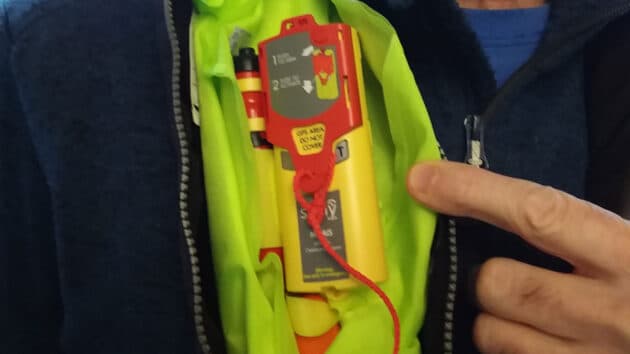
If you are replacing a man-overboard beacon this season, the cheapest AIS-only model on the shelf may be the most expensive mistake on your boat. Ofcom published a consultation on 25 March 2026 that would remove authorization for AMRD Group B and non-Class M MOB AIS devices on AIS1 and AIS2 at the end of the transition period, approximately early 2030, which means a fresh purchase could age into obsolescence long before the gear itself wears out.
The label to check now is Class M. Future-authorized MOB devices must incorporate digital selective calling on Channel 70, so an AIS-only unit without DSC is already a legacy buy even if it still powers on. That matters when you are fitting lifejackets for offshore passages, carrying a personal locator for a crew member, or replacing a beacon that looks new enough to trust for years. If the box, manual or compliance plate does not clearly show Class M and DSC on Channel 70, you are looking at kit that will not meet the newer standard.
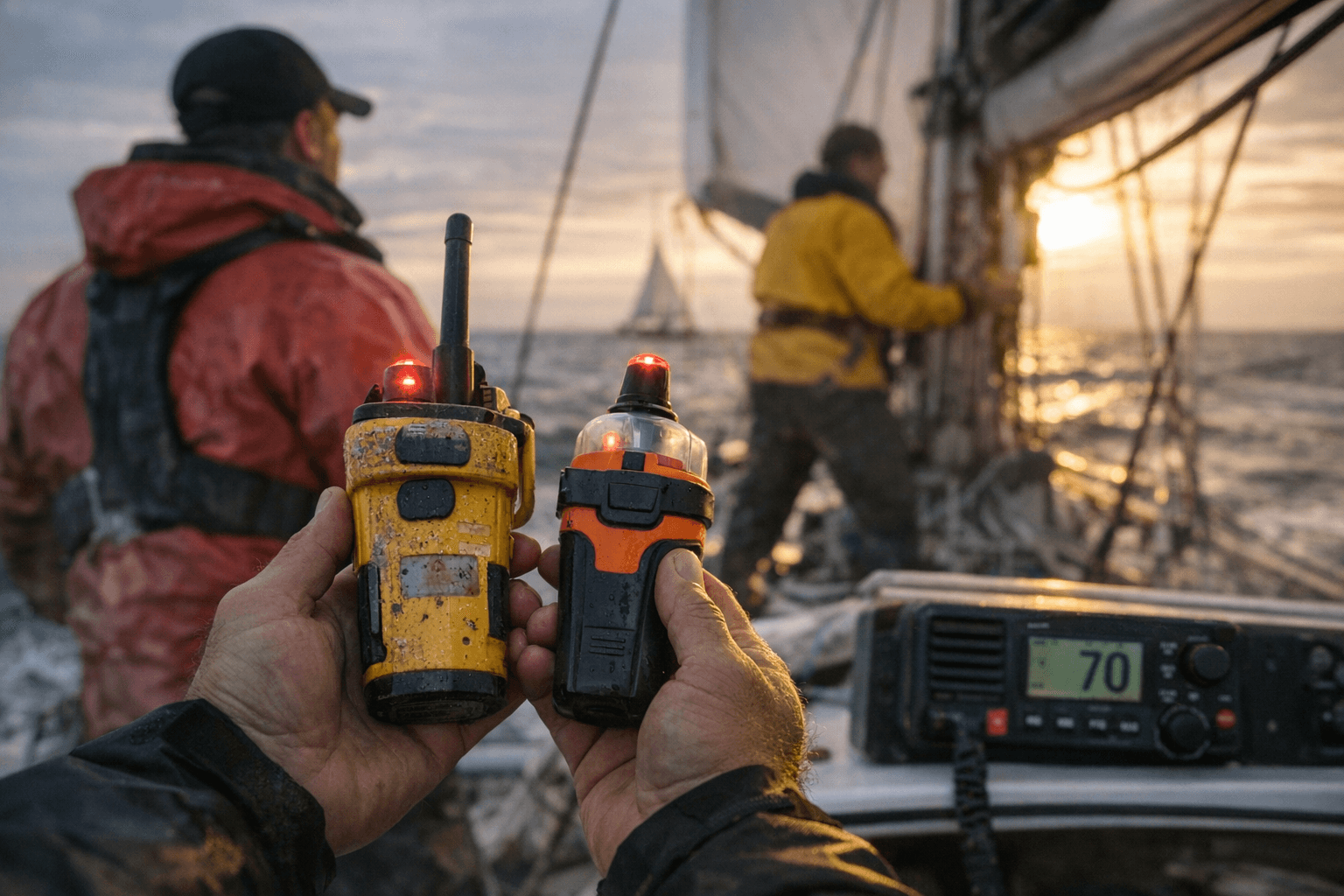
Ofcom’s plan fits a wider European shift. The European Conference of Postal and Telecommunications Administrations adopted Decision ECC/DEC/(22)02 in 2022 to regulate Autonomous Maritime Radio Devices, and industry explanations link the change to congestion on AIS channels from non-distress transmitters such as fish-net markers, pot buoys and other off-vessel devices. British Marine said the consultation is meant to align UK maritime spectrum licences with modern international standards and keep vessels interoperable internationally.
The practical deadline risk is real because many existing MOB devices have battery lives of only a few years. Practical Boat Owner reported that people who already have non-Class M devices on their licence can keep using them until 2030, but the same reporting warned that legacy AIS-only MOB units may still function after that date while becoming less effective in countries that restrict non-Class M devices. In other words, a beacon can still work technically and still be the wrong choice for the sailing you plan to do.
The hidden cost shows up fast. One reader, Mark Taylor, spent about £440 on two non-DSC devices for his lifejackets before learning of the rule change. That is the real lesson for sailors refitting safety gear now: buy for the standard that will still be acceptable when the battery runs out, not just for the cheapest immediate fix.
This article was produced by Prism’s automated news system from verified source data, official records, and press releases, then run through automated quality and moderation checks before publishing. The system is built and supervised by the people who set the standards it runs under. Read our full AI policy.
Did this article answer your question?