Raven Sets Lanzarote-to-Antigua Monohull Record, Highlights DIY Prep Essentials
Raven, a 34‑metre Baltic 111 skippered by Damien Durchon, took monohull line honours and set a new Lanzarote‑to‑Antigua monohull record in the RORC Transatlantic Race.
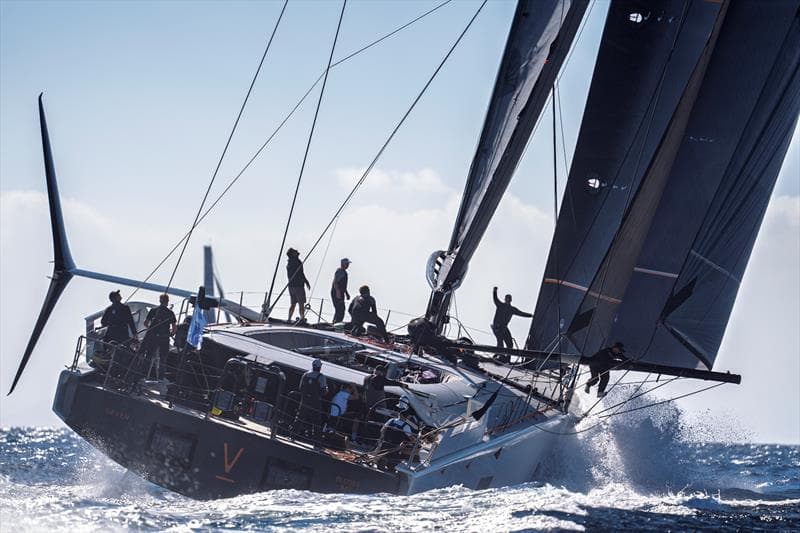
Raven crossed the finish to claim monohull line honours and rewrite the Lanzarote‑to‑Antigua benchmark, completing the passage in 6 days, 22 hours, 27 minutes, 47 seconds. The 34‑metre Baltic 111, sailed by a professional maxi crew under skipper Damien Durchon, also picked up the IMA Trophy as the first maxi to finish, turning a performance result into a practical case study for anyone preparing for long offshore legs.
Raven’s pace on the Atlantic beat is a reminder that top‑end passage times come from more than raw sail area and carbon foils. The boat’s result arrived after intensive preparation, and the race itself highlighted the operational demands of transatlantic sailing. The event produced multihull line honours and confirmed class winners across divisions, while fleet tracking and race management remained active throughout the leg. Race organisers also dealt with a serious incident aboard Walross 4, underscoring the ever‑present safety stakes on ocean passages.
For cruisers, refitters, and rally organisers, Raven’s campaign reinforces specific, actionable prep priorities. Deck systems and running rigging require inspection to the tolerance levels expected on a maxi: check halyard terminations, swage sleeves, toggle fittings, and chafe points on leads and sheaves. Winch service and hydraulics must be routine items - stripped, greased, and tested under load - and spare winch pawls, seals, and hydraulic hoses staged with clear labelling. Through‑hulls and seacocks deserve a pre‑departure full exercise to confirm operation and spare packing materials on board; a simple seized seacock or leaking skin fitting can stop a passage faster than a sail failure.

Electrical and communications redundancy paid off fleet‑wide. Confirm battery bank capacity, test alternator output and charging regulators, and inspect cable runs and main battery isolators. Verify SSB or satellite comms, AIS, and handheld VHF functionality, and carry known‑good spare antennas and coax terminations. Consumable spares matter: impellers, fuel and water filters, alternator belts, and OEM‑compatible fuses and relays are cheap insurance compared with a diversion. Log a procurement plan with local vendors at departure ports for items that cannot be reasonably stowed.
Raven’s record is both a headline and a classroom. Damien Durchon’s maxi showed what disciplined maintenance, spares planning, and systems redundancy deliver when combined with fast boat work and weather strategy. For anyone prepping a cruising boat or a one‑off refit for an extended passage, translate those lessons into a pre‑departure checklist, staged spare kit, and an operational drill plan for the crew. The next transatlantic will be another test; use Raven’s performance to tighten routines before you head offshore.
This article was produced by Prism’s automated news system from verified source data, official records, and press releases, then run through automated quality and moderation checks before publishing. The system is built and supervised by the people who set the standards it runs under. Read our full AI policy.
Did this article answer your question?