Remote Mechanic Coaches Cruisers to Reseat Separated Beta Gear Housing
A remote mechanic coached cruisers to reseat a separated Beta reverse-gear housing in the Sea of Cortez, preventing further damage and highlighting why basic prep and photos matter offshore.
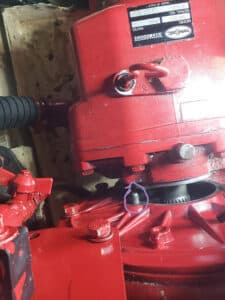
A cruising couple anchored in a remote cove of the Sea of Cortez discovered their Beta marine diesel’s reverse-gear housing had worked free and drifted about an inch aft when mounting bolts backed out. With no yard available, marine mechanic Meredith Anderson of Madame Diesel, LLC guided the owners remotely on January 21, 2026, using photos and step-by-step instructions to lift, reseat, and secure the adapter plate and gear housing.
The problem began as a classic driveline fastener failure: a set of mounting bolts gradually backed out, allowing the gear housing to move enough to compromise the seal and alignment. The owners were able to send clear, focused photos of the bellhousing, adapter plate, and surrounding mounts. Anderson diagnosed the situation from images and instructed them to raise the engine slightly on its mounts, remove and reseat the adapter plate and gear housing, and verify and lock all fasteners. The repair restored correct alignment without needing to haul out or wait for a mechanic to reach the anchorage.
This incident underscores the practical payoff of pre-trip preparation. The cruisers had basic lifting tools on board, including a bottle jack and jack blocks, sealing supplies, and spare fasteners. They also had taken photos and labeled critical assemblies before departure, which made remote diagnosis possible. Those elements turned a potentially disabling failure into a manageable repair at anchor.
For sailors who expect to spend time beyond easy reach of marinas, the takeaways are specific. Verify torque and fastener checks for driveline hardware on your maintenance list. Carry basic engine sealing supplies and lifting tools such as a bottle jack and jack blocks. Photograph and label critical assemblies so you can send clear images for remote troubleshooting. Use Loctite or other locking fasteners where appropriate and re-check hardware after heavy vibration or long passages.

Meredith Anderson’s remote coaching is not a substitute for certified service when it’s available, but it demonstrated how prepared owners can bridge the gap in remote situations. Resecuring an adapter plate and reseating a gear housing are not trivial tasks, but with correct photos, basic tools, and clear guidance owners can stabilize propulsion and continue their cruise safely.
This episode should prompt owners to build a short, engine-specific checklist before leaving protected waters: photograph assemblies, pack lifting gear and locking fasteners, and schedule regular torque checks. Doing so increases the odds that a seaside hiccup stays a story about seamanship, not a salvage bill.
This article was produced by Prism’s automated news system from verified source data, official records, and press releases, then run through automated quality and moderation checks before publishing. The system is built and supervised by the people who set the standards it runs under. Read our full AI policy.
Did this article answer your question?