Spring boat prep safety checks, gear inspections that matter most at sea
Dead batteries, corroded gear, and expired flares can turn a launch into a rescue call. The Coast Guard’s latest numbers show why this is the spring check that matters most.
The checks that keep you from getting stranded
Dead batteries, corroded terminals, and a tired piece of safety gear are the quiet failures that ruin a first sail fast. The Coast Guard’s 2024 recreational boating report counted 556 fatalities, 3,887 incidents, and 2,170 nonfatal injuries, so spring prep is not about polishing the boat, it is about making sure the systems that protect you will actually work when the day goes sideways.
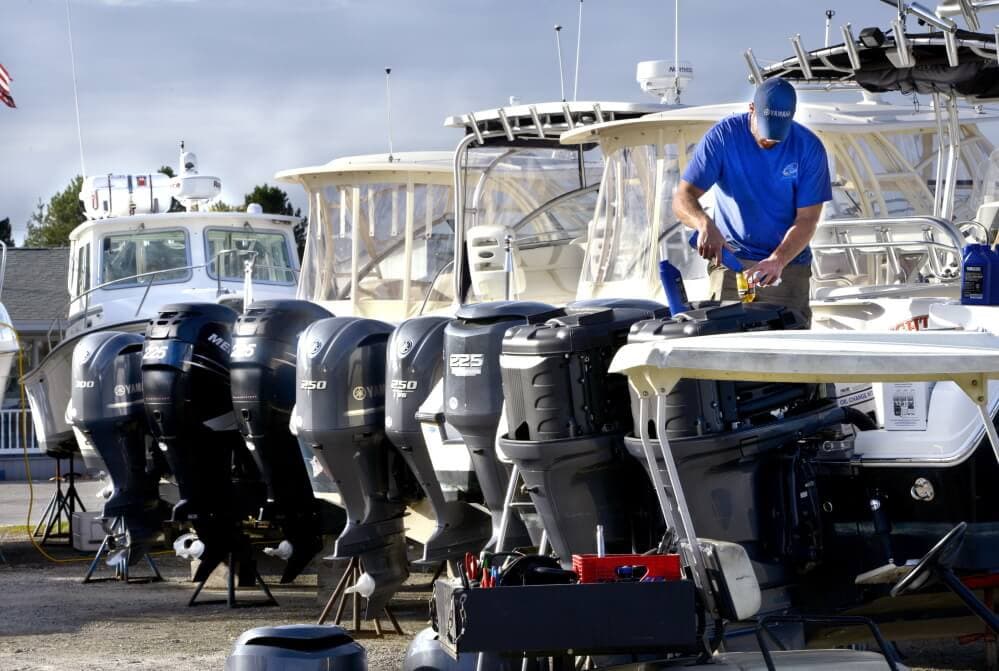
The smartest time to catch trouble is while the boat is still on the hard. That is when you can spot problems above and below the waterline, deal with a sticky steering issue, trace a fuel leak, inspect rigging, and check seacocks before the boat goes back into service. Once the boat is afloat, the margin for error shrinks fast.
Start with the gear that has to work every time
The Coast Guard’s federal requirements guide is clear on one key point: required recreational-boat equipment must be U.S. Coast Guard approved or certified. That means the question is not just whether the gear is on board, but whether it is the right gear, in date, and ready to use.
For your safety kit, focus first on the items that fail most often when they sit untouched through winter:
- Personal flotation devices should be checked for wear, mildew, broken straps, missing buckles, and damage that makes them untrustworthy in the water.
- Visual distress signals, including flares, need to be in date and stored where they can be reached quickly. BoatUS says pyrotechnic flares expire 42 months after manufacture.
- Fire extinguishers should be full, in date, and easy to grab, not buried under gear.
- Sound-producing devices have to work, not just be present. A dead whistle or seized horn is no help in a tight channel or fog bank.
The rulebook also depends on boat length. Vessels of 12 meters or more need a whistle; vessels of 20 meters or more need a bell in addition to a whistle; and vessels of 100 meters or more must also carry a gong. Boats under 12 meters are not required to carry those Rule 33 sound devices, but they still need some other efficient way to make a sound signal.
Batteries are where spring prep often falls apart
If a piece of safety gear runs on a battery, treat it like a consumable, not a forgotten accessory. Old batteries left in flashlights, GPS units, signaling devices, wireless fobs, and wrist-worn remotes can leak, corrode, and ruin equipment right when you need it most. BoatUS specifically advises putting fresh batteries in wireless fobs or wrist-worn devices during commissioning, and that kind of small reset often pays off more than a long afternoon of cosmetic work.
This is also where a lot of owners confuse “it was fine last season” with “it is ready now.” Batteries self-discharge, corrosion creeps across terminals, and winter storage can quietly disable gear that looked perfect when you put it away. If you find white crust on a terminal or a battery compartment that smells wrong, treat it as a repair issue, not a cleanup task.
Communications gear deserves a real test, not a glance
A handheld radio that powers on is not the same thing as a communications system you can trust offshore. The spring check should include handheld and fixed radios, because antenna corrosion and winter storage can quietly break the link even when the set itself still lights up. If you are depending on a radio to reach another boat, a bridge, or a rescue coordinator, the antenna and connections matter as much as the box.
EPIRBs deserve special attention. Federal rules require testing immediately after installation and at least once each month thereafter, unless the EPIRB is installed in a Coast Guard-approved inflatable liferaft that is tested annually during liferaft servicing. The test has to follow the manufacturer’s instructions and use the device’s visual or audio indicator, and the battery must be replaced before the expiration date marked on the battery. That is not optional maintenance, it is the difference between a beacon and a dead box.
Why the life jacket check is not the boring part
The Coast Guard’s 2024 report puts the safety picture in plain numbers. Alcohol was the leading known contributing factor in fatal boating accidents, accounting for 92 deaths, or 20% of total fatalities. Drowning accounted for three-quarters of deaths, and 87% of victims were not wearing life jackets. That is the part of spring prep that should stop you in your tracks, because the most common survival gear on the boat still saves lives only if it is worn.
The report’s numbers also cover incidents involving death, disappearance, injury beyond first aid, vessel damage, or other property damage of at least $2,000, or a total loss of vessel. In other words, this is not a narrow snapshot of dramatic disasters. It is the broad, practical picture of what goes wrong on the water when equipment, judgment, or preparation breaks down.
What can wait, and what cannot
If you are short on time, separate the true safety fixes from the work that can wait until after launch. Immediate attention should go to any dead batteries, corroded electrical connections, missing or expired flares, questionable PFDs, unserviced extinguishers, failed sound devices, radio problems, and anything suspicious in steering, fuel, rigging, or seacocks. Those are the items that can strand you, expose you to fire, or leave you unable to call for help.
Cosmetic jobs, minor upholstery work, and nonessential upgrades can wait a little longer. The boat is not ready until the gear that buys you time, visibility, flotation, and a distress signal is actually operational. Minimum compliance is only the floor; a usable boat is one where every critical item has been touched, tested, and confirmed.
A fast outside check is worth more than a long guess
If you want another set of eyes before launch, the Coast Guard Auxiliary offers a Vessel Safety Check that usually takes 15 to 30 minutes and is free. That quick pass is built to catch missing or out-of-date safety gear before it becomes a problem on the water, and it lines up neatly with the run-up to National Safe Boating Week, which runs May 16 to May 22, 2026.
That is the real spring filter: inspect the systems that keep you afloat, keep you seen, and keep you talking if the day turns bad. Everything else is secondary until those basics are solid.
This article was produced by Prism’s automated news system from verified source data, official records, and press releases, then run through automated quality and moderation checks before publishing. The system is built and supervised by the people who set the standards it runs under. Read our full AI policy.
Did this article answer your question?